
Years of ignored warnings on unsafe drinking water preceded Indore deaths, audits reveal
Long before the Indore water contamination tragedy sparked outrage and claimed at least 10 lives, official audits had repeatedly flagged serious risks from contaminated drinking...
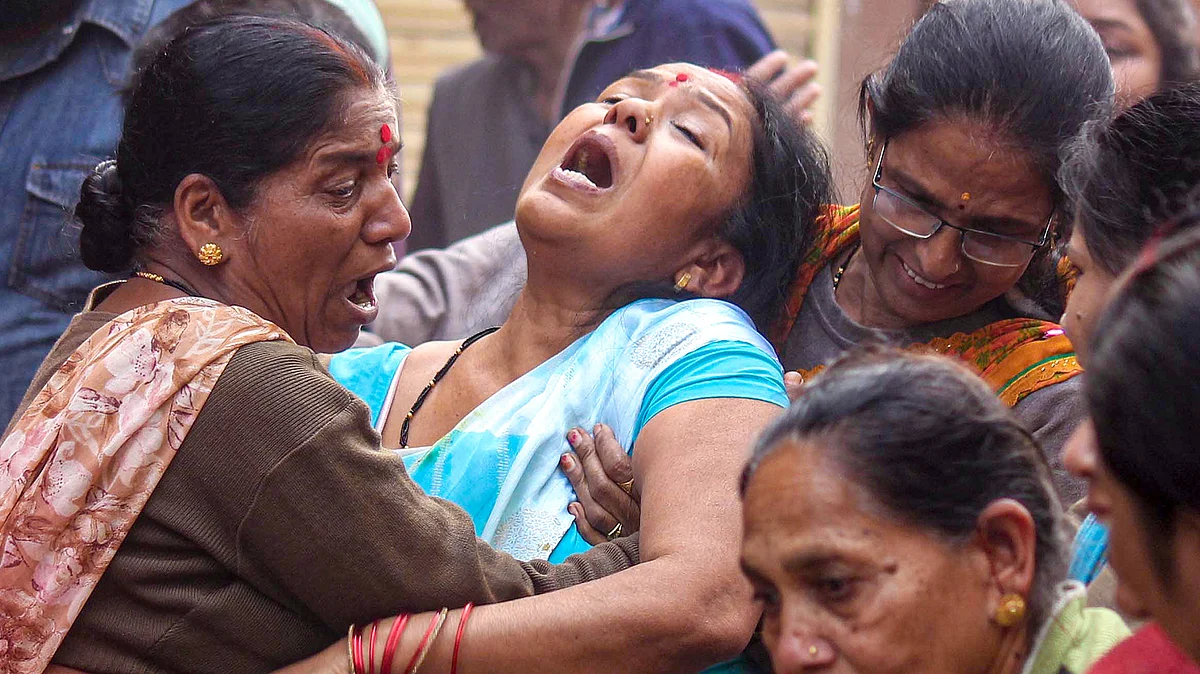
Long before the Indore water contamination tragedy sparked outrage and claimed at least 10 lives, official audits had repeatedly flagged serious risks from contaminated drinking water across Madhya Pradesh, particularly in Bhopal and Indore.
Audit findings show that systemic failures in water testing and monitoring allowed unsafe supply to continue for years, despite clear red flags from regulators and independent laboratories.
5.45 lakh disease cases raised early alarm
In its “Audit Report on General and Social Sectors for the year ended 31 March 2018”, the Comptroller and Auditor General (CAG) reported that 5.45 lakh cases of water-borne diseases were recorded within Bhopal Municipal Corporation (BMC) and Indore Municipal Corporation (IMC) areas between 2013 and 2018.
The auditor warned that the possibility of contaminated water being supplied by municipal bodies could not be ruled out, pointing to chronic lapses in oversight and testing.
Joint water testing exposed contamination
To verify conditions on the ground, the CAG conducted joint water sampling during August–September 2018 along with officials from BMC and IMC.
A total of 54 samples were collected from water sources, filtration plants, overhead tanks, and consumer taps, and tested independently at the State Research Laboratory, Bhopal.
The results were alarming.
-
In Bhopal, turbidity levels exceeded Bureau of Indian Standards norms in several samples.
-
Faecal coliform bacteria, which must be zero in safe drinking water, was detected in multiple locations.
-
In Indore, faecal coliform counts ranged from 40 to 140, far beyond permissible limits.
Nearly 9 lakh people potentially exposed
Based on the findings, auditors estimated that 8.95 lakh residents were likely affected by contaminated water supply. This included 3.62 lakh people in Bhopal and 5.33 lakh in Indore.
The CAG attributed the risk to lack of monitoring at filtration plants and failures across the distribution network, calling it a structural governance problem rather than an isolated lapse.
2022 audit showed little improvement
Concerns resurfaced in the “Audit Report on Local Bodies for the year ended 31 March 2022”, which revealed that 7 out of 14 urban local bodies audited did not even have water testing laboratories.
The report noted that water quality tests were irregular, and civic bodies failed to follow minimum sampling frequencies mandated under the CPHEEO manual.
The audit issued a stark warning that <u>serious health consequences from supplying water without regular testing cannot be ruled out</u>.
Civil society seeks urgent intervention
Following the Indore tragedy, public health advocacy group Jan Swastha Abhiyan wrote to the Madhya Pradesh Chief Secretary and the Union Ministry of Jal Shakti, citing repeated audit findings.
The organisation demanded <u>immediate corrective action, strict accountability, and strengthened monitoring of urban water systems</u>, warning that delays could trigger similar crises elsewhere in the state.
Why this matters now
The revelations highlight how long-standing audit warnings went unaddressed, turning preventable risks into loss of life. With urban populations expanding and water infrastructure under strain, experts say regular testing, transparent reporting, and enforcement of standards are no longer optional.
Public health specialists warn that without urgent reform, water-borne disease outbreaks could rise, affecting healthcare systems, productivity, and public trust.