
Xi Jinping Urges APEC Nations to Strengthen Multilateral Trade, Build Inclusive Growth
At the APEC summit in South Korea, the Chinese President called for deeper cooperation to safeguard global trade, stabilize supply chains, and promote digital and...
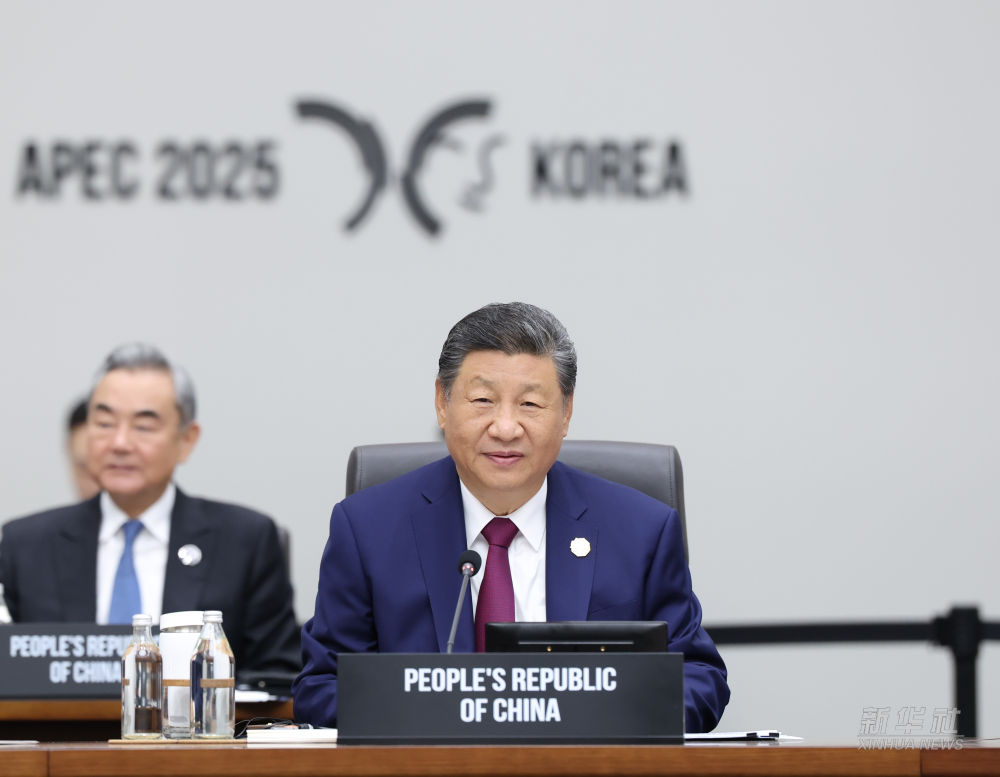
At the APEC summit in South Korea, the Chinese President called for deeper cooperation to safeguard global trade, stabilize supply chains, and promote digital and green development.
Xi Calls for “True Multilateralism”
Chinese President Xi Jinping on Friday urged Asia-Pacific Economic Cooperation (APEC) members to unite in protecting the global multilateral trading system and promoting inclusive economic growth.
Speaking at the 32nd APEC Economic Leaders’ Meeting in Gyeongju, Republic of Korea, Xi said the world must “practice true multilateralism” and reinforce the World Trade Organization (WTO) as the cornerstone of international trade.
“We must enhance the authority and effectiveness of the multilateral trading system,” Xi said, emphasizing that cooperation — not division — should guide the region’s economic future.
The meeting, hosted by South Korean President Lee Jae-myung, is being held under the theme “Building a Sustainable Tomorrow.” Leaders from 21 Pacific Rim economies are participating, seeking to strengthen regional collaboration amid slowing global growth and mounting geopolitical tensions.
Five-Point Vision for Shared Prosperity
In his address, Xi outlined a five-point plan for advancing what he described as “universally beneficial and inclusive economic globalization.”
His proposal called for:
-
Safeguarding the multilateral trading system centered on the WTO.
-
Fostering an open and fair regional economy to promote free and secure trade.
-
Ensuring the stability of industrial and supply chains amid global disruptions.
-
Accelerating digital and green transformation to modernize trade and manufacturing.
-
Promoting inclusive development so that growth benefits all societies, not just a few.
“We must join hands rather than part ways, and strengthen our links rather than sever them,” Xi said, urging economies to “expand common interests and advance open supply chain development.”
China Reaffirms Commitment to Opening Up
Highlighting China’s economic resilience, Xi noted that over the past five years, the country has remained the world’s largest trader in goods and the second-largest in services. He said China has attracted more than $700 billion in foreign investment during that period, while outbound investment has grown by over five percent annually.
Xi also pointed to Beijing’s efforts to broaden access for foreign investors — including a shortened negative investment list, expanded visa-free policies, and 22 pilot free trade zones aligning with “high-standard international rules.”
“China’s door to the world will not close; it will only open wider and wider,” he said, reaffirming Beijing’s long-term commitment to economic openness.
Regional Context
APEC, established in 1989, now represents around 60% of global GDP and half of world trade, making it one of the most influential economic forums in the Asia-Pacific. The 2025 summit comes at a pivotal time, as member economies grapple with uneven post-pandemic recoveries, supply chain disruptions, and the growing challenges of climate change and digital transformation.
This year’s meeting in Gyeongju marks the first in-person gathering of APEC leaders in South Korea since 2005 and is expected to set the tone for regional economic cooperation heading into 2026.