
Women's Quota Bill Tabled: Parliament Debates 33% Reservation Amid Delimitation Concerns
Parliament debates historic bill reserving 33% of seats for women.
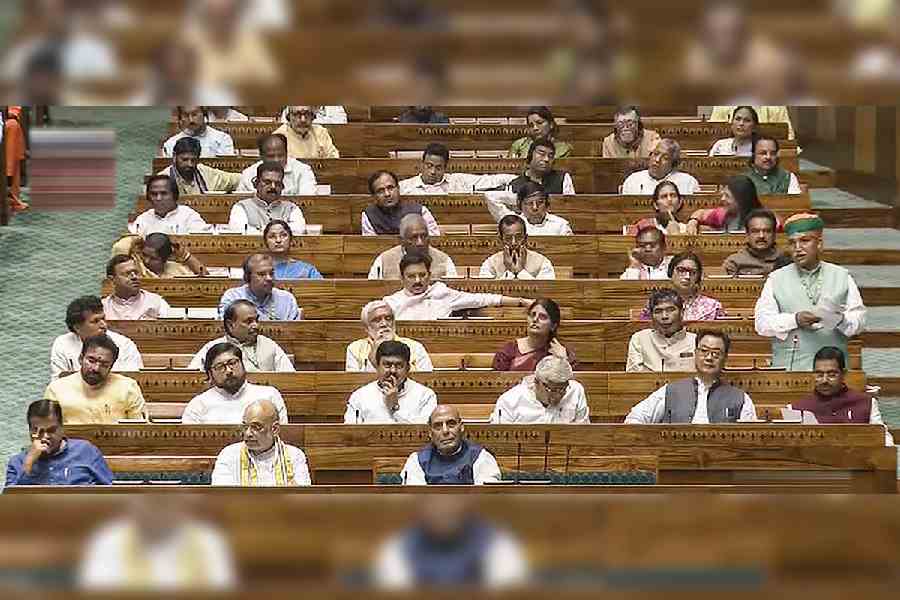
Top Summary
- What happened: The Centre tabled the Nari Shakti Vandan Adhiniyam, seeking 33% women's quota in legislatures, alongside a Delimitation Bill.
- Why it matters: This could fundamentally alter the composition of Parliament and state assemblies, potentially empowering women in politics.
- What changes for people: If passed, one-third of seats in the Lok Sabha and state assemblies would be reserved for women, likely after the 2027 Census delimitation.
- Who is affected: Women across India, political parties, and states with varying population growth rates are all affected.
Historic Bills Introduced Amidst Opposition
The Nari Shakti Vandan Adhiniyam, officially the Women's Reservation Bill, aims to reserve 33% of seats in the Lok Sabha and state legislative assemblies for women.
Law Minister Arjun Ram Meghwal introduced the Constitution (One Hundred and Thirty-First Amendment) Bill and the Delimitation Bill 2026.
Home Minister Amit Shah proposed introducing the Union Territories Laws (Amendment) Bill, 2026.
Congress MP KC Venugopal voiced strong opposition, alleging an attempt to alter the constitutional fabric.
Lok Sabha Speaker assured the Opposition ample time to present objections during a full-fledged debate.
Details of the Women's Reservation Bill
The proposed changes could significantly expand the Lok Sabha from its current 543 seats to 850.
Approximately 283 seats would be reserved for women.
The quota would take effect after the delimitation exercise based on the 2027 Census, potentially delaying its implementation until 2034.
The Delimitation Dilemma
Delimitation involves redrawing constituencies based on population, mandated by Article 82 of the Constitution after each census.
The government aims to reserve 33% of seats for women in the 2029 general elections without changing the proportion of seats per state.
A Delimitation Commission, headed by a former Supreme Court judge, will be formed.
Opposition's Concerns and a North-South Divide
The Opposition supports the women's quota but opposes linking it to delimitation before the 2029 Lok Sabha elections.
Congress MP Jairam Ramesh stated:
Three Bills are being taken up in the Lok Sabha. The packaging and marketing is women’s reservation, but the fundamentals have to do with delimitation.
He added that the "true intent of these Bills is mischievous, their content devious, and their damage enormous."
The opposition demands reserving one-third of the current 543 Lok Sabha seats for women, with quotas for SC, ST, and OBC women.
Tamil Nadu CM MK Stalin protested the Delimitation Bill, fearing reduced representation for southern states.
Government's Stance and Number Game
The government insists the Women's Reservation Bill is balanced and addresses concerns from every state and community.
Union Minister Kiren Rijiju said:
But after giving 33% reservation, history will be made. India will set an example for the entire world on how big a step we are taking for women, and there should be no opposition to this.
He also dismissed rumors about delimitation harming any region.
Constitutional amendment Bills require a two-thirds majority.
In the Lok Sabha, that's 360 votes. The NDA has 293.
In the Rajya Sabha, the magic number is 163, while the NDA has 142-plus members.
Rijiju maintains that there is broad support for women's reservation in principle.
What to Watch Next
Parliamentary debates will continue, focusing on the specifics of the Delimitation Bill and its potential impact on different states.
The government will likely seek to build consensus to secure the necessary two-thirds majority in both houses.