
Winter Health Alert: Rising Risk of Chilblains in Cold Weather, Women More Vulnerable
What happened: Doctors are warning of a sharp rise in chilblains cases during intense cold, especially affecting fingers and toes. Why it matters now: Dropping...
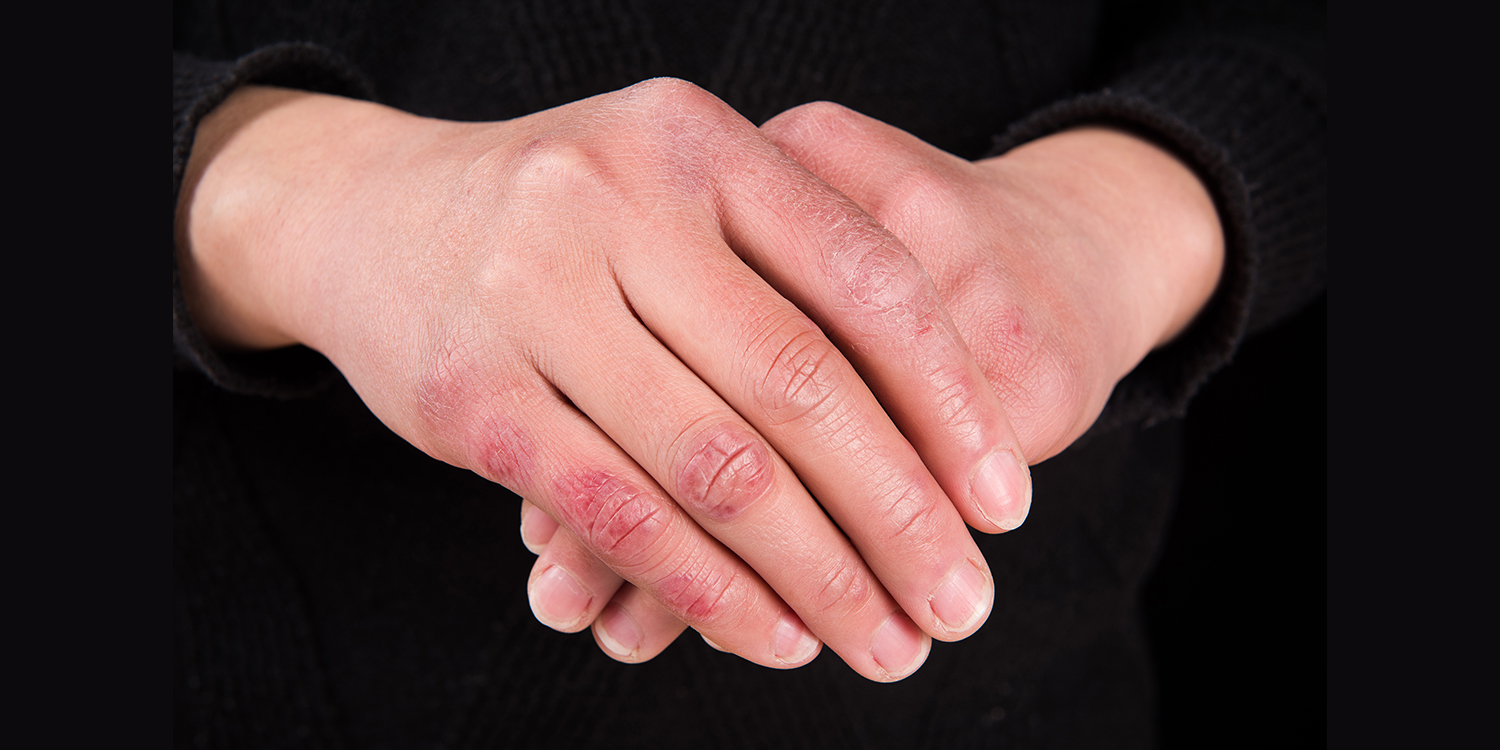
What happened: Doctors are warning of a sharp rise in chilblains cases during intense cold, especially affecting fingers and toes.
Why it matters now: Dropping temperatures and cold waves increase skin inflammation and circulation problems.
What changes for people: Ignoring early symptoms can lead to pain, swelling, itching, and skin damage.
Who is affected: Women, children, the elderly, and people exposed to cold for long hours.
What are chilblains and why they increase in winter
Chilblains are a cold-induced skin condition that occurs when small blood vessels react abnormally to low temperatures. Doctors explain that sudden exposure to cold causes inflammation, leading to redness, swelling, itching, and burning pain, most commonly in fingers, toes, ears, and nose.
During winter, especially amid cold waves and damp conditions, the risk rises significantly.
Why women face higher risk
Medical experts say women are more prone to chilblains due to:
Lower peripheral blood circulation
Hormonal factors
Frequent exposure to cold water and low temperatures
People with low body weight, anemia, or circulation-related issues are also at higher risk.
Early warning signs you should not ignore
Doctors advise watching out for:
Red or bluish patches on fingers or toes
Persistent itching or burning sensation
Swelling and tenderness
Skin cracks or blisters in severe cases
If left untreated, chilblains can worsen and lead to infections or skin ulcers.
How to protect yourself from chilblains
Health experts recommend simple but effective preventive steps:
Keep hands and feet warm using gloves and woollen socks
Avoid sudden exposure to extreme cold
Do not rub or massage cold skin aggressively
Moisturise skin regularly to prevent dryness
Maintain good nutrition, especially iron-rich foods
Doctors clearly warn that direct heat exposure like hot water or heaters should be avoided, as it can worsen inflammation.
When to seek medical help
If symptoms persist beyond a few days, become painful, or show signs of infection, consulting a doctor is essential. Treatment may include topical creams and circulation-supporting medication, depending on severity.
Why awareness matters
With winters becoming harsher in many regions, doctors stress that chilblains are not just a minor skin issue, but a condition linked to circulatory health. Early care can prevent long-term discomfort.