
Winter haze pushes Bhopal’s air to ‘severe’ levels as NGT orders probe into worsening pollution
What happened: National Green Tribunal in Bhopal formed a seven-member expert committee to examine rising pollution across eight Madhya Pradesh cities. Why it matters now:...
-
What happened: National Green Tribunal in Bhopal formed a seven-member expert committee to examine rising pollution across eight Madhya Pradesh cities.
-
Why it matters now: Air quality slipped to severe levels this winter, highlighting long-standing regulatory gaps.
-
What changes for people: Possible policy actions, restrictions, and cleanup measures after the committee submits its report.
-
Who is affected: Residents of Bhopal, Indore, Gwalior, Jabalpur, Sagar, Ujjain, Dewas and Singrauli exposed to hazardous fine particulates.
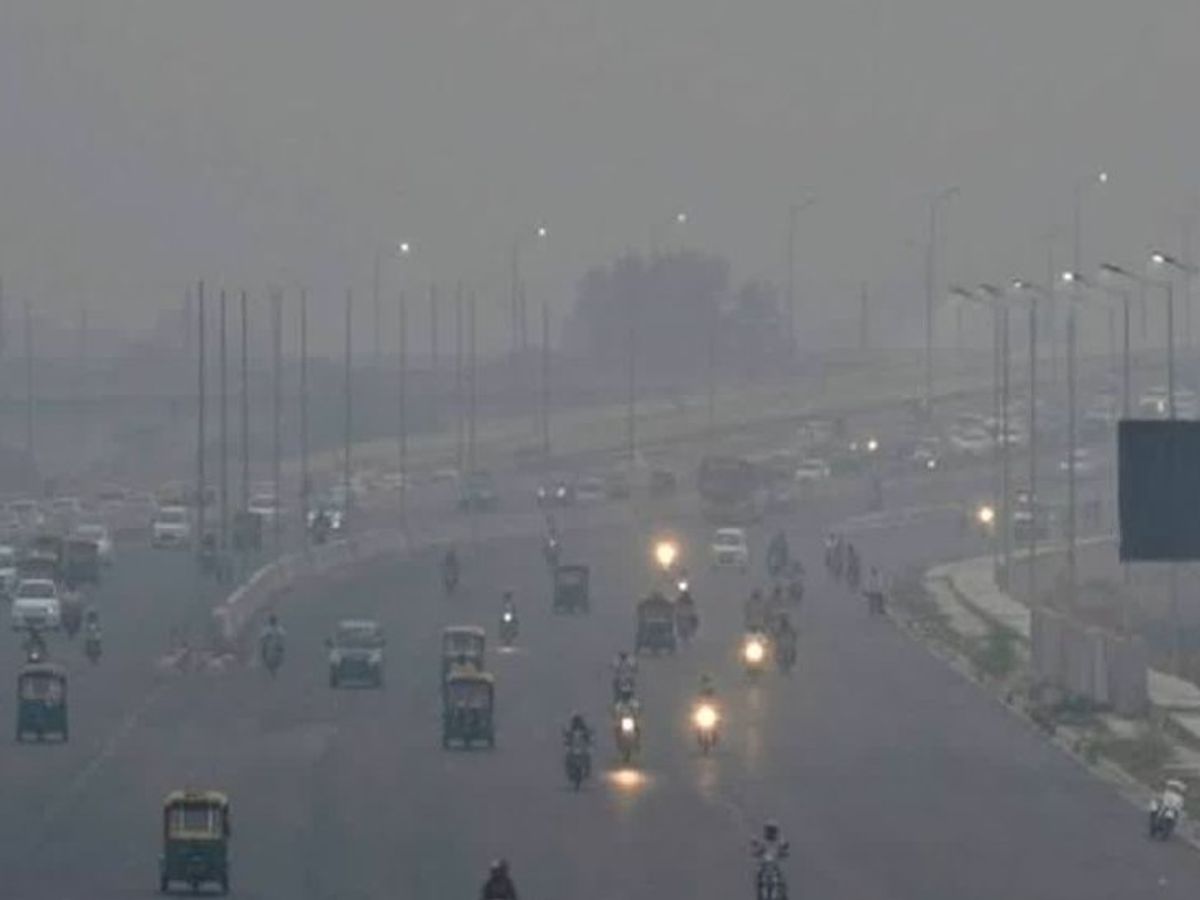
Bhopal’s air quality slipped into the severe category this week amid dense winter haze, prompting the National Green Tribunal (NGT) to underline a formal investigation into why pollution levels are rising across urban Madhya Pradesh.
The tribunal’s central bench in Bhopal has set up a seven-member expert panel to study causes and recommend corrective action, signaling that regulators can no longer ignore the state’s poor air performance.
Rising pollution triggers official action
According to the NGT order issued by judicial member Sheo Kumar Singh and expert member Sudhir Kumar Chaturvedi, the panel will include senior representatives from the state environment department, Environmental Planning and Coordination Organisation, urban development and transport authorities, the Union Ministry of Environment’s regional office, and the Madhya Pradesh Pollution Control Board (MPPCB), in addition to former CPCB official Ravi Prakash Mishra.
The MPPCB has been tasked to provide logistics and collect data, with the committee expected to file a factual and action-taken report within six weeks. The matter will now resume on 18 March. Notices have been sent to the state chief secretary and ten other respondents.
Why the tribunal intervened
The case originated from a petition by environmental activist Rashid Noor Khan, who highlighted chronic violations of National Ambient Air Quality Standards in Bhopal, Indore, Gwalior, Jabalpur, Sagar, Ujjain, Dewas and Singrauli over the past five years under the National Clean Air Programme.
Government datasets cited in the proceedings show that Bhopal’s annual PM10 levels fluctuate between 130 and 190 micrograms per cubic meter, far above the 60 microgram national limit.
Fine particulate PM2.5 concentrations also remain elevated, frequently touching 80 to 100 micrograms, which is more than double the 40 microgram threshold.
Real-time monitoring has recorded Air Quality Index (AQI) levels near 287 by day and above 300 at night, placing the city in the very poor to severe bands during winter.
Experts link causes to vehicles, fires and geography
Advocate Harshwardhan Tiwari, citing submissions and official data, pointed to multiple contributors:
• Exhaust from over 1.3 million registered vehicles, many lacking valid PUC certificates.
• Seasonal crop residue fires in Raisen and Sehore, with more than 31,000 burning incidents reported in early 2025, the highest nationally.
• Dust from unregulated construction, firecracker smoke, open garbage burning near sites like Bhanpur landfill, and industrial emissions.
Specialists also note that Bhopal’s basin-like topography traps pollutants during winter inversion, sharply lowering visibility to under 500 meters and increasing respiratory ailments among vulnerable groups.
Who bears the fallout
The deteriorating air quality is increasingly seen as a public health risk, with doctors in city hospitals reporting a rise in breathing issues, cough, and allergic symptoms among children and elderly residents.
Urban planners warn that prolonged exposure may also affect traffic safety, economic productivity, and the tourism profile of affected cities.
What happens next
The committee’s findings may push the state to underline stricter enforcement, introduce mobility curbs, expand public transport, regulate construction dust, and boost waste management.
Officials have not yet outlined any interim restrictions, indicating that policy outcomes will hinge on the panel’s March submission.
What to watch next
Keep an eye on whether emergency measures activate if AQI remains severe through late winter, and how Madhya Pradesh’s pollution strategy evolves after the March 18 hearing.