
Why Stalin’s letter to Modi on Sri Lanka’s Tamil issue resonates now
• What happened: Tamil Nadu Chief Minister M K Stalin wrote a detailed letter to Prime Minister Narendra Modi urging renewed focus on the future...
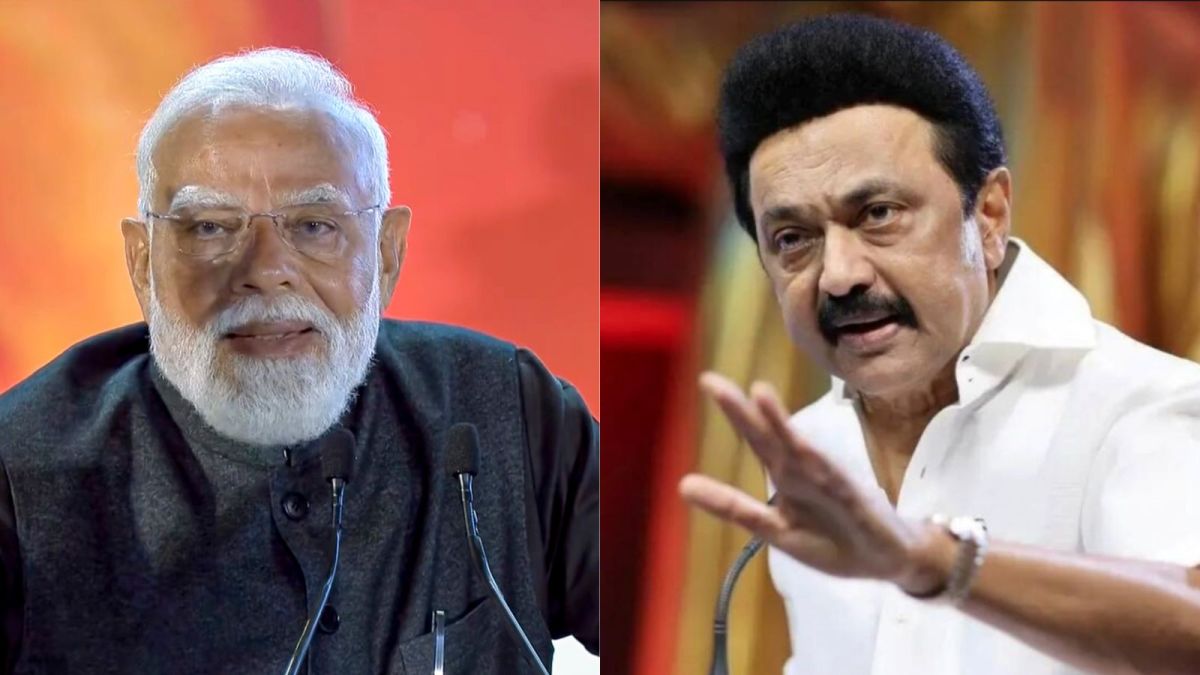
• What happened: Tamil Nadu Chief Minister M K Stalin wrote a detailed letter to Prime Minister Narendra Modi urging renewed focus on the future of Sri Lanka’s Tamil community.
• Why it matters now: The appeal comes amid ongoing concerns about human rights, constitutional reforms, and political inclusion in Sri Lanka.
• What changes for people: Renewed diplomatic attention could influence regional stability and rights protections for ethnic Tamils.
• Who is affected: Tamil populations in Sri Lanka, South Indian communities, Indian diplomatic channels, and policymakers engaged in South Asian affairs.
Tamil Nadu Chief Minister M K Stalin has directly appealed to Prime Minister Narendra Modi to engage India more actively in addressing long-standing challenges facing the Tamil community in Sri Lanka. In a letter shared publicly, Stalin highlighted historical grievances tied to constitutional developments and urged the Indian government to support political and humanitarian avenues for resolution.
The communication arrives at a time when ties between India and Sri Lanka are navigating complex geopolitical and human rights landscapes. For readers in South India and across the region, the exchange underscores how domestic leadership and international diplomacy intersect on issues of ethnic identity and justice.
What Stalin emphasised to the Prime Minister
In his letter, Stalin underscored Sri Lanka’s constitutional history and the impact policies have had on ethnic Tamils. He called for a more proactive Indian role in facilitating discussions that advance political inclusion and accountability. This reflects ongoing concerns voiced by communities on both sides of the Palk Strait who seek recognition and redress for long-standing socio-political challenges.
Stalin’s appeal also comes ahead of renewed diplomatic engagements between India and Sri Lanka this year, suggesting that regional politics may again bring Tamil issues to the fore of official dialogue.
Historical backdrop and why it matters
The Tamil question in Sri Lanka dates back decades, rooted in disputes over language policies, governance, and civil rights. Tamil political leaders in India, especially in Tamil Nadu, have long advocated for Sri Lankan Tamil rights, with recurrent calls for India to leverage its diplomatic influence.
Observers say the renewed push by a state leader signals both domestic political sentiment and broader regional expectations that India should help ensure fair treatment and constitutional recognition for minority communities in neighbouring countries.
Impact on diplomacy and regional stability
Experts in South Asian geopolitics note that India’s engagement with Sri Lanka carries implications for regional security and economic cooperation, especially as Colombo balances relations with global powers including India, China, and Western partners. Any shift in policy emphasis by New Delhi tied to Tamil welfare could recalibrate aspects of bilateral cooperation.
Political analysts say India must navigate its approach carefully to maintain sovereign respect while advocating human rights and constitutional equity.
Perspectives from both sides
While politicians in Tamil Nadu have welcomed Stalin’s initiative, diplomatic sources indicate that New Delhi prefers measured engagement that supports peace and development without overt interference in Sri Lanka’s internal affairs.
Sri Lankan government representatives have historically emphasised sovereignty and constitutional processes in addressing ethnic concerns, a stance that occasionally clashes with external calls for more direct involvement.