
Why Sadhus and Monks Are Lining Up for Voter Hearings in Bengal’s Electoral Roll Revision Drive
As the Election Commission reviews voter lists under a Special Intensive Revision, even ascetics who renounced worldly life are appearing at hearings to secure their...
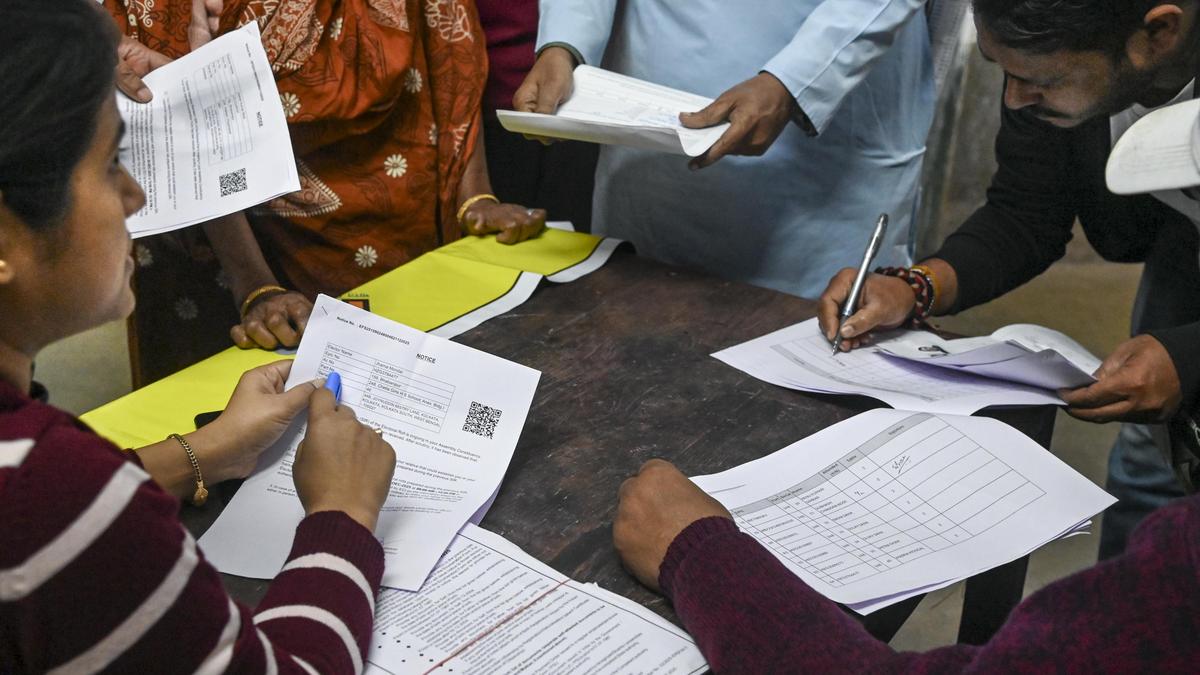
As the Election Commission reviews voter lists under a Special Intensive Revision, even ascetics who renounced worldly life are appearing at hearings to secure their voting rights.
What happened:
-
During West Bengal’s Special Intensive Revision (SIR) of electoral rolls, sadhus, monks, and citizens from various backgrounds are attending hearings to resolve document discrepancies and confirm voter eligibility.
Why it matters now:
-
The revision highlights how stricter verification processes are reshaping electoral participation and raising questions about identity documentation across diverse communities.
What changes for people:
-
Individuals flagged in the voter database must attend hearings and provide proof of eligibility, making documentation and record accuracy more important than ever.
Who is affected:
-
Voters across West Bengal, spiritual communities, political parties, election officials, and citizens whose names are under scrutiny during the revision process.
A surprising sight at electoral hearing queues
Across multiple districts in West Bengal, long lines outside Special Intensive Revision hearings have included not just everyday voters but also ministers, celebrities, and now sadhus and monks.
These ascetics, often known for leaving behind personal possessions and formal identities, are appearing before Election Commission officials to validate their names on electoral rolls.
Officials say the process applies equally to everyone, regardless of profession or lifestyle.
What is the Special Intensive Revision (SIR)?
The Election Commission launched the SIR exercise to identify discrepancies in voter records and ensure electoral rolls remain accurate and transparent.
Individuals flagged for issues — such as mismatched documents or incomplete details — must attend hearings where they present identification and residency proof.
For many spiritual practitioners who travel frequently or live in ashrams, maintaining consistent documentation can be challenging, which explains their growing presence at these queues.
Why monks and sadhus are particularly affected
Unlike most citizens, many ascetics adopt new spiritual names or move between religious centres, which can complicate voter records.
Some may lack conventional address proof or updated identification, increasing the chances of being flagged during verification.
Political observers note that participation by spiritual figures also reflects the importance many attach to maintaining voting rights despite renouncing worldly lifestyles.
Multiple perspectives: administrative necessity or bureaucratic burden?
Election authorities say the revision is essential for maintaining clean electoral rolls and preventing duplication or ineligible entries.
However, critics argue that frequent documentation checks can create hurdles for people with non-traditional lifestyles, including monks, migrant workers, and the elderly.
Supporters counter that a transparent verification process strengthens democratic credibility, especially ahead of major elections.
Impact on governance and electoral processes
The SIR exercise could influence voter turnout patterns and political mobilisation in West Bengal. By requiring personal verification, the Election Commission aims to reduce disputes over voter eligibility and improve trust in election outcomes.
At the same time, the presence of diverse groups — from celebrities to spiritual leaders — highlights how deeply electoral participation is woven into India’s social fabric.