
Why Post-Festive ‘Detox’ Diets May Do More Harm Than Good, Say Nutrition Experts
As holiday celebrations draw to a close, online searches for “detox” surge. Juice cleanses, herbal teas, liquid fasts and short-term resets are widely marketed as...
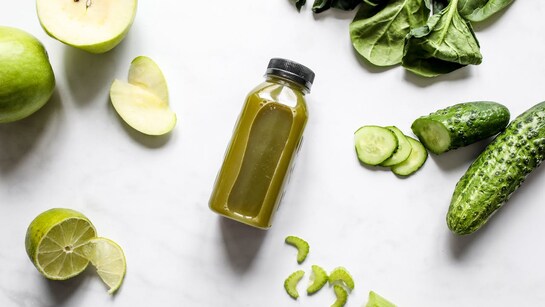
As holiday celebrations draw to a close, online searches for “detox” surge. Juice cleanses, herbal teas, liquid fasts and short-term resets are widely marketed as ways to erase weeks of festive indulgence. But nutrition experts caution that these popular fixes are not only ineffective — they can actively disrupt the body’s natural systems.
Health professionals stress that the human body does not require external detoxification and that extreme post-festival dietary measures often place unnecessary strain on metabolism, digestion and overall health.
“Your Body Is Already Detoxing”
According to Dr Anshu Chaturvedi, Head of the Department of Dietetics at CK Birla Hospitals, Jaipur, the detox industry thrives on misconceptions rather than medical science.
She explains that the liver, kidneys, gastrointestinal tract, lungs and skin work continuously to eliminate waste and harmful substances.
“There is no scientific basis for the idea that ‘festival toxins’ accumulate and need to be flushed out,” Dr Chaturvedi says. “If the body’s detox organs are functioning normally, they don’t need assistance from teas, juices or fasting regimes.”
She adds that if these organs are not working properly, no commercial detox product can replace medical care.
Extreme Restriction Can Backfire
One of the most common features of detox plans is severe calorie restriction — often through liquid-only diets or prolonged fasting.
“Such approaches deprive the body of essential nutrients at a time when balance is needed,” Dr Chaturvedi explains. “This can lead to muscle loss, fatigue, dizziness, poor concentration and a slower metabolic rate.”
Ironically, she notes, this metabolic slowdown makes weight regain more likely once normal eating resumes — sometimes resulting in increased fat accumulation rather than fat loss.
Dehydration and Electrolyte Risks
Many detox teas and cleanses rely on laxatives or diuretics to produce rapid weight loss, which is largely water loss.
“These products can disturb electrolyte levels, particularly sodium and potassium,” Dr Chaturvedi says. “This may cause headaches, weakness, palpitations and rebound constipation.”
Such effects can be especially dangerous for older adults, people with heart or kidney disease, and those taking blood pressure or diuretic medications, she adds.
Gut Health Often Suffers
Despite claims of “gut cleansing,” restrictive detox diets may undermine digestive health.
“Liquid diets drastically reduce fibre intake and disrupt beneficial gut bacteria,” Dr Chaturvedi explains. “Digestive enzymes decrease, which can lead to bloating, acidity and irregular bowel movements.”
She points out that many people mistakenly interpret these symptoms as evidence of detoxification, when they are actually signs of gastrointestinal distress.
Blood Sugar Instability
For individuals with diabetes, prediabetes, PCOS or insulin resistance, detoxing can be particularly risky.
“Skipping meals or relying heavily on fruit juices causes sharp blood sugar fluctuations,” Dr Chaturvedi warns. “These spikes and crashes increase cravings, irritability and the likelihood of overeating later.”
Maintaining glucose stability, she emphasizes, is far more beneficial than extreme dietary interventions.
The Mental Toll of Detox Culture
Beyond physical health, experts highlight the psychological impact of detox trends.
“Framing food indulgence as something that requires punishment fosters guilt and unhealthy eating cycles,” Dr Chaturvedi says. “People end up swinging between excess and restriction, rather than building sustainable habits.”
Dietitians increasingly warn that this pattern contributes to long-term weight struggles and disordered eating behaviours.
What Experts Recommend Instead
Rather than detoxing, nutrition specialists advocate a gradual return to balanced meals after festive periods — focusing on hydration, fibre-rich foods, adequate protein, regular physical activity and consistent sleep.
“The healthiest reset is not deprivation,” Dr Chaturvedi concludes. “It’s routine, nourishment and patience — allowing the body to do what it is already designed to do.”