
Why Macron is likely to reject Trump’s Board of Peace invite as charter stretches beyond Gaza
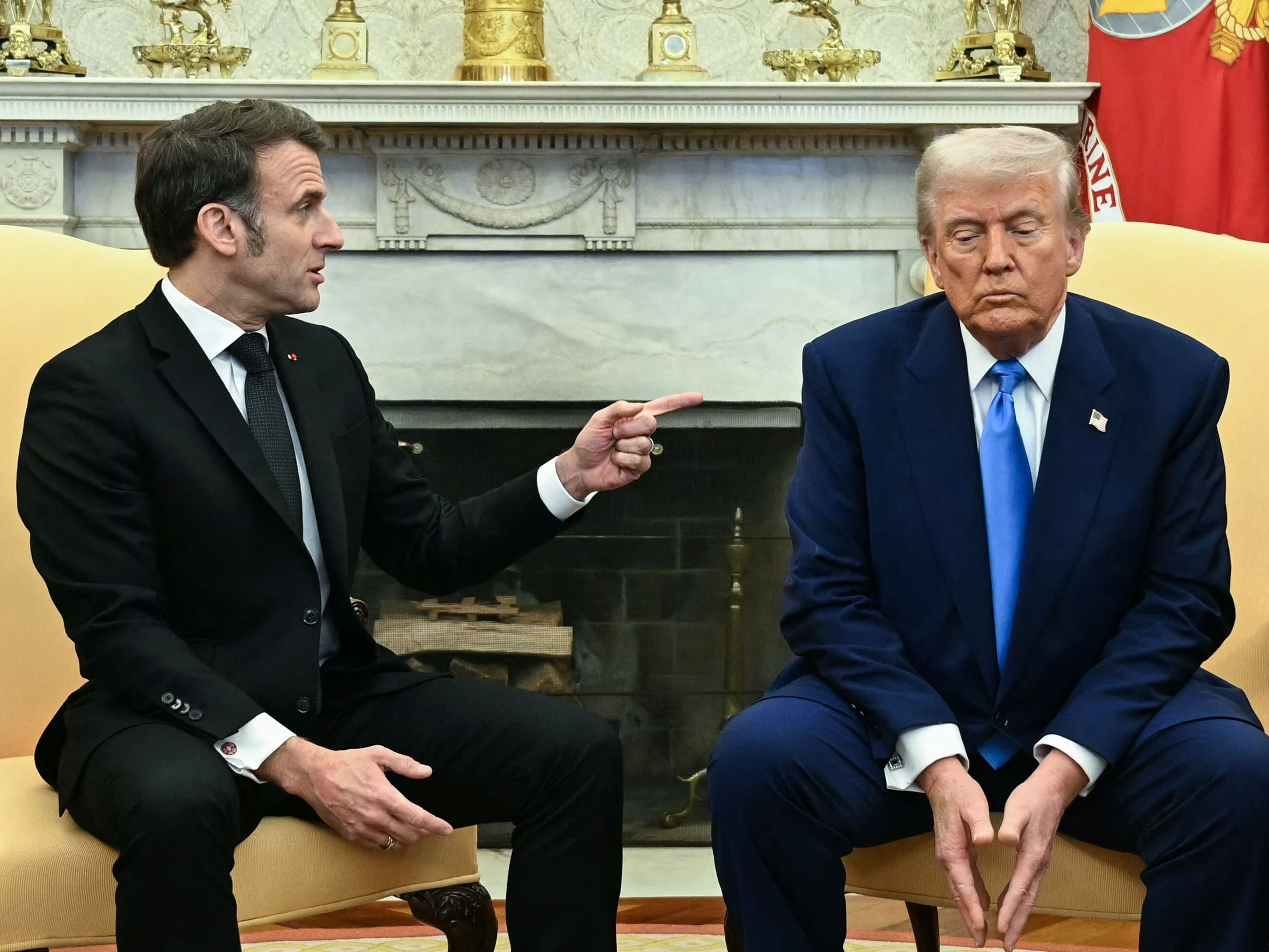
What happened: French President Emmanuel Macron is expected to decline an invitation to US President Donald Trump’s “Board of Peace”, citing concerns over its scope...
-
What happened: French President Emmanuel Macron is expected to decline an invitation to US President Donald Trump’s “Board of Peace”, citing concerns over its scope and mandate.
-
Why it matters now: The decision raises questions about global legitimacy, as the board is seen by some capitals as overlapping with the UN Security Council.
-
What changes for people: France’s stance could shape how other countries respond, influencing the board’s credibility and reach.
-
Who is affected: France, the United States, invited nations across Europe, Asia, and the Middle East, and the broader UN system.
President Emmanuel Macron is poised to turn down President Donald Trump’s invitation to join the proposed Board of Peace, a US-backed body initially framed around post-conflict arrangements in Gaza.
According to officials familiar with Paris’s thinking, Macron believes the board’s charter extends well beyond Gaza, raising institutional and diplomatic red flags for France.
Why France is pushing back
Officials close to the French president say the board appears to be emerging as an alternative to the UN Security Council, a development Paris views with concern.
Underline: France considers respect for the principles and institutional framework of the United Nations non-negotiable.
As a permanent member of the UN Security Council, France is wary of initiatives that could dilute or bypass existing multilateral structures, particularly on issues involving war, peace, and reconstruction.
Cost concerns add to hesitation
Beyond governance issues, the proposed board has also drawn scrutiny over reports of a $1 billion permanent membership fee, according to people familiar with the discussions.
That price tag is believed to be discouraging several world leaders, especially from countries already cautious about committing resources to a body with an unclear mandate.
Potential ripple effect in Europe
France’s likely rejection is being closely watched across European capitals. Diplomats say Paris’s position could influence how other EU nations respond, especially those weighing institutional loyalty to the UN against pressure to join the US-led initiative.
So far, Hungary is the only European country to have accepted the invitation.
Who has been invited so far
The United States has sent invitations to around 60 countries, including Australia, Vietnam, Pakistan, Jordan, Greece, Cyprus, Canada, Turkey, Egypt, Paraguay, Argentina, and Albania.
India has also received an invitation, but officials indicate New Delhi is in no hurry to respond, citing the sensitivity of the issues involved.
Trump’s invitation letters described the board as a “bold new approach” to resolving global conflicts, language that has fueled speculation about its long-term ambitions.