
White House Defends Second U.S. Strike on Venezuelan Drug Boat Amid Legal, Political Outcry
The White House on Monday confirmed that a senior U.S. Navy commander authorised a second strike on an alleged Venezuelan drug-smuggling vessel, intensifying scrutiny over...
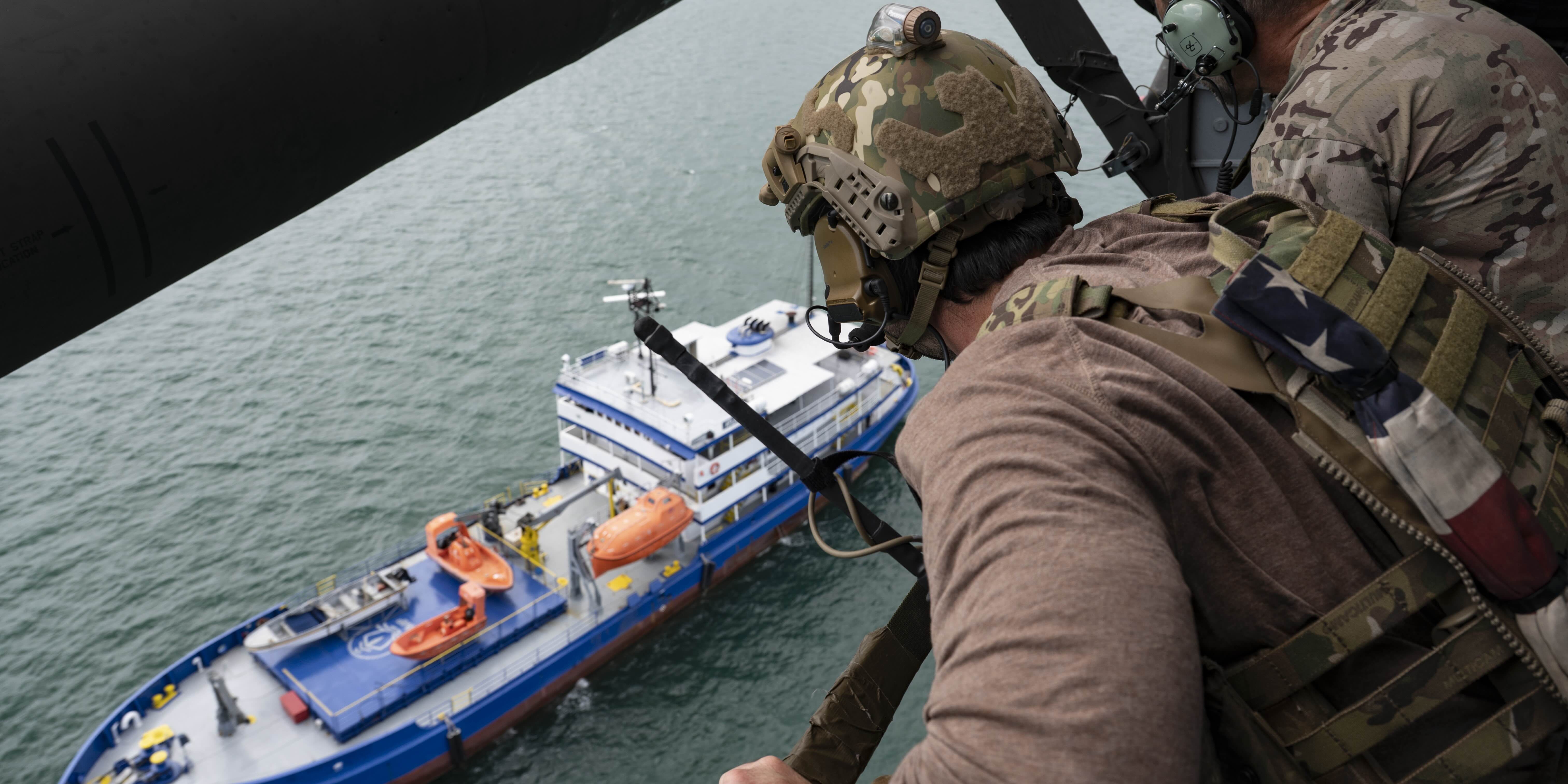
The White House on Monday confirmed that a senior U.S. Navy commander authorised a second strike on an alleged Venezuelan drug-smuggling vessel, intensifying scrutiny over the legality of American military operations in the Caribbean.
Press Secretary Karoline Leavitt said Admiral Frank Bradley acted “well within his authority and the law” when he ordered the follow-up attack. The second strike was allegedly carried out after two people survived the initial blast and were seen clinging to the burning boat.
Leavitt acknowledged that Defence Secretary Pete Hegseth had approved the operation, but rejected a Washington Post report claiming he directed forces to “kill everybody” on board. She declined to confirm whether the second strike targeted survivors of the first.
Congress to Launch Bipartisan Review
The revelations have sparked concern among lawmakers from both parties, who have promised extensive oversight.
-
The Senate Armed Services Committee, led by Republican Senator Roger Wicker, said it intends to question the admiral in charge and review audio and video from the September 2 mission.
-
The House Armed Services Committee also announced a bipartisan inquiry to obtain a “full accounting” of the operation.
Senior U.S. military leadership, including the Chairman of the Joint Chiefs of Staff, met with committees over the weekend to discuss the mission’s “intent and legality.”
Hegseth Pushes Back, Calls Allegations Baseless
Defence Secretary Hegseth has dismissed the reports as “fabricated, inflammatory, and derogatory.”
He defended Bradley as “an American hero… a true professional,” stating he had full confidence in the decisions made during the September 2 strike and subsequent missions.
The White House maintains that President Donald Trump and the Pentagon view “presidentially designated narco-terrorist groups” as lawful targets under the laws of war.
Escalating U.S. Operations in the Caribbean
Since early September, the United States has stepped up military activity in international waters off Venezuela and Colombia, conducting multiple lethal strikes as part of an expanded anti-narcotics mission.
More than 80 people have been killed in these operations, according to officials. The Trump administration argues that the actions are defensive, aimed at stopping drug-laden vessels en route to the U.S.
But the strikes have dramatically increased tensions with Venezuela. Trump has repeatedly stated he is considering deploying U.S. ground forces to the country.
International Law Experts Raise Red Flags
Legal scholars consulted by the BBC say the second strike—if conducted against wounded survivors—could violate international humanitarian law.
Under the Geneva Conventions, combatants rendered unable to fight or shipwrecked at sea must be protected, captured, and medically treated—not targeted.
The Trump administration argues that it is engaged in a non-international armed conflict with drug-trafficking groups, giving it broader latitude. But experts warn that such an interpretation may not justify a strike on shipwrecked individuals.
The controversy echoes past criticism of the Obama-era “double tap” drone strikes, where follow-up attacks sometimes caused civilian casualties.
Venezuela Condemns the Strikes
Venezuela’s National Assembly has called for a “rigorous” investigation into the September 2 attack, accusing the U.S. of destabilising the region.
In an interview with BBC Newsnight, Venezuelan Attorney General Tarek William Saab accused President Trump of acting out of “envy” for Venezuela’s natural resources and urged Washington to open direct diplomatic talks.
Trump Pressured Maduro in Secret Call
On Sunday, Trump confirmed reports that he had a brief call with Venezuelan President Nicolás Maduro, urging him to resign and leave the country.
According to multiple outlets, Trump said Maduro could choose a destination for exile if he agreed to step down immediately. Maduro refused, reportedly asking for amnesty for top aides and continued control of the military—conditions Trump rejected.
Soon after the call, Trump declared Venezuela’s airspace “closed in its entirety” on social media.
U.S. officials continue to allege that Maduro is linked to the Cartel of the Suns, a purported narco-trafficking network involving senior Venezuelan military officials. Maduro has repeatedly denied the accusations.