
West Bengal Assembly Dissolved After Mamata Banerjee Refuses To Resign, Constitutional Battle Looms
A major political and constitutional confrontation has unfolded in West Bengal after Governor R N Ravi officially dissolved the state assembly following Chief Minister Mamata...
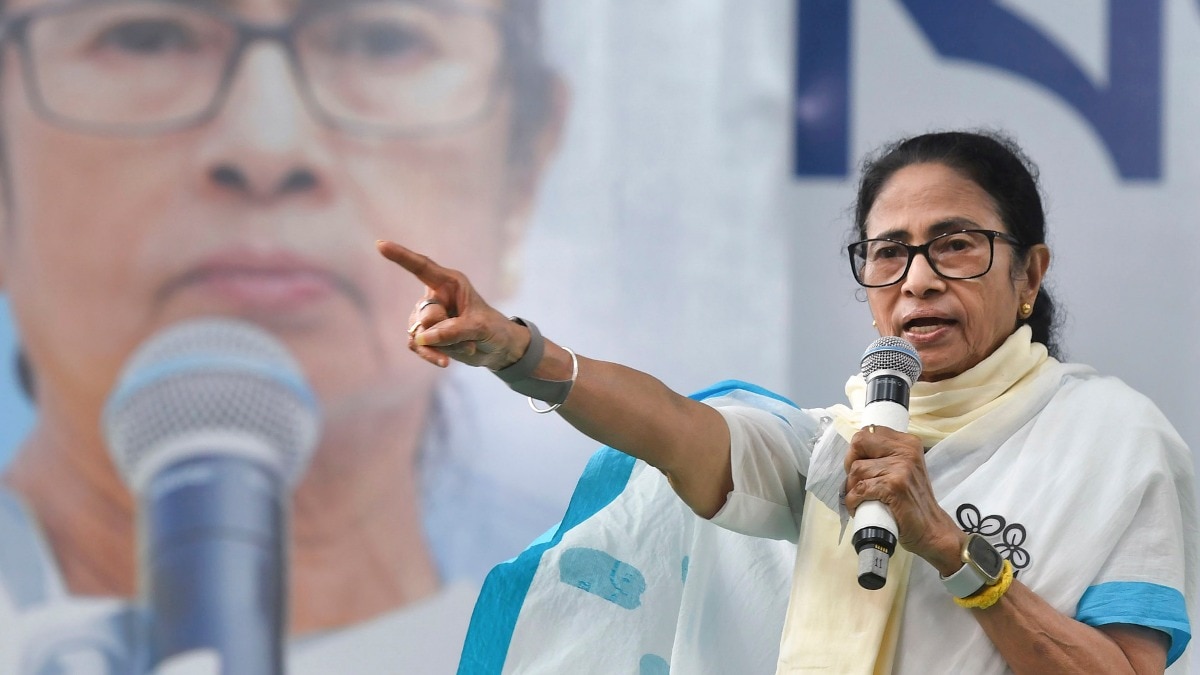
A major political and constitutional confrontation has unfolded in West Bengal after Governor R N Ravi officially dissolved the state assembly following Chief Minister Mamata Banerjee’s refusal to step down from office.
The development has triggered fresh debate over constitutional procedure, caretaker governments and possible legal challenges related to the state election results.
Top Summary
- What happened: West Bengal’s assembly was dissolved after Mamata Banerjee reportedly refused to resign.
- Why it matters now: The crisis could escalate into a major constitutional and legal battle.
- What changes for people: The state may temporarily function under caretaker arrangements while political and legal processes continue.
- Who is affected: West Bengal government, political parties, newly elected MLAs and voters.
The Raj Bhavan issued an official notification invoking Article 174(2)(b) of the Constitution to dissolve the Legislative Assembly with effect from May 7, 2026.
The assembly’s term had been scheduled to expire at midnight on Thursday.
According to constitutional experts quoted in reports, once an assembly is dissolved, the existing Council of Ministers effectively loses its institutional basis because it is no longer collectively responsible to an elected House.
Legal expert Swapnil Tripathi reportedly stated that after dissolution, a chief minister can continue only in a caretaker capacity and usually at the Governor’s request until a new government is sworn in.
He noted that such arrangements are based more on constitutional convention than any enforceable legal provision.
Tripathi also explained that refusing to resign does not substantially alter the constitutional position because democratic legitimacy for a government comes from the confidence of an existing legislative assembly.
According to the report, Mamata Banerjee may not have any direct constitutional route to continue as a regular chief minister once the assembly ceases to exist.
The next constitutional step is expected to involve formation of the new assembly and invitation to the leader who can demonstrate majority support among newly elected MLAs.
The political situation has become even more sensitive because Mamata Banerjee continues to raise questions regarding alleged irregularities in the assembly elections.
Observers now believe the conflict could shift toward a prolonged courtroom battle.
Constitutional experts noted that any challenge to election results must proceed through election petitions under the Representation of the People Act.
Such petitions must be filed before the appropriate High Court and require proof of legal violations connected to specific constituencies.
The unfolding situation has now become one of the most closely watched constitutional crises in recent Indian state politics.
Political analysts say the developments may further intensify tensions between the ruling All India Trinamool Congress and opposition parties amid an already polarised political climate.
Bottom line
The dissolution of the West Bengal Assembly has pushed the state into a serious constitutional and political standoff. While Mamata Banerjee remains defiant, legal experts suggest her options are now limited largely to caretaker arrangements and potential election-related court challenges.
What to watch next
- Formation of the new West Bengal government
- Possible legal challenges over election results
- Governor’s next constitutional decisions
- Court proceedings linked to election petitions
- Political reactions from TMC, BJP and opposition parties