
Wellness in India 2026: Sexual health, women’s care and recovery redefine wellbeing
India’s wellness movement is shifting beyond luxury spas, becoming part of everyday urban and community life. Sexual health, women’s wellbeing and recovery-focused care are emerging...
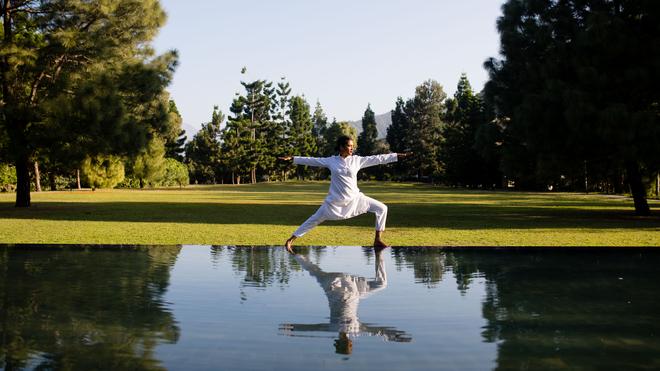
India’s wellness movement is shifting beyond luxury spas, becoming part of everyday urban and community life.
Sexual health, women’s wellbeing and recovery-focused care are emerging as central themes for 2026.
Workplaces, hotels and cities are integrating wellness into daily routines, not treating it as an occasional indulgence.
Women, young professionals and urban families are driving demand, reshaping how wellbeing is discussed and accessed.
Wellness in India is undergoing a decisive transformation. No longer confined to premium retreats or aspirational spa holidays, wellbeing is becoming a daily priority, influencing how people work, heal, travel, connect and rest. As the country moves into 2026, three areas are clearly taking centre stage: sexual health, women’s care and recovery-led wellness.
From escape to everyday wellbeing
Industry experts say India’s wellness sector is moving away from the idea of wellness as escape towards wellness as infrastructure. City hotels are introducing longevity therapies, workplaces are investing in emotional regulation and burnout recovery, and urban sanctuaries are focusing on mental resilience rather than indulgence.
This shift reflects changing lifestyles, longer work hours and growing awareness that health cannot be postponed.
Sexual health steps into the mainstream
One of the most significant changes is the normalisation of sexual health conversations. Topics once considered private or taboo are now entering public discourse through clinics, digital platforms and wellness spaces.
Experts note rising interest in:
Hormonal health
Fertility awareness
Intimacy and relationship wellness
Stress-linked sexual health issues
This signals a broader understanding that sexual wellbeing is central to overall physical and emotional health, not a separate concern.
Women’s wellness leads the conversation
Women are no longer passive participants in India’s wellness economy. Women-led health conversations are reshaping priorities, with growing focus on:
Reproductive and menstrual health
Perimenopause and menopause care
Mental load, burnout and emotional labour
Postpartum recovery and long-term vitality
Healthcare professionals say this reflects a demand for continuity of care across life stages, rather than fragmented, event-based treatment.
Recovery becomes the new luxury
In 2026, recovery is emerging as the new status symbol. Instead of pushing constant productivity, wellness providers are emphasising:
Sleep optimisation
Nervous system regulation
Trauma-informed movement
Digital detox and cognitive rest
Urban consumers, especially younger professionals, are actively seeking spaces that prioritise rest without guilt.
Community and ecology reshape wellness spaces
Beyond cities, India is seeing renewed interest in community-driven wellness festivals and ecological, place-based healing. These experiences draw on local traditions, nature and collective practices, moving away from imported or generic wellness models.
The emphasis is on belonging, sustainability and cultural relevance, rather than exclusivity.