
‘We’ll make a deal’ vs ‘not initiators of war’: Trump, Khamenei escalate rhetoric as Iran-US tensions continue
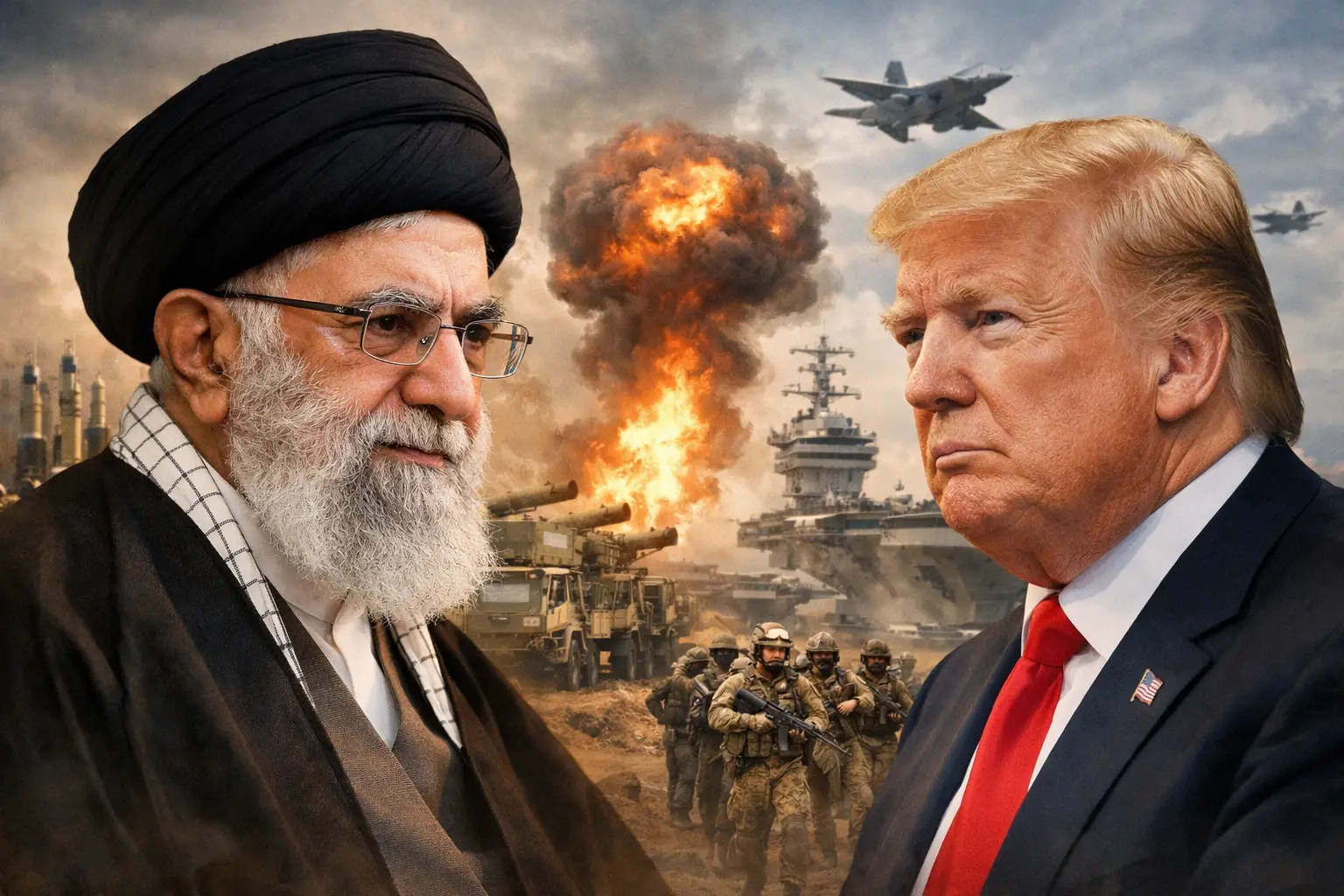
What happened: US President Donald Trump expressed optimism about striking a deal with Iran, even as Iranian Supreme Leader Ayatollah Ali Khamenei warned that any...
-
What happened: US President Donald Trump expressed optimism about striking a deal with Iran, even as Iranian Supreme Leader Ayatollah Ali Khamenei warned that any US attack could spark a regional war.
-
Why it matters: The world watches closely as diplomatic overtures and military posturing unfold, with multiple regional actors urging restraint.
-
What changes for people: Markets, energy prices, and geopolitical alliances are sensitive to conflict escalation, while the threat of military confrontation fuels regional anxiety.
-
Who is affected: Iran, the United States, Middle Eastern states, global powers, and international oil markets are all caught in growing tensions.
Powerful lead
Tensions between Donald Trump and Ayatollah Ali Khamenei have entered a public clash of rhetoric teetering between hope for negotiation and warnings of war. On one hand, Trump voiced a desire for a diplomatic pact. On the other, Khamenei warned that any US military action would not stay confined to borders, but erupt into broader Middle Eastern conflict.
Trump’s message: deal or test Khamenei’s warning
At his Mar-a-Lago residence, Trump struck an unusually dual-toned note:
-
Optimism about diplomacy: “Hopefully we’ll make a deal” with Iran, he said—pointing to ongoing talks aimed at curbing Tehran’s nuclear ambitions and tensions.
-
Military undertone: Trump noted that “the biggest, most powerful ships in the world” are positioned near Iranian waters, adding that if a deal fails, people will see “whether or not [Khamenei] was right.”
This message blends diplomatic overture with pressure tactics—suggesting the US prefers a negotiated outcome, yet wants Tehran to feel strategic pressure.
Khamenei’s warning: no initiators of war, but forceful response if attacked
In Tehran, Khamenei announced a stark warning that has dominated headlines:
-
Iran does not seek to initiate war or attack another nation, he said.
-
But if the United States strikes, conflict “this time will be a regional war,” spilling far beyond the immediate battlefield.
-
He dismissed the presence of US naval forces as a familiar tactic, urging Iranians not to fear external threats.
This carefully worded rhetoric aims to portray Iran as defensive, not aggressive—yet resolute against foreign military action.
Why fears of regional conflict are rising
Both sides’ statements have triggered concern across the Middle East and beyond:
-
Allies in the Gulf and North Africa have warned against militarised escalation and called for diplomacy.
-
Beijing and Moscow have cautioned that any military adventurism risks plunging the region into unpredictability.
-
Oil prices responded sharply to the rhetoric, reflecting global economic sensitivity to conflict in the Strait of Hormuz corridor.
This dynamic underscores how interconnected modern geopolitics and energy markets have become.
Where diplomatic cracks and bridges lie
Despite heated words, there are signs of diplomatic engagement:
-
Trump has emphasised negotiation is still possible and that the US prefers a deal over open conflict.
-
Some regional actors, including Turkey, have advocated step-by-step dialogue to prevent humiliation or escalation.
-
Iranian officials have publicly stated their distrust but also acknowledged discussions on framework talks.
This mix of threats and conversation reflects the complexity of US–Iran ties—where confrontation and compromise persist side by side.
Bottom line
The US and Iran are at a critical diplomatic and strategic crossroads. While Trump broadcasts hope for a nuclear deal, his hints of force amplify Khamenei’s warnings of a broader conflict if military options are pursued. Regional powers, global markets, and diplomatic intermediaries are watching closely, keen to avert a scenario that could reshape Middle Eastern geopolitics.
What to watch next
-
Updates on diplomatic negotiations or deadlines set by Washington and Tehran
-
Movements of US military assets in the Middle East
-
Statements from regional powers like Saudi Arabia, Turkey, and UAE