
Weight Loss Drugs Show Promise for Liver Health, Study Finds
New research suggests that certain medications designed for weight loss may have a surprising added benefit: improving liver health. A review published in the World...
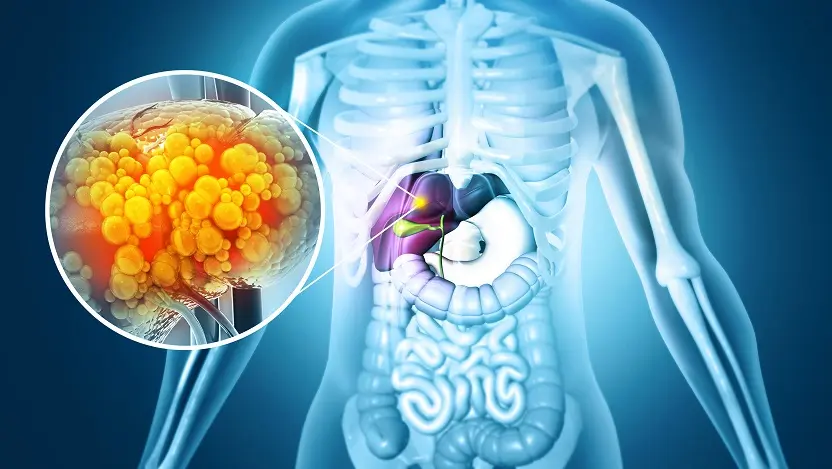
New research suggests that certain medications designed for weight loss may have a surprising added benefit: improving liver health. A review published in the World Journal of Gastroenterology highlights that drugs originally developed to treat obesity and diabetes could also help patients with metabolic dysfunction-associated steatotic liver disease (MASLD) and its more severe form, metabolic dysfunction-associated steatohepatitis (MASH).
Understanding MASLD and MASH
MASLD, commonly known as fatty liver disease, occurs when fat accumulates in the liver due to metabolic dysfunction, including obesity and insulin resistance. It is now one of the most widespread chronic liver conditions globally, affecting nearly 30% of adults.
MASH represents a more serious progression, involving inflammation and liver cell damage that can lead to fibrosis (scarring) and cirrhosis if left untreated. Traditionally, treatment has relied on lifestyle modifications, including diet and exercise, sometimes supported by off-label medications or surgery.
What the Latest Evidence Shows
Several medications are showing promising results in early trials:
-
Semaglutide: This drug reduces liver fat, improves insulin use, and decreases inflammation. Clinical trials have shown that semaglutide can reverse liver inflammation and even reduce fibrosis.
-
Tirzepatide: Acting on GLP-1 and GIP receptors, it not only supports weight loss but also improves fat distribution in the body, reducing fat in internal organs while modestly increasing healthier subcutaneous fat.
-
Retatrutide: A next-generation therapy targeting GLP-1, GIP, and glucagon receptors, early studies show it can help patients lose over 24% of their body weight and reduce liver fat. However, its effects on liver scarring and long-term safety require further research.
The review cites the Liraglutide Efficacy and Action in NASH trial, where many patients saw improved liver function and even disease resolution after 48 weeks of therapy.
Challenges and Limitations
Experts caution that while these findings are promising, several challenges remain:
-
Short-term data: Most trials lasted 6–12 months, leaving long-term safety and durability uncertain.
-
Surrogate endpoints: Many studies rely on MRI scans or biochemical markers rather than repeated liver biopsies.
-
Accessibility issues: High drug costs and limited insurance coverage make these therapies out of reach for many patients in low- and middle-income countries.
-
Variable responses: Genetics, disease stage, and other health conditions affect outcomes, meaning not every patient will benefit equally.
The researchers call for fair pricing models and wider inclusion of high-risk patients in public health programs.
Implications for Clinical Care
The emergence of pharmacological options could redefine liver disease management, offering a complement to lifestyle interventions, particularly for those with moderate to advanced MASLD or MASH. Experts emphasize that weight loss and lifestyle modification remain the foundation, with drugs serving as adjunct therapies.
“Combination therapy, pairing incretin agents with liver-targeted drugs, may offer the best outcomes,” said one of the study authors, highlighting a shift toward a more integrated approach to managing metabolic liver disease.