
Watermelon for Weight Loss? Decoding the Summer Fruit's Impact
Watermelon, with its high water content, is often linked to weight loss. But is it truly effective?
Top Summary
- What happened: This article examines watermelon's potential role in weight management, given its low calorie and high water content.
- Why it matters: Many diets promote watermelon as a weight-loss aid. This analysis clarifies its actual benefits and limitations.
- What changes for people: Readers gain a balanced understanding of how watermelon fits into a healthy diet and weight loss plan.
- Who is affected: Individuals seeking weight loss strategies and those interested in the nutritional benefits of watermelon.
The Watermelon Weight Loss Myth
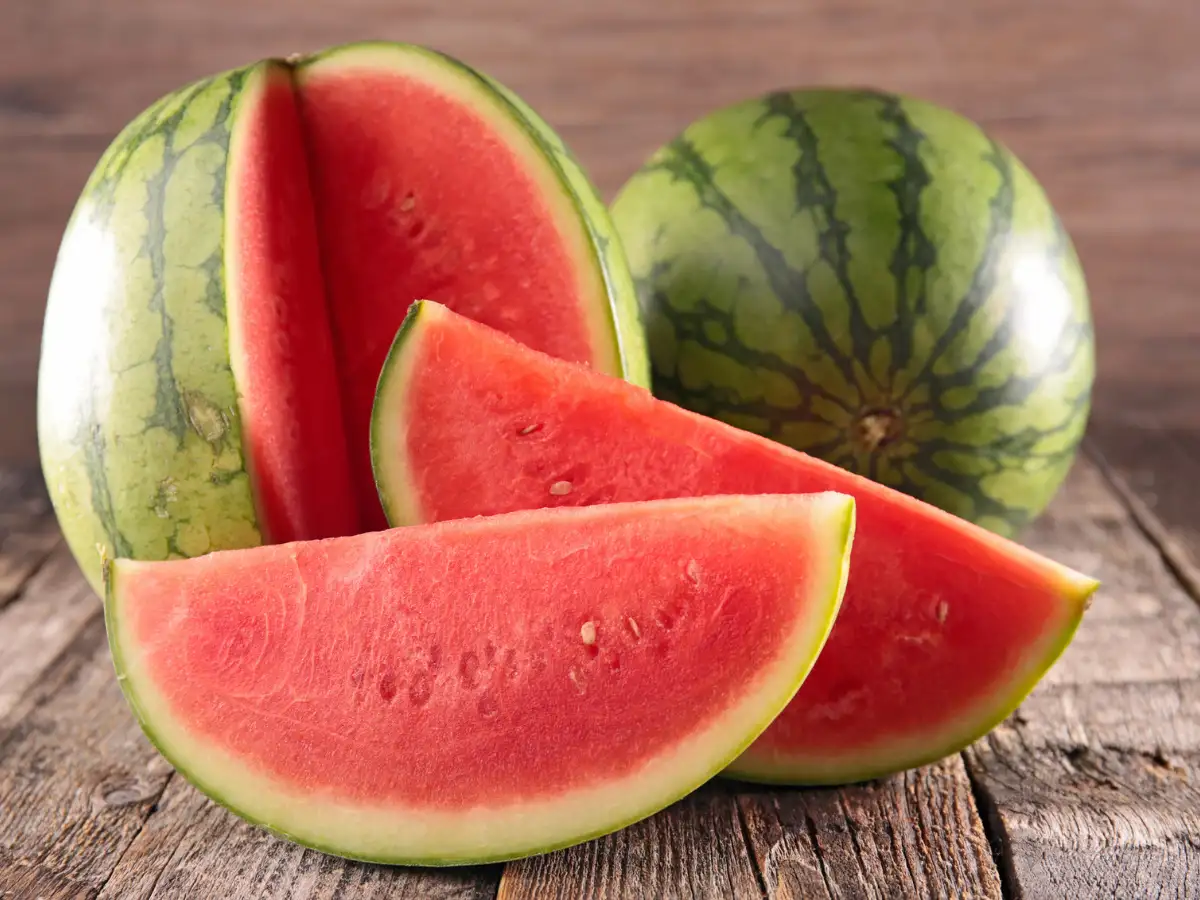
Watermelon, a summer staple, is frequently discussed in the context of weight loss. It's about 80% water and low in calories, leading some to believe it's a free-to-eat food.
However, can watermelon actually help you lose weight?
Hydration and Fullness
Watermelon's high water content contributes to hydration, a key factor in overall health. It can also create a feeling of fullness, potentially helping with portion control during meals.
This sense of fullness may lead to reduced calorie intake. Remember to drink sufficient water everyday.
Calorie Consideration and Moderation
While low in calories, watermelon does contain sugar. Therefore, moderation is crucial for weight management. Excessive consumption can still contribute to calorie surplus.
Pairing watermelon with protein can create a more balanced snack. This can help sustain energy levels and reduce cravings.
The Importance of a Balanced Diet
No single food, including watermelon, can magically eliminate body fat. A comprehensive approach involving a balanced diet and regular exercise is essential for sustainable weight loss.
"Although its high-water content and natural sweetness can help curb cravings, portion sizes and overall diet balance are key."
Replacing Sugary Treats
Watermelon can be a healthier alternative to processed sugary desserts. Its natural sweetness satisfies cravings without the added refined sugars found in many treats.
This substitution can contribute to a reduced overall sugar intake. Be cautious of the added sugar in packaged products.
What to Watch Next
Further research into the long-term effects of incorporating watermelon into weight loss diets is warranted. Experts will likely continue to emphasize the importance of a holistic approach that combines dietary changes with physical activity for optimal results.