
VULNERABLE WOMEN FACE UP TO 4X HIGHER CERVICAL CANCER RISK: MAJOR META-ANALYSIS WARNS
A groundbreaking systematic review and meta-analysis has recently drawn critical attention to the heightened risk of cervical cancer and high-grade precancerous lesions among vulnerable female...
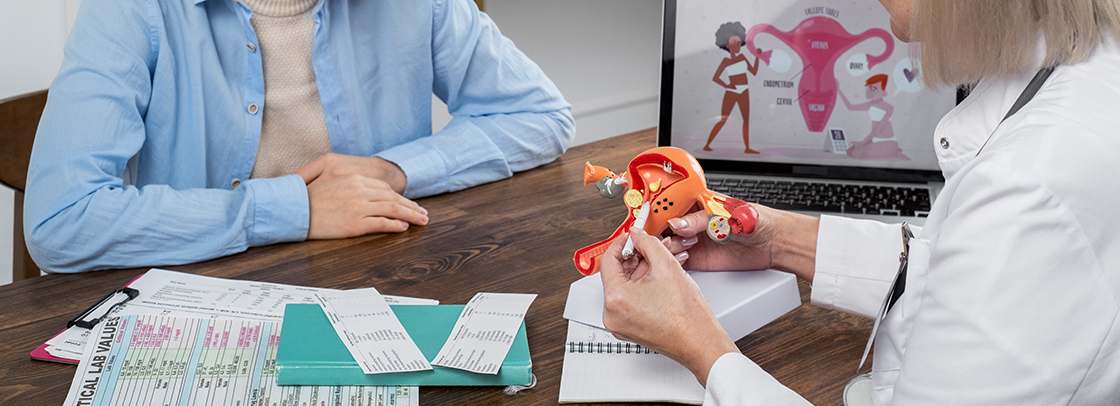
Landmark global review in Nature Communications finds HIV-positive, homeless and migrant women disproportionately affected by high-grade cervical lesions and invasive cancer.
What happened:
-
A large systematic review in Nature Communications found vulnerable women face up to fourfold higher risk of high-grade cervical lesions.
-
HIV-positive women showed nearly double the risk of developing CIN 2/3 lesions.
-
Over 50 studies involving tens of thousands of women were analyzed.
Why it matters now:
-
Cervical cancer remains one of the most common cancers in women globally.
-
WHO aims to eliminate cervical cancer, but disparities threaten progress.
-
Screening and HPV vaccination access remain uneven in marginalized communities.
What changes for people:
-
Greater push for integrated HIV and cervical screening programs.
-
Calls for expanded HPV vaccination in high-risk groups.
-
Policy pressure to improve follow-up care and health access.
Who is affected:
-
Women living with HIV
-
Homeless and migrant women
-
Survivors of intimate partner violence
-
Sex workers and uninsured women
The Study at a Glance
The research, titled “Risk of cervical cancer and high-grade lesions in vulnerable women: A systematic review and meta-analysis” (DOI: 10.1038/s41467-026-70050-w), synthesizes global data to assess how social and biological vulnerabilities shape cervical cancer outcomes.
Led by Hassine, Tisler, Martel and colleagues, the review aggregated results from more than 50 epidemiological and clinical studies.
Using advanced meta-regression models, researchers calculated adjusted odds ratios accounting for age, smoking and sexual behavior.
The signal was clear: vulnerable women face dramatically higher risks of precancerous and cancerous cervical disease.
Who Is Most at Risk?
The study identified several high-risk groups:
-
Women living with HIV
-
Women experiencing homelessness
-
Migrant women
-
Survivors of intimate partner violence
-
Sex workers
-
Women with limited access to healthcare
These groups often face intersecting challenges — immunosuppression, delayed screening, inconsistent follow-up and structural barriers to care.
HIV and Cervical Cancer: A Dangerous Interaction
One of the strongest findings involved HIV-positive women.
The interaction between HPV infection and HIV-induced immune suppression creates conditions where oncogenic HPV strains persist longer.
The meta-analysis confirms that HIV-positive women nearly double their risk of high-grade cervical lesions.
Researchers call for integrating cervical screening into HIV treatment programs to prevent progression to invasive cancer.
Social Determinants Amplify Risk
Beyond biology, the study underscores powerful structural drivers:
Homelessness:
Unstable housing leads to missed screening appointments and delayed diagnosis.
Migration status:
Language barriers, cultural stigma and immigration concerns reduce participation in vaccination and screening programs.
Intimate partner violence and trauma:
Psychological distress and healthcare avoidance increase risk of untreated HPV progression.
The findings reinforce that cervical cancer prevention cannot rely solely on medical solutions — it requires systemic reform.
Screening Gaps and Vaccine Inequity
Although HPV vaccines are highly effective, uptake remains low in marginalized groups.
Barriers include:
-
Limited insurance coverage
-
Misinformation
-
Geographic inaccessibility
-
Distrust in healthcare systems
The study warns that without equitable vaccine distribution, elimination goals may widen health gaps instead of closing them.
Scientific and Clinical Insights
The review also highlighted variability in diagnostic methods across studies.
Researchers advocate for:
-
Standardized HPV genotyping
-
High-sensitivity molecular assays
-
Improved histopathological consistency
Better diagnostics could ensure earlier detection, especially in high-risk populations.
Emerging molecular evidence also suggests chronic inflammation and co-infections may alter the tumor microenvironment, opening avenues for new therapies.
Global Health Implications
Cervical cancer disproportionately affects women in low-income and marginalized settings.
The study arrives as the global health community pushes toward the WHO elimination target.
Experts argue that equity must be central to eradication efforts.
Without targeted outreach, millions of vulnerable women may remain excluded from preventive care.
Impact Snapshot
Public Health: Calls for integrated HIV–cervical screening services.
Policy: Urgent need for patient navigation and community health worker programs.
Healthcare Systems: Pressure to improve follow-up and continuity of care.
Research: Momentum toward trauma-informed and culturally sensitive interventions.
Bottom line
This landmark meta-analysis confirms that cervical cancer risk is not evenly distributed.
Women facing social marginalization and medical vulnerability are bearing a disproportionate burden — up to four times higher risk of serious precancerous lesions.
Achieving global cervical cancer elimination will depend on whether prevention, screening and vaccination efforts truly reach the women most at risk.
What to watch next
-
WHO policy responses and funding reallocations
-
Expansion of integrated HIV–HPV screening programs
-
New molecular diagnostics targeting high-risk populations
-
National strategies focused on equity in HPV vaccination