
Vande Mataram To Play Before Jana Gana Mana At All Government Events, Schools: New MHA Protocol
The Home Ministry has issued new rules making ‘Vande Mataram’ compulsory before the national anthem at official events, reviving all six stanzas and extending anthem-like...
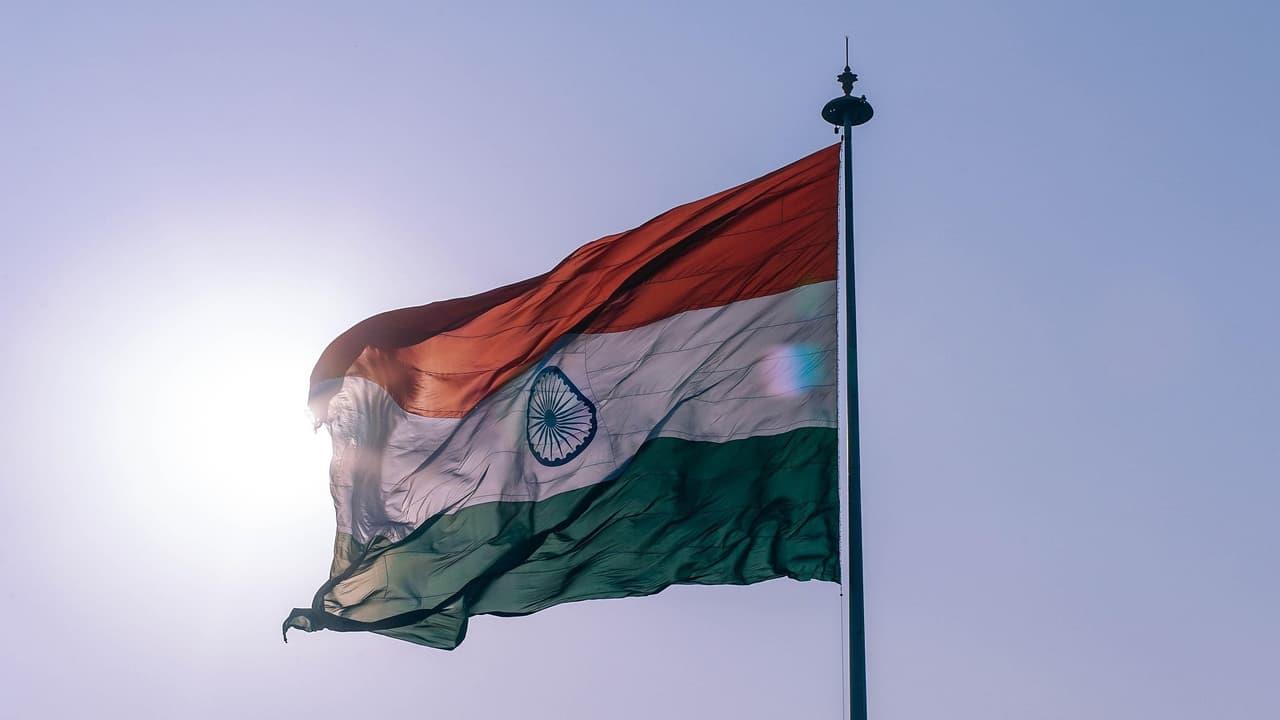
The Home Ministry has issued new rules making ‘Vande Mataram’ compulsory before the national anthem at official events, reviving all six stanzas and extending anthem-like protocols to the national song.
Top Summary
What happened: The Union Home Ministry ordered that ‘Vande Mataram’ be played before ‘Jana Gana Mana’ at government functions, schools, and key national events.
Why it matters now: The directive revives a long-standing political debate, especially after last year’s BJP–Congress clash over the national song’s status.
What changes for people: Schools, ministries, awards ceremonies, and public institutions must follow new ceremonial sequences and standing protocols.
Who is affected: Students, teachers, government officials, event organisers, and public venues such as cinemas.
What the new rules mandate
The Ministry’s notification lays out a series of new requirements:
1. ‘Vande Mataram’ must be played first
At:
All government events
Schools and educational institutions
Civilian awards ceremonies (including Padma Awards)
Any event attended by the President, during arrival and departure
2. Standing is mandatory
All persons must stand when ‘Vande Mataram’ is played, similar to the honour accorded to the national anthem.
3. All six stanzas to be included
A major shift: the directive instructs the playing of the full six stanzas, including the four stanzas removed by the Congress in 1937 over concerns raised by various communities.
4. Cinema halls included — with a key exception
‘Vande Mataram’ will also be played in public spaces like cinemas.
➡️ Standing will not be mandatory inside theatres.
5. Protocols may soon align with the National Honour Act
Sources earlier told NDTV that the government planned to extend the National Anthem protocols under the Prevention of Insults to National Honour Act to ‘Vande Mataram’ — indicating this move has now begun.
Political and public implications
This directive is likely to trigger heated debate:
Last year, the BJP and Congress clashed publicly over primacy between ‘Vande Mataram’ and ‘Jana Gana Mana’.
The inclusion of previously removed stanzas — some referencing religious imagery — is expected to restart cultural and constitutional arguments.
Schools and institutions will need to update daily and ceremonial routines, including morning assemblies and annual functions.
Supporters view it as reinforcing national pride; critics see it as politicisation of cultural symbols.
Why this matters now
The move signals:
A stronger emphasis on national identity rituals
A shift in how India sequences its national symbols
Renewed focus on cultural heritage and patriotic representation
A possible legal path toward elevating ‘Vande Mataram’ to near-anthem status
The timing — months before several major elections — adds political weight to the decision.