
U.S. Snow Storm: At Least 30 Dead as Extreme Cold, Power Outages Grip Large Parts of America
A massive winter storm continues to batter large parts of the United States, leaving at least 30 people dead and millions struggling through freezing temperatures,...
)
A massive winter storm continues to batter large parts of the United States, leaving at least 30 people dead and millions struggling through freezing temperatures, power outages, and widespread travel disruptions. Authorities warned that the worst may not yet be over, with fresh Arctic air expected to prolong the crisis and the possibility of another storm later this week.
Death toll rises across multiple states
Officials across several U.S. states confirmed that at least 30 deaths have been linked to the severe winter weather. Fatal incidents ranged from road and snow-clearing accidents to exposure-related deaths and recreational mishaps.
Among the reported cases were two people run over by snowplows in Massachusetts and Ohio, teenagers killed in separate sledding accidents in Arkansas and Texas, and a woman found dead under snow in Kansas after leaving a bar late at night. In New York City alone, authorities said eight people were found dead outdoors during the frigid weekend, with investigations ongoing to determine exact causes.
Tennessee reported four deaths, while Louisiana and Pennsylvania recorded three each. Mississippi confirmed two deaths, and additional fatalities were reported in New Jersey, South Carolina, and Kentucky.
Snow, ice and dangerous wind chills
The storm dumped deep snow across a vast 2,100-kilometre stretch of the country, from Arkansas to New England. Several regions received more than a foot of snow, bringing traffic to a standstill and forcing widespread school closures.
Meteorologists said areas north of Pittsburgh recorded up to 20 inches of snow, with wind chills plunging to minus 25 degrees Fahrenheit (minus 31 degrees Celsius). Nearly two-thirds of the country remained under the grip of bitter cold, with forecasters warning that freezing conditions would persist for days.
The National Weather Service said a new surge of Arctic air would keep temperatures well below normal, even in regions already buried under snow and ice.
Over 560,000 without power
Power outages remained one of the most severe challenges as of Monday evening. More than 560,000 homes and businesses were still without electricity, with the worst-hit areas concentrated in the southern United States.
Freezing rain and ice storms caused tree limbs and power lines to collapse, particularly in northern Mississippi and parts of Tennessee. Officials warned that restoring power could take several days due to the scale of damage.
In Mississippi, state authorities described the situation as the worst ice storm the region has faced since 1994. At least 14 homes, one business, and 20 public roads suffered major damage. Emergency teams rushed cots, blankets, bottled water, and generators to warming centres as residents struggled to cope with subzero temperatures.
Campuses shut, cities crippled
The University of Mississippi cancelled classes for the entire week as its Oxford campus remained coated in ice. City officials described scenes of devastation, with fallen trees and power lines lining nearly every street.
Residents shared accounts of damage to homes, broken windows, and prolonged power cuts. Many families were forced to relocate temporarily, seeking warmth and electricity wherever possible.
Across the Midwest and South, communities woke up to subzero temperatures, with the continental U.S. recording its coldest average low temperature since January 2014.
Travel chaos: flights cancelled, roads empty
Air travel was severely disrupted nationwide. More than 12,000 flights were delayed or cancelled on Monday alone. Sunday marked the worst day for flight cancellations since the COVID-19 pandemic, with nearly half of all U.S. flights grounded.
Major transport hubs, including Dallas–Fort Worth International Airport, were hit hard, causing ripple effects across the country as aircraft and crews were stranded far from their scheduled destinations.
Road conditions were equally dangerous. Snow-covered highways, ice-coated streets, and whiteout conditions led to near-empty city centres in many regions as officials urged people to stay indoors unless absolutely necessary.
New York sees heaviest snowfall in years
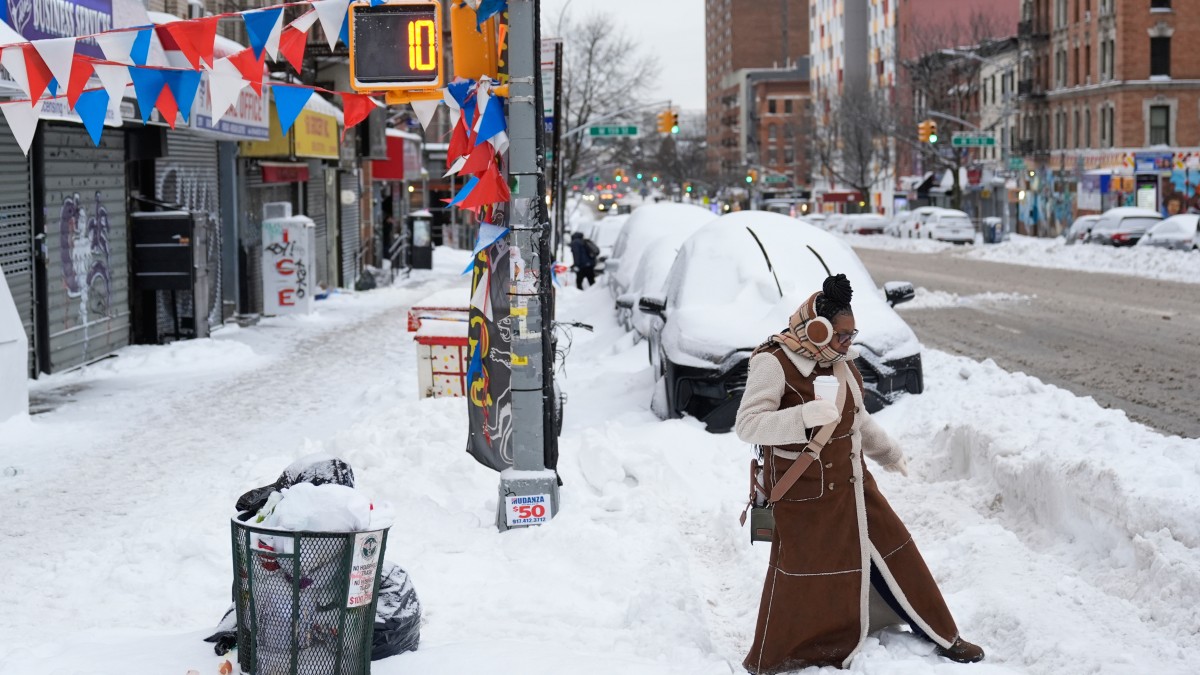
New York City experienced its snowiest day in several years, with neighbourhoods recording between 8 and 15 inches of snow. Public schools were closed, though students were instructed to attend classes online, reflecting a shift away from traditional snow days following the pandemic.
Emergency services remained on high alert as temperatures plunged overnight, increasing the risk of frostbite and hypothermia, particularly among the homeless population.
Hotels fill up as families seek warmth
In cities like Nashville, thousands of residents whose power had been restored cautiously returned home, while more than 140,000 others remained without electricity. Hotels across the region quickly sold out as families sought refuge from dark, freezing houses.
Some residents shared stories of relocating temporarily to preserve essentials such as food and medical supplies, uncertain how long it would take before normal services resumed.