
U.S. Says India Makes “Most Forward-Leaning Offer Yet” in Farm Trade Talks, Signalling Major Shift in Market Access
Washington is moving fast to secure new agricultural openings in India, with U.S. Trade Representative Jamieson Greer telling lawmakers that New Delhi has presented its...
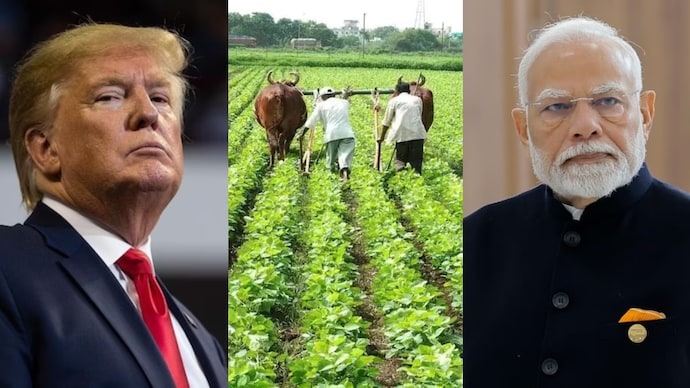
Washington is moving fast to secure new agricultural openings in India, with U.S. Trade Representative Jamieson Greer telling lawmakers that New Delhi has presented its most accommodating proposals to date—potentially reshaping one of the toughest export markets for American farmers.
A Rare Opening in a Historically Difficult Market
During a Senate Appropriations subcommittee hearing on Tuesday, Greer said a USTR delegation was “in New Delhi, as we speak” negotiating tariffs and regulatory hurdles that have long limited U.S. sales of products such as grain sorghum, soy, and other row crops.
Greer acknowledged ongoing resistance within India regarding certain sensitive commodities, but described India’s latest posture as unprecedented. “This is the best offer we’ve ever received from India,” he told senators, signalling that discussions were progressing beyond what past administrations managed to achieve.
The push comes at a moment when American producers are facing heavy inventories, tepid global demand, and an unpredictable Chinese market. Greer said India could emerge as a “viable alternative market”, one capable of absorbing significant volumes if remaining barriers are resolved.
Pressure to Diversify Away From China
Committee Chair Jerry Moran, representing Kansas—one of the country’s largest sorghum and soy producers—pressed Greer on reducing reliance on China’s volatile purchasing patterns.
“With stockpiles rising, we need new buyers,” Moran argued, calling India a market that has been “so difficult to crack.” Greer replied that present negotiations with India were “further along than anything we’ve done in the past decade.”
Greer framed the talks as part of a wider U.S. effort to reshape trade relationships amid global economic uncertainty. “We’re opening market access in Southeast Asia and even Europe,” he said, suggesting these parallel deals give Washington more leverage with India.
Beyond Agriculture: Tariffs, Aviation Parts, and High-Value Trade
The discussions are also expanding into civil aviation, an area governed partly by the 1979 Aircraft Agreement. When questioned about extending zero-tariff treatment on aviation components to India, Greer indicated that talks were “fairly far advanced.”
He added that such concessions would depend on reciprocal access: “If partners are willing to come to the table and offer the United States what it deserves, we can certainly consider it.”
Senators also raised potential opportunities for U.S. ethanol exports. While Greer avoided specifics about India, he pointed to broader momentum worldwide, noting that several countries had recently opened their markets and that the European Union had pledged long-term purchases worth $750 billion in U.S. energy products, including biofuels.
A Sector Under Strain — and a Strategy Built on Enforcement
Multiple lawmakers voiced frustration over the economic pressure facing farmers as Chinese buying patterns shift and global tariffs fluctuate. Greer defended the administration’s strategy of aggressive enforcement—whether through tariffs or regulatory pressure—as central to securing access for American products.
“They respond to enforcement,” he said. “That’s how we generate compliance and unlock markets.”
He also highlighted progress on regulatory issues affecting U.S. pharmaceuticals and food safety approvals, arguing that new agreements were giving exporters “structural, constant access” rather than one-off concessions.
The Bigger Picture: U.S.–India Trade at a Turning Point
U.S.–India economic ties have expanded dramatically over the last decade, driven by aligned geopolitical interests, supply-chain diversification, and new policy frameworks like the U.S.–India Strategic Trade Dialogue.
While services, aviation, defence, and digital sectors have grown rapidly, agriculture has remained a persistent friction point, particularly over tariffs and sanitary-phytosanitary rules.
Negotiations have intensified in 2024–25 as both governments look to insulate their economies from global instability and reduce dependence on China for key supply chains.
If the latest discussions succeed, they could mark one of the most significant breakthroughs in bilateral agricultural trade in years—potentially redirecting billions of dollars in U.S. exports and reshaping India’s import landscape.