
US Pushes Digital Tariff Ban; India's Stance Key Hurdle at WTO
US lawmakers urge permanent ban on digital tariffs, facing India's resistance at the WTO.
Top Summary
- What happened: US lawmakers are advocating for a permanent ban on tariffs on digital products ahead of the WTO ministerial conference (MC14).
- Why it matters: The moratorium, in place since 1998, prevents countries from taxing digital trade, impacting global digital commerce. Its lapse could raise costs and harm US exporters.
- What changes for people: A permanent ban could lower costs for consumers and businesses involved in digital trade. Failure to extend it could lead to higher prices for digital goods and services.
- Who is affected: American businesses, particularly digital exporters, Indian digital economy, global consumers of digital products, and countries involved in digital trade are all affected.
US Lawmakers Advocate for Permanent Ban
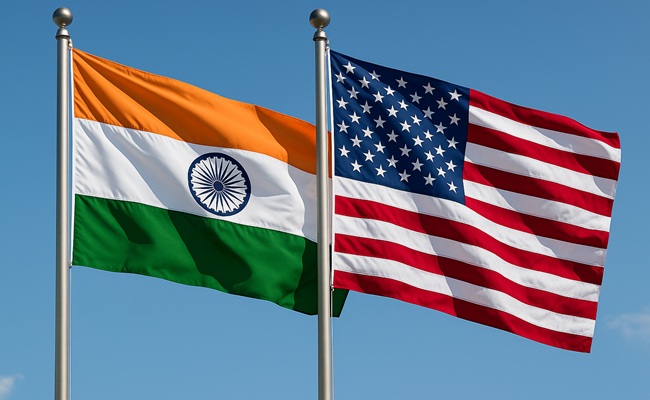
US lawmakers are pressing for a permanent ban on tariffs on digital products before the upcoming WTO ministerial, identifying India's opposition as a major obstacle.
At a Congressional hearing, officials emphasized that extending the moratorium on customs duties on electronic transmissions is a high priority.
House Ways and Means Committee Chairman Adrian Smith stated the US aims for outcomes that benefit American businesses, asserting the rule shouldn't be used as leverage.
Experts Warn of Potential Economic Impact
Experts have cautioned that failure to extend the moratorium could negatively impact global trade.
Stephen Ezell of the Information Technology and Innovation Foundation stressed the importance of securing the WTO moratorium on customs duties on electronic transmissions at MC14.
"It’s vital that America’s foremost priority at MC 14 be securing continuation of the WTO moratorium on customs duties on electronic transmissions."
He warned a lapse in the moratorium would significantly raise the cost of global digital trade and harm US digital exporters, potentially causing exports to fall by as much as 1 per cent.
India's Role and Concerns
India has been repeatedly identified as a crucial player in the decision-making process.
Kelly Ann Shaw from Akin's lobbying & public policy practice, claimed India has held the e-commerce moratorium hostage for nearly 30 years.
Witnesses indicated India has linked the issue to other demands, including public stockholding and farm subsidies.
Potential Risks for India
US experts have also highlighted potential risks for India if the moratorium lapses.
Ezell noted India's digital economy accounts for 11 per cent of Indian GDP.
"If India ever actually got its way and we lapsed the WTO e-commerce moratorium, it would destroy their digital economy."
He added that tariffs on digital flows could disrupt sectors like semiconductors and data services.
Agricultural Subsidies and Global Markets
The hearing also addressed concerns about agriculture, with Peter Bachmann asserting global markets are distorted by subsidies.
"American rice farmer isn’t competing against an Indian rice farmer. They’re competing against the Indian government."
He stated India has pushed for permanent exceptions on public stockholding at past meetings and expects a similar stance at MC14.
US-India Partnership
Lawmakers underscored India's importance as a partner, highlighting cooperation in semiconductors, artificial intelligence, and clean energy.
Ezell suggested stronger ties require alignment on digital trade.
"If they want to be a critical ally with the United States in advanced technology industries, it’s time… for a more mature approach to trade policy making in the global digital economy."
Divisions Over the WTO
The hearing revealed differing views in Washington regarding the WTO.
Some lawmakers defended it as a rules-based system, while others expressed concerns about its effectiveness.
Bruce Hirsh argued the WTO still plays a role in managing trade issues through its rules and committees.
The WTO, with 166 members, operates by consensus.
The digital trade moratorium has been repeatedly extended but never made permanent. Its fate at MC14 will determine the WTO's ability to adapt to the digital economy.
What to Watch Next
The upcoming WTO ministerial conference (MC14) will be critical in determining the fate of the digital trade moratorium. Observers will be closely watching India's stance and whether a consensus can be reached among member nations.