
US Newborn Death Linked To Raw Milk Sparks Fresh Warning For Pregnant Women, Doctors Urge Extreme Caution
A tragic case in New Mexico, United States, has raised serious health concerns after a newborn died from a suspected bacterial infection linked to raw,...
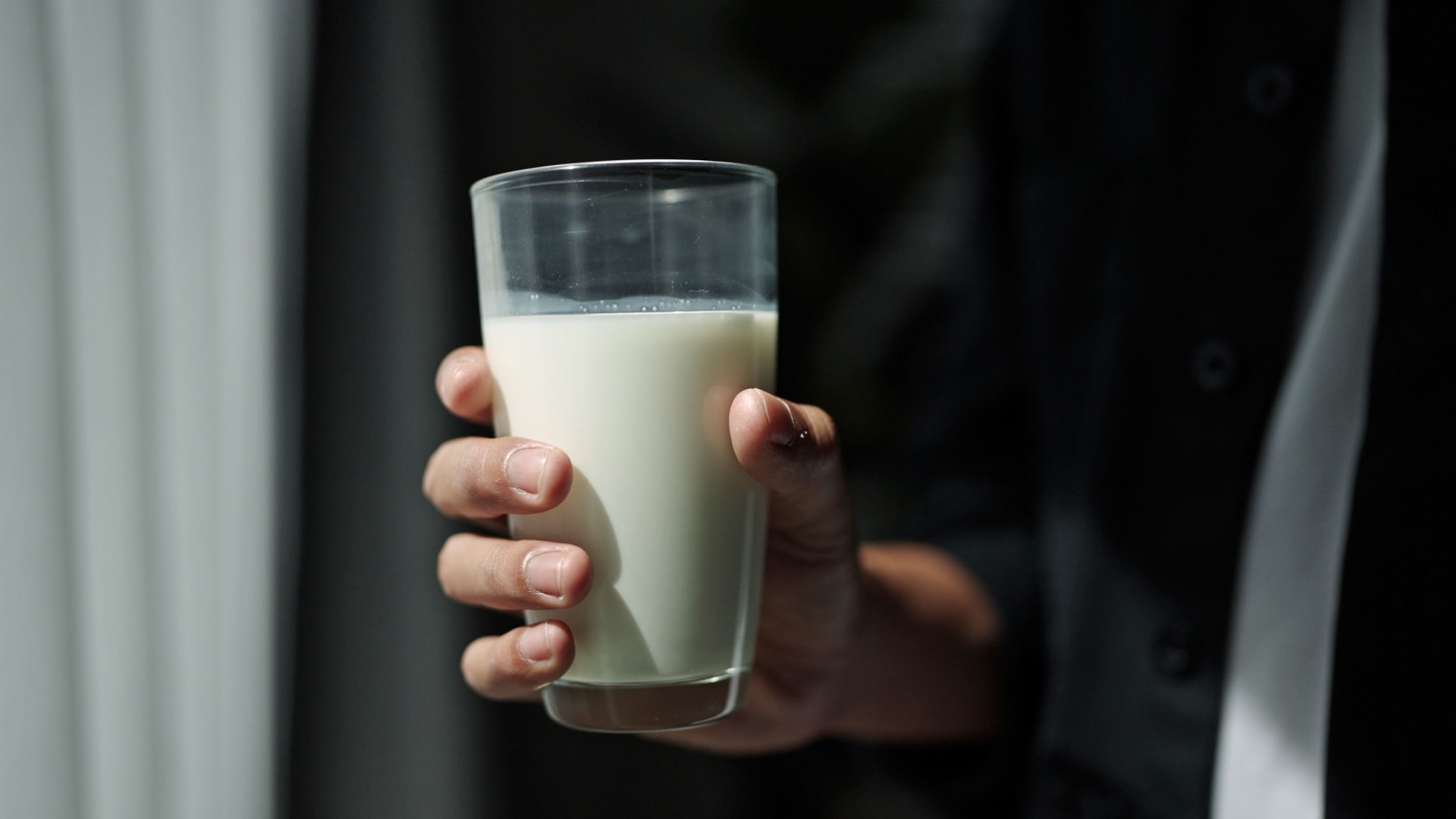
A tragic case in New Mexico, United States, has raised serious health concerns after a newborn died from a suspected bacterial infection linked to raw, unpasteurised milk.
Health experts say the incident highlights hidden risks of consuming untreated dairy during pregnancy.
Doctors worldwide are now reinforcing warnings that pasteurised milk remains the safest option for expecting mothers.
-
What happened: A newborn death in the US has been linked to a likely Listeria infection, with raw milk consumption during pregnancy suspected as the source.
-
Why it matters now: Growing online trends promoting “natural” foods have increased raw milk consumption despite medical warnings.
-
What changes for people: Pregnant women are being advised to strictly avoid unpasteurised dairy products.
-
Who is affected: Pregnant women, newborns, young children, elderly people, and those with weak immunity.
A recent investigation in New Mexico has prompted renewed public health alerts after doctors identified a serious bacterial infection believed to be connected to the mother’s intake of raw milk during pregnancy. While officials said the exact source cannot be confirmed, medical experts consider unpasteurised dairy the most probable cause of exposure to Listeria, a dangerous foodborne bacterium.
Why raw milk is considered high risk during pregnancy
Raw milk is dairy that has not undergone pasteurisation, a heating process used for more than a century to eliminate harmful microbes. Without this step, milk can carry bacteria such as Listeria monocytogenes, E. coli, Salmonella, and Campylobacter.
Doctors warn that infections may appear mild or even unnoticed in pregnant women, but the bacteria can cross the placenta and affect the unborn baby. Possible complications include miscarriage, stillbirth, preterm birth, or severe newborn infections.
Health authorities note that pregnant women are about 10 times more likely to develop listeriosis compared to other healthy adults.
Medical experts stress pasteurisation does not reduce nutrition
Public health agencies say pasteurised milk retains essential nutrients such as calcium, protein, and vitamins while removing harmful pathogens. Scientific reviews have found no proven health benefits of raw milk that outweigh its risks.
Experts also emphasise that pasteurisation:
-
Does not significantly change nutritional value.
-
Does not increase lactose intolerance risk.
-
Does help prevent potentially fatal infections.
Major medical bodies, including paediatric and maternal health organisations, continue to recommend only pasteurised dairy for pregnant women.
Who faces the highest danger from raw milk
Doctors say certain groups are especially vulnerable to infections from unpasteurised dairy:
-
Pregnant women and newborn babies
-
Young children with developing immunity
-
Adults over 65 years
-
People with weakened immune systems or chronic illnesses
Public health data from the United States documented more than 200 outbreaks linked to raw milk between 1998 and 2018, resulting in thousands of illnesses and hospitalisations.
Why social media trends are raising concern among doctors
Raw milk has gained popularity in some online communities promoting natural diets. However, medical experts warn that misinformation about its supposed benefits can put vulnerable populations at risk.
Healthcare professionals stress that traditional safety measures like pasteurisation were introduced precisely to prevent deadly outbreaks linked to contaminated dairy products.
Safety tips doctors recommend
Health agencies advise consumers to:
-
Always choose pasteurised milk and dairy products.
-
Avoid raw milk entirely during pregnancy.
-
Check labels carefully when buying cheese or dairy items.
-
Seek medical care immediately if symptoms appear after consuming raw dairy.
Why this case matters globally
-
Public health: Reinforces long-standing medical advice on food safety during pregnancy.
-
Awareness: Highlights dangers of following unverified nutrition trends.
-
Family safety: Shows how small dietary choices can have serious consequences for newborn health.
Experts say informed decisions about everyday foods remain one of the most effective ways to prevent avoidable illness.