
US-Israel War on Iran: Strikes Intensify, Regional Tensions Soar
Escalating conflict sees strikes, threats, and evacuations across the Middle East.
Top Summary
- What happened: Intense strikes hit Tehran, Beirut, and surrounding areas. A US refuelling aircraft crashed in Iraq, and sirens were heard at a NATO base in Turkey.
- Why it matters: The conflict threatens regional stability, impacting global oil supplies and international relations.
- What changes for people: Increased security risks, potential for further evacuations, and rising global apprehension.
- Who is affected: Civilians in Iran, Lebanon, Iraq, and surrounding countries, as well as global markets.
Escalating Military Action
The US-Israel war on Iran intensified with Israeli strikes hitting Tehran, Shiraz, and Ahvaz. Targets included weapons production and storage sites, and an IRGC command center.
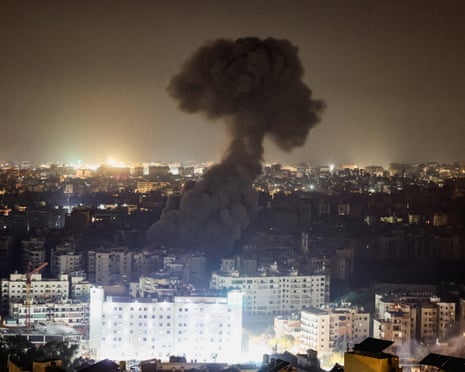
Simultaneously, strikes on Beirut resulted in at least one fatality in the Jnah neighborhood, according to the Lebanese health ministry.
US Aircraft Down, Trump's Stance
US Central Command reported the loss of a military refuelling aircraft in Iraq. The cause is currently under investigation, with hostile fire ruled out.
"The US was 'totally destroying' Iran’s ruling regime – 'militarily, economically and otherwise' – and that it was his 'great honour' to be killing them,"
declared Donald Trump.
Regional Fallout
Sirens wailed at Turkey’s Incirlik air base, a key NATO facility. State-run media reported the event without immediate official comment.
Explosions shook Dubai, followed by a large cloud of smoke over a central industrial area. Authorities described it as a fire.
Casualties and Threats
Emmanuel Macron announced the death of a French soldier in Erbil, Iraq. This marks the first French military death in the ongoing conflict.
The pro-Iranian Ashab Alkahf group threatened French interests in Iraq following the arrival of a French aircraft carrier.
Diplomatic and Economic Responses
Benjamin Netanyahu issued a veiled threat against Iran’s new supreme leader and Hezbollah's leader. He defended the joint US-Israeli military assault.
The US temporarily waived sanctions on Russian oil to address rising global supply concerns. The US Navy is considering escorting vessels through the Strait of Hormuz.
Evacuations and Warnings
The Australian government directed all “non-essential” officials to leave Lebanon. Similar directives were issued for Israel and the United Arab Emirates.
Penny Wong urged Australians to leave the Middle East, stating,
“Don’t wait until it’s too late. It may be the last chance for some time.”
Iranian Response
Iran’s Revolutionary Guards threatened a “stronger” response to any new protests. This followed warnings of potential unrest.
The statement promised “a stronger blow than on January 8” in the event of new unrest.
Oman Drone Incident
Two people were killed in Oman after air defenses intercepted a drone over the Al Awahi industrial area. A second drone was also shot down without injuries.
What to Watch Next
The world is closely watching for further military escalations and diplomatic interventions to de-escalate the conflict. The focus will also be on the global economic impact, particularly concerning oil supplies and market stability.