
US, Israel Strike Iran: Tehran Rocked by Explosions, Nuclear Deal in Peril
US and Israel launch coordinated missile strike on Iran.
Top Summary
- What happened: The US and Israel launched a coordinated missile strike, codenamed Operation Roar of the Lion, on key government and military targets in Iran, including Tehran.
- Why it matters: The attack dramatically escalates tensions, potentially triggering a wider Middle East conflict and jeopardizing ongoing nuclear deal negotiations.
- What changes for people: Mobile phone services are cut, airspace is closed, and a state of emergency is declared in Israel, disrupting daily life. US citizens in Qatar and Bahrain are under shelter-in-place orders.
- Who is affected: The populations of Iran and Israel are directly affected, as well as US personnel in the Middle East. Global markets and international relations are also impacted.
Operation Roar of the Lion: US and Israel Strike Iran
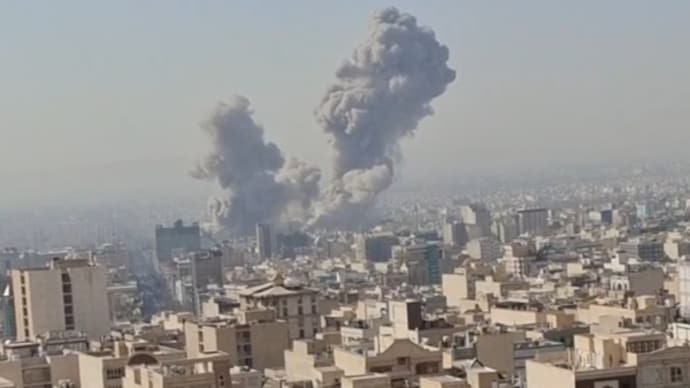
In a dramatic escalation of tensions, the United States and Israel launched a coordinated missile strike on Iran on Saturday. The attack, codenamed Operation Roar of the Lion, targeted key government and military establishments across the country. Massive explosions were reported in Tehran and multiple other cities.
The strikes immediately triggered retaliatory missile launches from Iran, according to Israeli officials. Israel's air defense systems are actively intercepting incoming threats. Supreme Leader Ayatollah Ali Khamenei was reportedly moved to a secure location following the initial attacks.
Targets in Tehran and Beyond
Key targets included the office of Supreme Leader Ayatollah Ali Khamenei and the Iranian President. Other targets in central and eastern Tehran include:
- Ministry of Intelligence
- Ministry of Defence
- Iranian Atomic Energy Agency
- Parchin military complex
The Isfahan site, housing Iran's Nuclear Technology and Research Centre, was also targeted. Other locations hit include Tabriz, Bushehr, Qom, Karaj, and Kermanshah. Plumes of smoke were seen rising from these sites. Mobile phone services have been cut in eastern and western Tehran.
US Justification and Iranian Response
US President Donald Trump confirmed the attacks. He asserted that Iran "can never have a nuclear weapon."
"Our objective is to defend the American people by eliminating imminent threats from the Iranian regime," he said.
President Trump alleged Iran attempted to rebuild its nuclear program. He vowed to destroy Iran’s missiles, dismantle its missile industry, and eliminate its naval capabilities. Tehran officials responded sharply, saying their "response will be crushing" for Israel and the US.
Israel Declares State of Emergency
Israeli Defence Minister Israel Katz stated the operation aimed to neutralise threats posed by Iran. "The State of Israel launched a pre-emptive attack against Iran to remove threats to the State of Israel," he said. The operation was coordinated with the US.
Anticipating retaliation, Israel declared a state of emergency. Air raid sirens sounded across the country. A "prohibition on educational activities, gatherings, and workplaces" was announced. Several hospitals activated emergency protocols, moving patients and surgeries underground.
US Military Buildup and Regional Impact
The US Embassy in Qatar and Bahrain implemented shelter-in-place for all personnel. They recommended that all of its citizens do the same. The US has amassed a significant amount of military personnel and ammunition in the Middle East. This deployment includes multiple advanced frigates and fighter jets.
Analysts suggest this buildup could indicate preparations for a full-scale military operation lasting for weeks. It wasn't immediately clear if Iran would immediately strike back. Iran had warned that American military personnel and bases across the region would be targets for any retaliation.
Background and Future Implications
The strike follows a 12-day aerial conflict between Israel and Iran in June. This marked one of the most direct confrontations between the adversaries. The escalation follows repeated warnings from the US and Israel regarding Iran's nuclear and ballistic missile programs.
Washington and Tehran had resumed negotiations in February to resolve the dispute diplomatically. Israel insists on complete dismantling of Iran’s nuclear infrastructure. Iran is willing to discuss limits on its nuclear activities for sanctions relief but rejects negotiations over its missile program. Iran has warned neighboring countries hosting US forces that they could become targets if American bases are used to launch attacks.
What to Watch Next
The immediate focus will be on the scale and nature of Iran's response. International diplomacy will likely intensify to de-escalate the situation and prevent a wider regional war. Monitor news reports in the coming hours for updates on retaliatory attacks and diplomatic initiatives.