
US, Iran Trade Air Strikes Near Strait of Hormuz Amidst Stalled Peace Talks
US and Iran exchange airstrikes near the Strait of Hormuz.
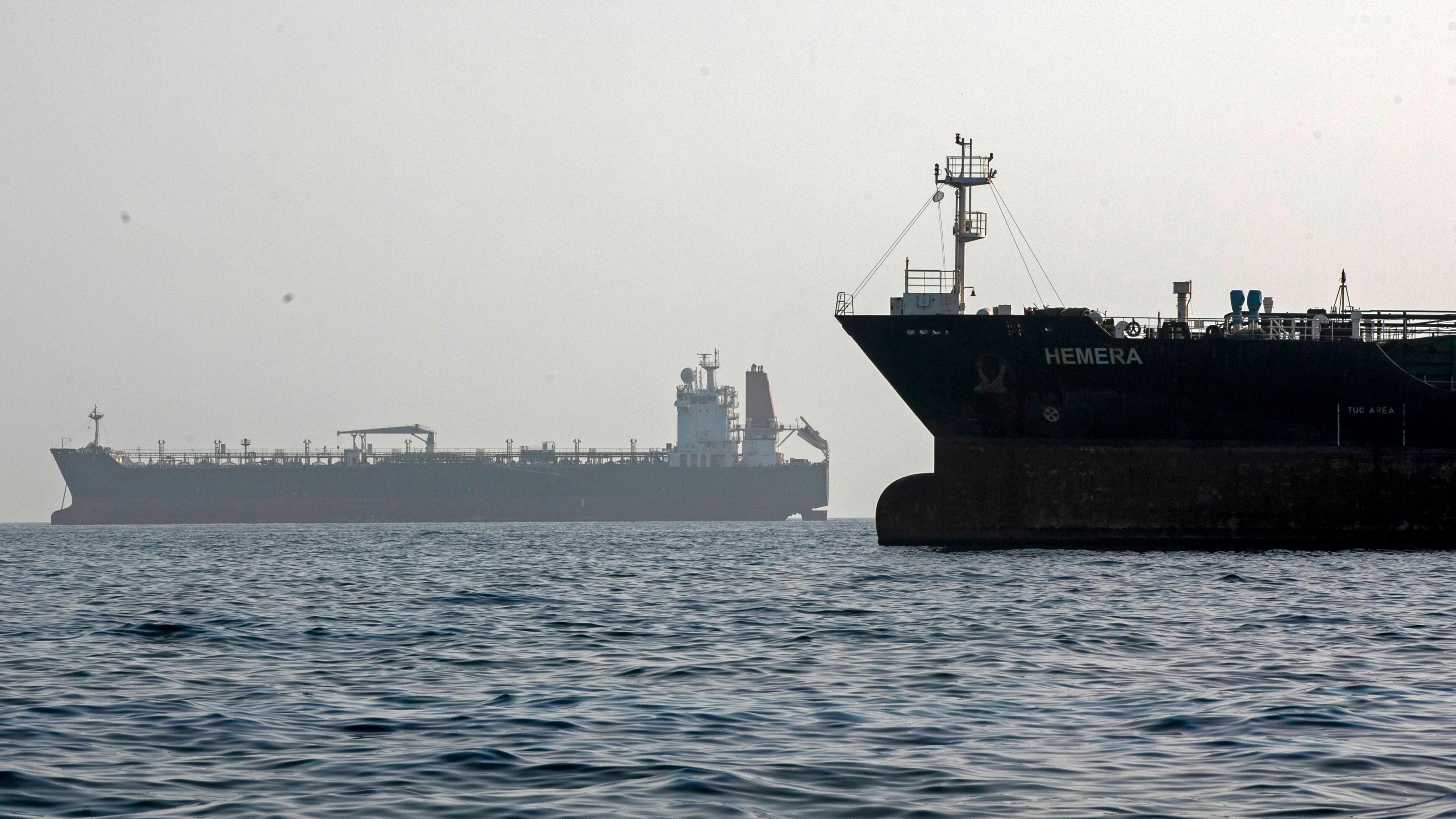
Top Summary
- What happened: The US and Iran resumed air strikes, each claiming to target military assets near the Strait of Hormuz.
- Why it matters: The renewed conflict threatens stability in a critical waterway for global oil supply and complicates ongoing peace efforts.
- What changes for people: Increased tensions raise concerns about maritime security and potential disruptions to international trade routes.
- Who is affected: US military personnel, Iranian military personnel, and international shipping companies are directly affected.
Tit-for-Tat Strikes in Gulf
Air strikes between the US and Iran have resumed over the weekend, escalating tensions in the already volatile region near the Strait of Hormuz.
Both sides claim to have targeted military installations. The timing coincides with stalled peace negotiations.
US Targets Iranian Drone Capabilities
The US Central Command (Centcom) reported conducting "self-defense strikes" targeting Iranian radar, command, and control sites for drones.
The strikes occurred in Goruk, Iran, and Qeshm Island.
Centcom stated the actions were in response to "aggressive Iranian actions", including the downing of a U.S. MQ-1 drone "operating over international waters".
"US fighters struck the Iranian military's air defences, a ground control station and two drones that it said 'posed a clear threat to ships transiting through regional waters'."
Centcom also confirmed that no American servicemen or women were injured in the attacks.
Iran Retaliates, Hits US Airbase
Iran's Islamic Revolutionary Guard Corps (IRGC) claimed responsibility for striking an air base used by US forces.
The IRGC did not disclose the location of the airbase.
The IRGC said the strike was in retaliation for the US attack on its communications tower on Sirri Island in the Gulf, approximately 40 miles (65km) from Iran's southern coastline.
Peace Deal Remains Elusive
Earlier reports in US media indicated that President Donald Trump had requested "edits" to the latest terms of a proposed peace deal.
There are currently no signs of a breakthrough in negotiations. Escalating military actions undermine diplomatic efforts.
What to Watch Next
The international community will be closely monitoring the Strait of Hormuz for further escalation and disruptions to shipping. The future of peace negotiations hinges on whether both sides can de-escalate tensions and return to the negotiating table.