
US-Iran Tensions: Trump Claims Talks, Tehran Denies, Oil Prices Fluctuate
Conflicting reports emerge on US-Iran talks amid ongoing military actions.
Top Summary
- What happened: Donald Trump claimed discussions with Iran are ongoing, hinting at a potential broader agreement.
- Why it matters: The conflicting narratives from the US and Iran create uncertainty in the Middle East and global oil markets.
- What changes for people: Fluctuating oil prices impact consumers; potential de-escalation could ease regional tensions.
- Who is affected: Global financial markets, Gulf countries (Bahrain, Saudi Arabia, Kuwait), and Iranian citizens.
Trump Claims Progress, Iran Denies Talks
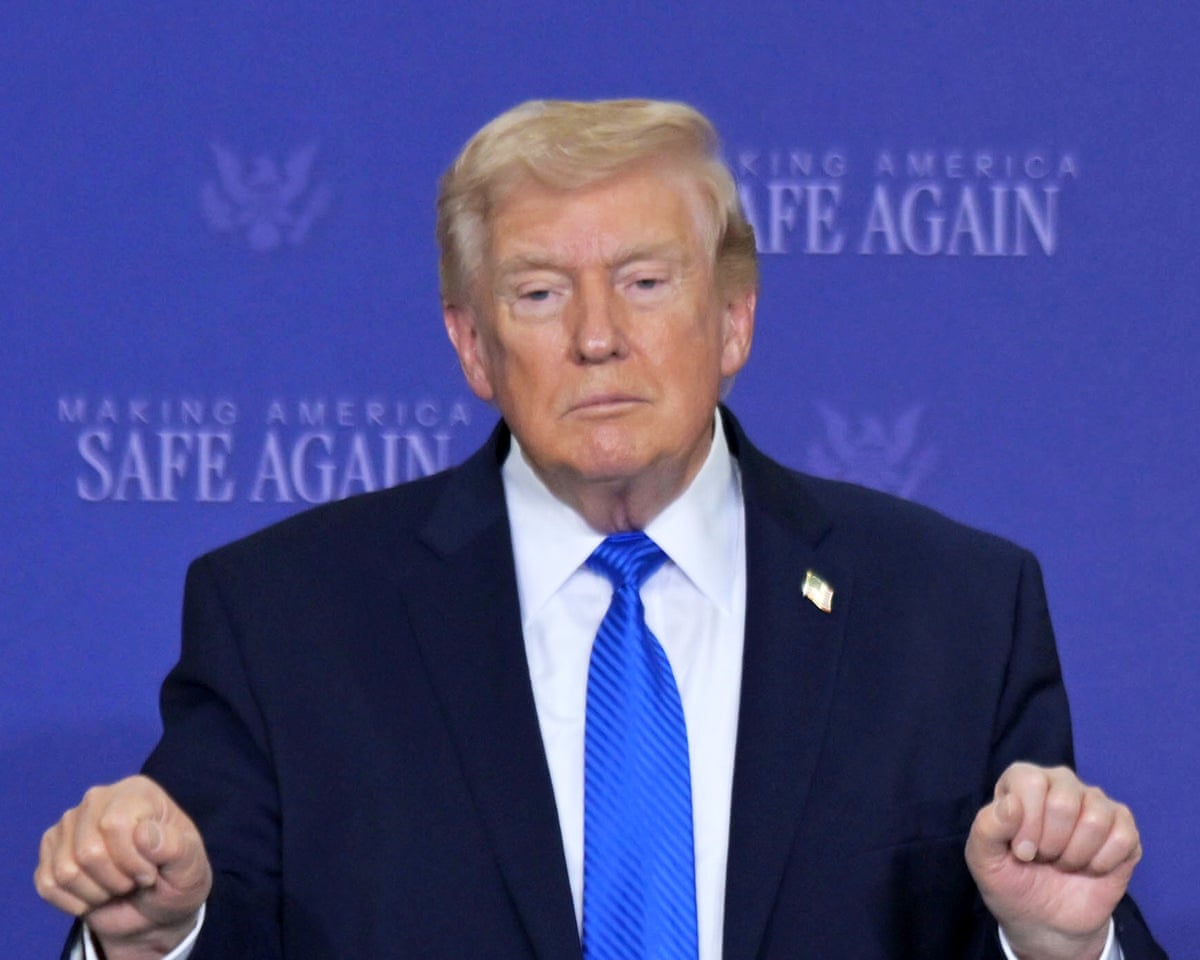
US President Donald Trump stated that discussions are underway with Iran to determine if a broader agreement can be reached.
Trump suggested, "this time, Iran means business; they want to settle. They want peace."
However, Tehran swiftly refuted these claims. Iran's parliamentary speaker labeled them "fake news".
The Iranian speaker stated that such claims are being “used to manipulate financial and oil markets”.
Oil Market Volatility
Oil prices experienced significant fluctuations following Trump’s statements and subsequent actions.
Oil prices dropped by about 11 percent after Trump announced a delay to attacks on Iranian power plants.
The delay was reportedly for five days, coinciding with his claims of potential talks.
Continued Military Actions
Despite Trump's claims of potential dialogue, military actions continue.
US Central Command stated that US forces "continue to aggressively strike" targets in Iran.
Simultaneously, Iranian missiles and drones reportedly targeted Gulf countries overnight, including Bahrain, Saudi Arabia, and Kuwait.
What to Watch Next
Monitor upcoming statements from both the US and Iranian governments for clarity on the status of any potential negotiations. Further military actions and reactions from Gulf states will be critical indicators of escalating or de-escalating tensions in the region.