
US and Iran Set For Friday Talks in Oman After Earlier Dispute Over Format and Venue
The meeting, hosted by Oman, comes after days of uncertainty, shifting locations, and disagreements over the framework of engagement. Iran’s Foreign Minister Abbas Araghchi publicly...
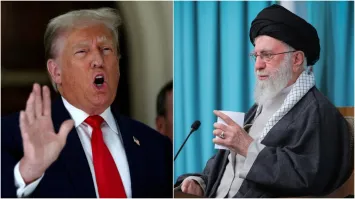
The meeting, hosted by Oman, comes after days of uncertainty, shifting locations, and disagreements over the framework of engagement. Iran’s Foreign Minister Abbas Araghchi publicly thanked Oman for stepping in, signalling that the talks have been stabilised despite earlier tensions.
Top Summary
What happened: The US and Iran confirmed they will hold talks in Muscat, Oman on Friday after earlier doubts about the venue and structure.
Why it matters now: These discussions revive stalled diplomatic engagement amid rising regional tensions and disagreement over the meeting’s agenda.
What changes for people: A breakthrough could ease Gulf-region instability, influence oil markets and revive nuclear-related negotiations.
Who is affected: Diplomats from United States, Iran, mediators in Oman, and countries relying on Gulf security and energy flows.
After days of uncertainty, Washington and Tehran have locked in their next diplomatic engagement, confirming that talks will be held in Muscat on Friday. The announcement follows conflicting reports suggesting the negotiations were faltering due to disagreements over location and format.
Iran confirms talks after initial confusion
Iran’s Foreign Minister Abbas Araghchi confirmed via X that negotiations would proceed as scheduled.
He thanked Oman for arranging the meeting, indicating Muscat’s continuing role as a neutral mediator in US–Iran diplomacy.
Earlier on Wednesday, media reports claimed the talks were “falling apart,” raising doubts about whether they would occur at all.
US acknowledges the meeting after shifting expectations
White House officials also confirmed that US representatives will attend Friday’s meeting in Oman.
Just days earlier, US officials had suggested Turkey as a likely venue, reflecting the fluid and tense nature of ongoing negotiation efforts.
Officials did not disclose the final discussion agenda, noting that both sides remain divided over what issues should be prioritised — especially nuclear commitments and regional security.
Why Oman matters
Muscat has long served as a trusted diplomatic channel between Washington and Tehran. Its neutral posture, regional credibility and history of backchannel mediation make it a natural host for sensitive discussions.
Analysts say the confirmation of the venue suggests both sides want to keep diplomatic doors open despite rising friction across the Middle East.
Backdrop: rising tensions and fragile diplomacy
The talks come amid:
Heightened US–Iran tensions in the Gulf
Intensifying drone and naval incidents
Ongoing disputes over nuclear restrictions
Pressure from allies to stabilise regional security
Although neither side expects an immediate breakthrough, simply holding the meeting is viewed as a positive step toward preventing escalation.