
US Aircraft Downed by Iran: Tensions Surge in Middle East Conflict
Iran downs two US military planes, escalating the ongoing conflict.
Top Summary
- What happened: Iran shot down two US military planes in separate attacks. One service member was rescued, another is missing.
- Why it matters: This marks the first time US aircraft have been downed in the conflict, signaling a significant escalation.
- What changes for people: Rising oil prices and potential increases in the cost of basic goods are expected. Stock markets are volatile.
- Who is affected: US military personnel, Gulf states, global economy, and civilians in conflict zones are impacted.
US Aircraft Downed: A Dramatic Escalation
Tensions have dramatically escalated after Iran shot down two US military planes on Friday. This marks the first time US aircraft have been downed in the nearly five-week-old conflict.
One fighter jet was shot down inside Iran. A US crew member was rescued, but one remains missing, triggering a US military search-and-rescue operation.
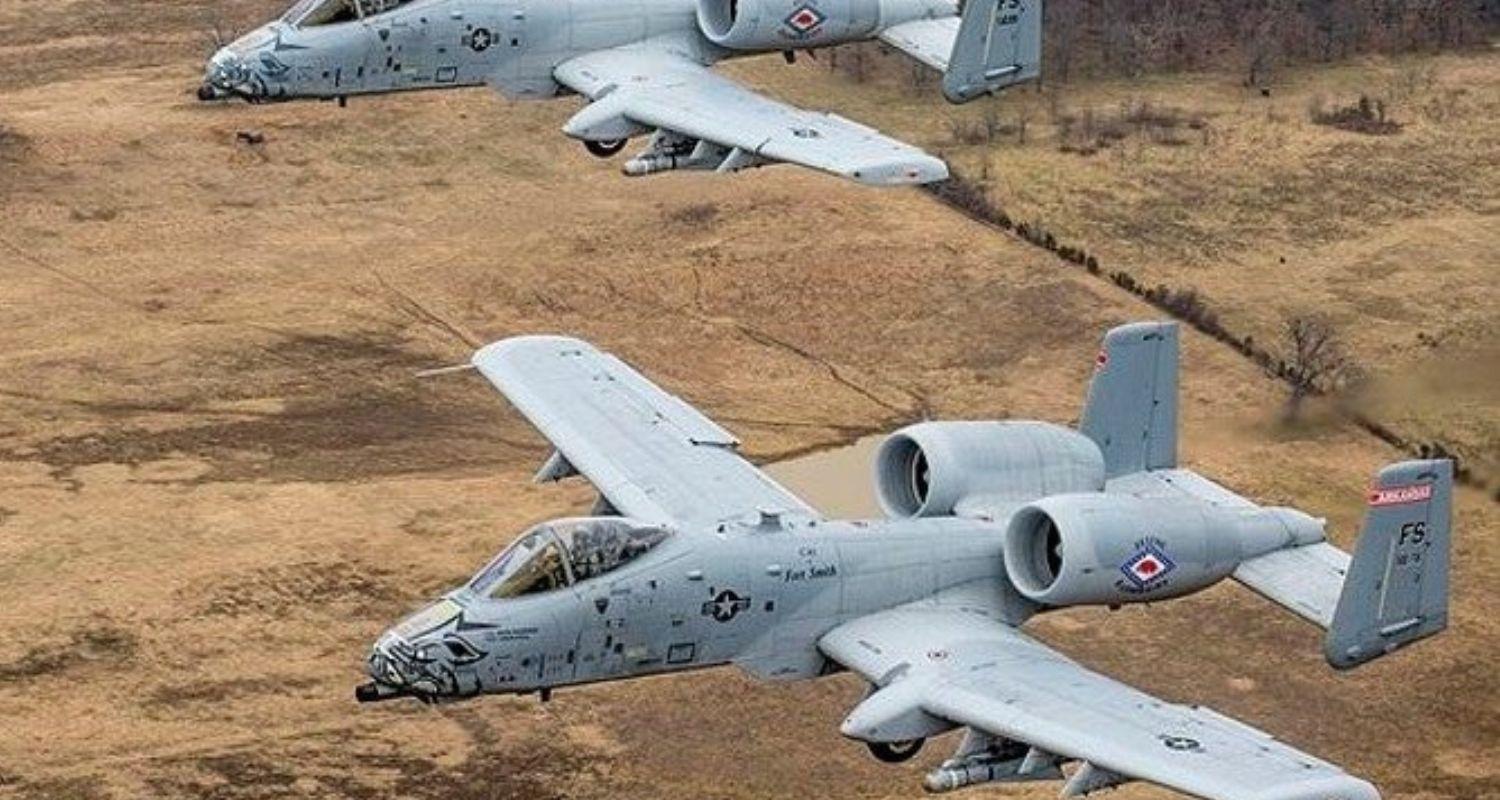
Separately, Iranian state media reported that a US A-10 attack aircraft crashed in the Persian Gulf. The status of the crew is unknown.
Trump's Response: "It's War"
Despite the downed aircraft, President Trump stated that the events would not affect negotiations with Iran.
"No, not at all. No, it's war,"
he told NBC News in a brief telephone interview.
Neither the White House nor the Pentagon has released detailed information about the incidents. White House press secretary Karoline Leavitt stated that Trump had been briefed.
Trump posted messages on social media about Iran but made no direct mention of the downed aircraft or rescue efforts.
Attacks Across the Middle East
The downings coincided with Iranian attacks on targets across the Middle East. These attacks targeted Israel and its Gulf Arab neighbours.
Kuwait’s Mina al-Ahmadi oil refinery was attacked, with firefighters battling multiple blazes. A desalination plant also sustained “material damage.” These plants supply most drinking water for Gulf states.
Sirens sounded in Bahrain. Saudi Arabia claimed to have destroyed several Iranian drones. Israel reported incoming missiles. Authorities in the United Arab Emirates shut down a gas field after a missile interception caused a fire.
Economic Impact and Strait of Hormuz
Iran's actions, including its grip on the Strait of Hormuz, have sent shockwaves through the global economy. The strait is a critical route for a fifth of the world's oil and natural gas.
Brent crude prices are around USD 109, up more than 50% since the war began. Trump has stated,
"With a little more time, we can easily OPEN THE HORMUZ STRAIT, TAKE THE OIL, & MAKE A FORTUNE."
The UN Security Council is expected to address the situation on Saturday.
Casualties and Ongoing Conflict
More than 1,900 people have been killed in Iran since the war began on February 28. Over two dozen have died in Gulf states and the occupied West Bank. 19 deaths have been reported in Israel, and 13 US service members have been killed.
In Lebanon, where Israel is fighting Hezbollah, an Israeli drone strike killed two people near Beirut. Over 1,300 people have been killed and over one million displaced in Lebanon. Ten Israeli soldiers have also died there.
What to Watch Next
The immediate focus remains on the search-and-rescue operation for the missing US service member. International pressure is mounting on Iran to de-escalate tensions and allow free passage through the Strait of Hormuz, with the UN Security Council expected to take up the matter soon.