
UGC Row Deepens: Bureaucrat Quits, BJP Leader Resigns as Protests Spill Beyond Campuses
New Delhi: The controversy surrounding the University Grants Commission’s (UGC) new higher education regulations has intensified, moving beyond student protests to trigger resignations within the...
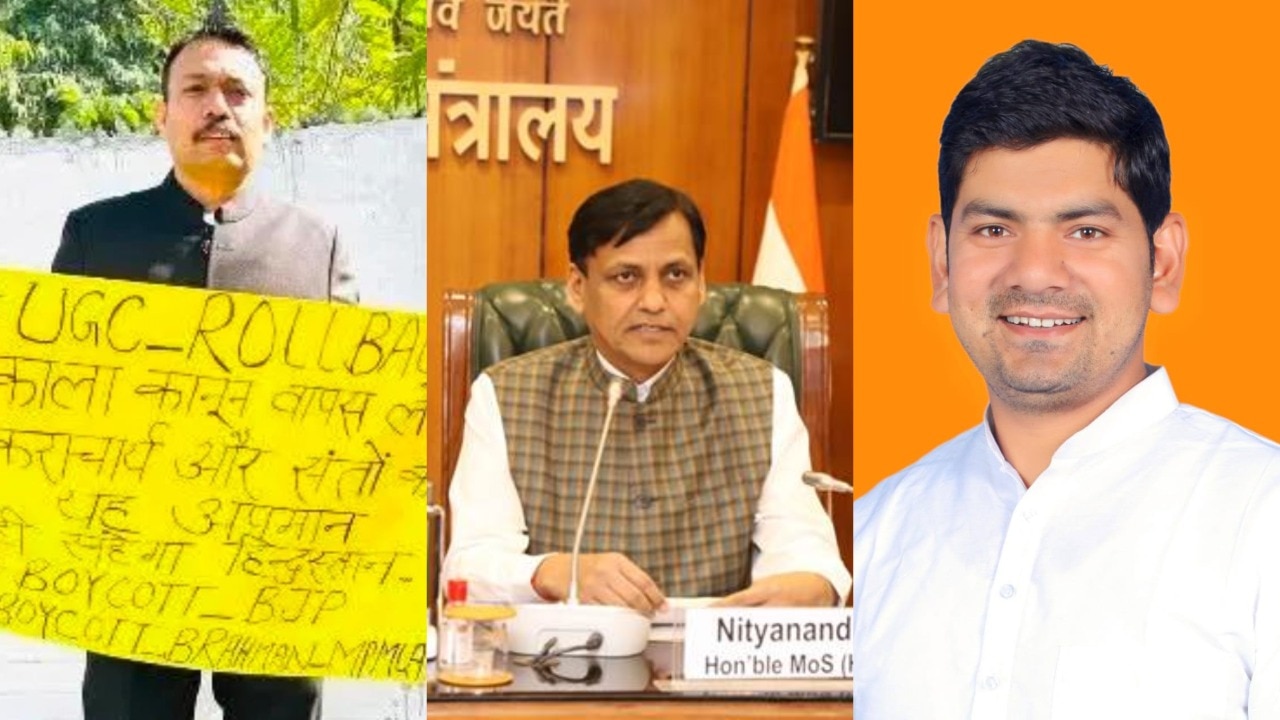
New Delhi: The controversy surrounding the University Grants Commission’s (UGC) new higher education regulations has intensified, moving beyond student protests to trigger resignations within the administration and political ranks, and putting the Centre under mounting pressure to respond.
What began as a policy push aimed at strengthening safeguards against caste-based discrimination on campuses has now turned into a nationwide political and administrative flashpoint, with dissent growing across states.
Resignations fuel political storm
The crisis escalated after a district magistrate in Uttar Pradesh resigned from service, publicly alleging that the new UGC rules were unfair and discriminatory towards upper-caste students. Soon after, the state administration suspended the officer, a move that further inflamed the debate and drew sharp reactions from both supporters and critics of the regulations.
Adding to the pressure, a BJP youth wing leader also tendered his resignation, arguing that the guidelines were deepening social divisions rather than promoting reform, and that concerns raised by students and faculty were being ignored. A senior party functionary has also distanced himself from the policy, signalling discomfort within the ruling establishment.
What are the new UGC regulations?
At the centre of the controversy are the UGC’s “Equity in Higher Education Institutions Regulations, 2026”, which mandate:
-
Mandatory Equal Opportunity Centres in all universities
-
Dedicated Equity Committees to address caste-based discrimination
-
24/7 grievance redressal helplines, particularly for SC, ST and OBC students
-
Strict penalties, including withdrawal of funding or recognition, for institutions that fail to comply
The UGC has said the measures are necessary to ensure fairness, inclusion and accountability in higher education institutions.
Why are they being opposed?
Critics of the regulations argue that while the intent may be sound, the framework is flawed. Key concerns include:
-
Lack of clear safeguards for those accused of discrimination
-
Risk of presumption of guilt, particularly for general-category students and faculty
-
Vague definitions that could allow misuse of grievance mechanisms
-
Severe penalties that could be imposed without adequate due process
These concerns have led to calls for the rules to be rolled back, paused, or reviewed through wider consultations with stakeholders.
Government response under scrutiny
When questioned on the growing unrest, Minister of State for Home Affairs Nityanand Rai avoided a direct answer on whether the Centre would reconsider or amend the regulations. While government sources maintain that the intent is to protect vulnerable students, no clear timeline has been announced for consultations or revisions.
From campuses to corridors of power
What started as an education policy reform has now become a broader ideological and political confrontation—pitting the need to address caste discrimination against fears of regulatory overreach, lack of due process, and increased polarisation on campuses.
With resignations piling up, protests spreading, and criticism emerging even from within the system, pressure is building on the Centre and the UGC to clarify whether the regulations will remain unchanged or undergo a rethink in the coming weeks.