
UAE Denies Netanyahu’s Claim Of Secret Wartime Visit During Israel-Iran Conflict
Benjamin Netanyahu’s office claimed that he secretly visited the United Arab Emirates during the Israel-Iran conflict for talks with UAE President Mohammed bin Zayed Al...
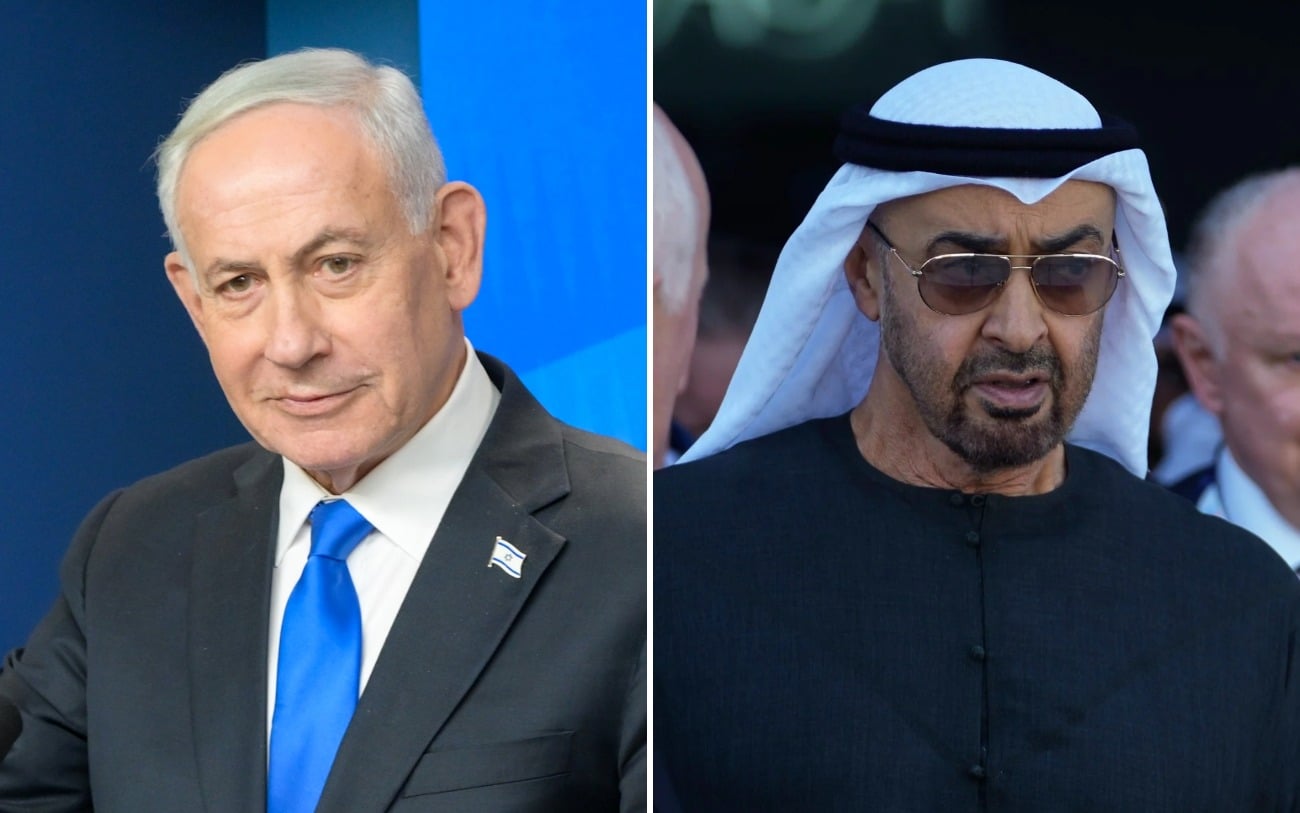
Benjamin Netanyahu’s office claimed that he secretly visited the United Arab Emirates during the Israel-Iran conflict for talks with UAE President Mohammed bin Zayed Al Nahyan, but Abu Dhabi swiftly denied that any such visit ever took place.
What happened
- Netanyahu’s office said a secret meeting occurred in Al Ain on March 26
- The talks were described as a “historic breakthrough” during the regional conflict
- The Israeli statement claimed discussions focused on security coordination and regional cooperation
- UAE officials quickly rejected the claims publicly
UAE’s response
The UAE foreign ministry issued a formal denial stating:
- Netanyahu did not visit the UAE
- No Israeli military delegation was secretly hosted
- Claims of undisclosed arrangements were “entirely unfounded” unless officially announced by UAE authorities
The UAE also stressed that relations with Israel continue openly under the framework of the:
Abraham Accords
Why the issue gained attention
The conflicting statements emerged amid reports of:
- Growing security coordination between Israel and Gulf states during the Iran conflict
- Missile and drone attacks across the region
- Increased regional military cooperation after Iranian retaliation
Reports of security cooperation
According to international reports:
- Dedi Barnea reportedly visited the UAE multiple times during the conflict
- Israel allegedly deployed an Iron Dome battery and military personnel to the UAE during the war
- The deployment was reportedly aimed at helping defend against regional missile threats
This was described as the first overseas deployment of Israel’s Iron Dome system.
Why the UAE may be distancing itself
While UAE-Israel relations have expanded significantly since normalization in 2020, Abu Dhabi has also attempted to maintain political balance amid:
- Regional tensions with Iran
- Public sensitivities around the Gaza conflict
- Wider Middle East diplomatic pressures
Analysts say the UAE may prefer avoiding public perception of deep wartime military alignment with Israel.
Why it matters
The episode highlights the increasingly complex geopolitical relationships forming in the Middle East, where public diplomacy, security cooperation, and regional tensions often intersect behind closed doors.
What changes
- Questions around covert regional diplomacy are intensifying
- Israel-Gulf security ties continue attracting global attention
- Iran-related regional alliances remain under close scrutiny
Who is affected
- Israel and UAE leadership
- Gulf regional security partnerships
- Iran and wider Middle East diplomacy
- International observers monitoring West Asia tensions
What to watch next
Attention will now focus on whether additional evidence emerges regarding the alleged meeting, how Israel and the UAE manage public messaging around their partnership, and whether regional security coordination deepens further amid continuing Middle East instability.