
UAE Announces Full Military Withdrawal from Yemen Amid Rift with Saudi Arabia Over Southern Separatists
The United Arab Emirates has announced it is withdrawing its remaining military personnel from Yemen, formally ending what it described as its counterterrorism mission, after...
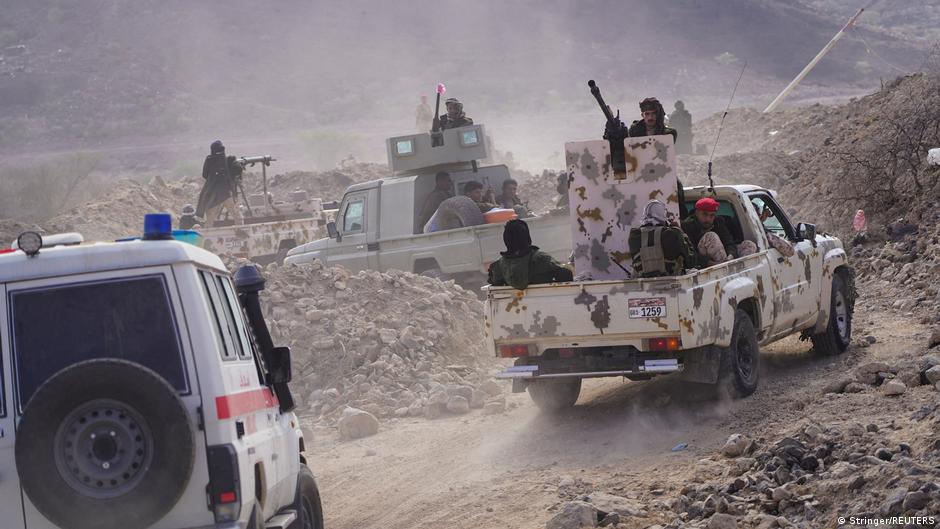
The United Arab Emirates has announced it is withdrawing its remaining military personnel from Yemen, formally ending what it described as its counterterrorism mission, after a sharp escalation in tensions with Saudi Arabia over Abu Dhabi’s alleged backing of southern Yemeni separatists. The move marks a significant fracture within the Saudi-led coalition that has intervened in Yemen’s civil war since 2015 and raises fresh questions about the future stability of the war-torn country.
Withdrawal Triggered by Rapid Escalation
The UAE’s decision was announced on Tuesday by its Ministry of Defence, hours after Yemen’s internationally recognised government demanded that Emirati forces leave the country within 24 hours. That demand was publicly endorsed by Saudi Arabia, Yemen’s principal military backer.
The diplomatic rupture followed Saudi-led coalition air strikes on the southern port city of Mukalla earlier the same day. Riyadh said the strikes targeted a shipment of weapons allegedly linked to the UAE and destined for the Southern Transitional Council (STC), a powerful separatist group seeking to establish an independent state in southern Yemen. The UAE has denied that the shipment contained weapons or that it was intended for the STC.
Saudi Arabia Raises National Security Concerns
Saudi officials accused Abu Dhabi of exerting pressure on the STC to expand its military operations into the eastern provinces of Hadramout and Mahara—strategically sensitive regions bordering Saudi Arabia and Oman. In a strongly worded statement, Riyadh said such actions posed a direct threat to Saudi national security and warned that it would take all necessary measures to counter any perceived danger.
Analysts say Saudi Arabia is particularly sensitive to developments in Hadramout and Mahara because of their proximity to its borders and their importance as potential corridors for arms smuggling and regional influence.
UAE Cites Safety and Effectiveness of Mission
In its statement, the UAE Ministry of Defence said it had conducted a comprehensive assessment of its role in Yemen and concluded that ending the deployment was the most responsible course of action. The ministry said the decision was taken voluntarily and prioritised the safety of Emirati personnel, citing recent developments that could undermine the effectiveness of counterterrorism operations.
The UAE stressed that it remains committed to regional stability and to Saudi Arabia’s security, and said it was seeking to prevent further escalation through coordination and dialogue based on verified information.
Background: A Fractured Coalition
The Saudi-led coalition was formed in 2015 to restore Yemen’s internationally recognised government after Houthi rebels seized the capital, Sanaa, and much of northern Yemen. While Saudi Arabia and the UAE were initially aligned, their strategic priorities have increasingly diverged.
The UAE formally scaled back most of its troops in 2019 but retained influence through local allies, particularly the STC, which controls large parts of southern Yemen. The STC initially fought alongside government forces against the Houthis but has since turned its focus on southern independence.
This month, the STC launched a major offensive against Saudi-backed government troops, seizing significant territory in southern Yemen and effectively ending a long-standing military stalemate.
Yemeni Government and STC at Odds
Following the Mukalla air strike, Rashad al-Alimi, head of Yemen’s Presidential Leadership Council, announced the dissolution of a defence agreement with the UAE and ordered Emirati forces to leave the country. In a televised address carried by state media, al-Alimi accused Abu Dhabi of directing and supporting the STC’s rebellion against the Yemeni state.
Saudi Arabia backed al-Alimi’s position and called on the UAE to halt any military or financial assistance to armed groups in Yemen.
The STC, however, rejected calls to withdraw from the areas it recently seized. Its spokesperson, Anwar al-Tamimi, told AFP that the group considers itself the legitimate authority in the south and warned that any attempt to dislodge its forces would be met with resistance.
Regional and International Reactions
Qatar welcomed statements from both Saudi Arabia and the UAE, saying they signaled a commitment to regional stability and the principles of cooperation within the Gulf Cooperation Council (GCC), which includes Saudi Arabia, the UAE, Qatar, Bahrain, Kuwait and Oman.
Saudi Foreign Minister Prince Faisal bin Farhan also held phone calls with US Secretary of State Marco Rubio and Pakistan’s Foreign Minister Ishaq Dar to discuss regional developments, according to official readouts—an indication of international concern over the sudden deterioration within the coalition.
Why This Matters
The UAE’s withdrawal underscores the fragility of alliances in Yemen’s decade-long conflict and highlights the risk of further fragmentation in a country already suffering one of the world’s worst humanitarian crises. For regional security, the episode exposes growing competition for influence in southern Yemen, a strategically vital area near key shipping routes.
For international observers, the rift raises questions about the future coherence of the Saudi-led coalition and the prospects for any comprehensive peace process. With Houthis entrenched in the north and separatists consolidating power in the south, Yemen’s territorial unity appears increasingly uncertain.
As diplomatic efforts intensify to prevent further escalation, the coming weeks will be critical in determining whether the crisis between Riyadh and Abu Dhabi can be contained—or whether it marks a lasting realignment in the Middle East’s most complex conflict.