
U-19 World Cup: Parents of USA Cricketers Sing Jana Gana Mana Before India Match
What happened: Parents of American U-19 cricketers sang India’s national anthem ahead of India vs USA match. Why it matters now: Highlights the growing South...
-
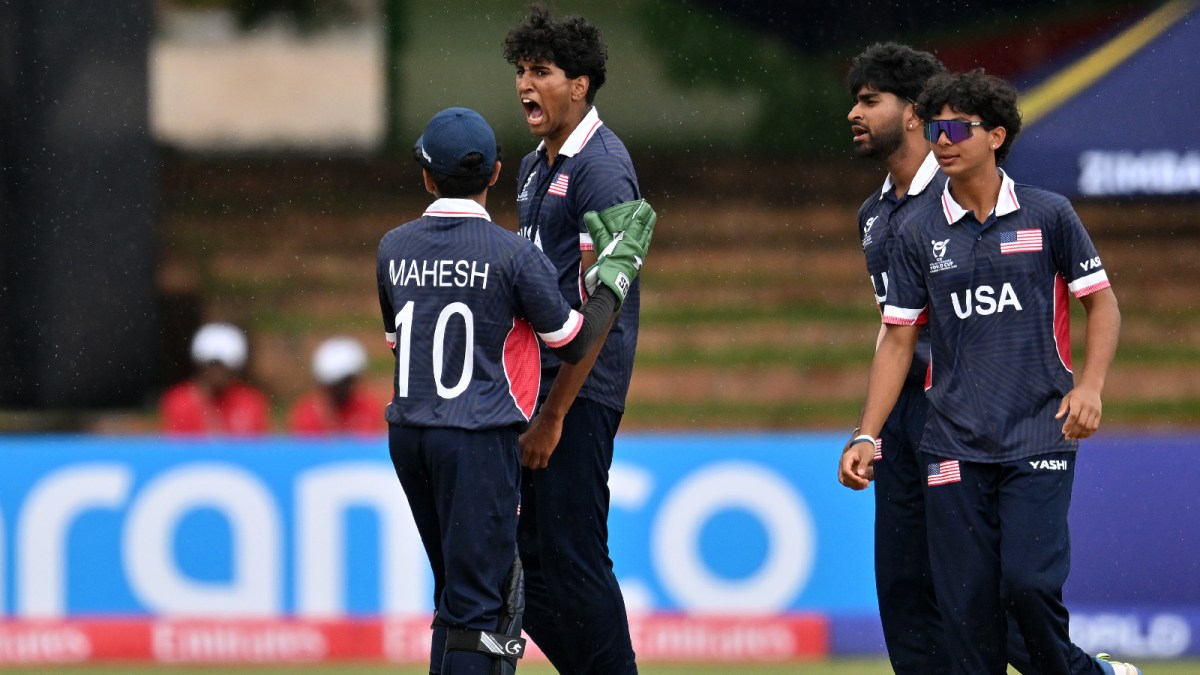
What happened: Parents of American U-19 cricketers sang India’s national anthem ahead of India vs USA match.
-
Why it matters now: Highlights the growing South Asian influence in global cricket, even among diaspora players.
-
What changes for people: Shows how cultural roots shape sporting identity, regardless of nationality.
-
Who is affected: Players, their families, and fans tracking U-19 World Cup matches worldwide.
In a unique moment at the U-19 World Cup opener between India and the USA, the parents of most American players joined in singing Jana Gana Mana, reflecting their Indian heritage despite the USA flag on their children’s jerseys. The gesture underlined the deep South Asian connections in cricket worldwide.
South Asians now make up a significant portion of players in associate and established cricketing nations. Of the 240 cricketers in the tournament, 60 hail from India, Pakistan, Sri Lanka, and Bangladesh, and 32 others trace South Asian roots, including 28 from India. This includes teams like Australia and New Zealand, which have seen increasing participation from South Asian-origin players.
For instance, John James, an Australian all-rounder with parents from Kerala, identifies fully as Australian while maintaining ties to his heritage. His parents worked long hours as nurses while supporting his cricket training. Similarly, New Zealand’s Snehith Reddy, born to parents from Andhra Pradesh, balances cultural pride with his national cricketing career.
The trend reflects a broader integration of South Asians into global cricket, with diasporas influencing talent pipelines, team dynamics, and cultural representation. England’s U-19 team also includes players of Pakistani descent, supported by the England and Wales Cricket Board’s South Asian Communities Action Plan. Experts note this diversification strengthens the sport and inspires youth globally.
The U-19 World Cup, hosted by Zimbabwe and Namibia, continues to be a stage where cultural identity and cricketing excellence intersect. For players and families, this means balancing national allegiance with ancestral pride, enriching the tournament’s narrative beyond the matches.
What to watch next: India continues its campaign against the USA. Keep an eye on how players from diaspora communities influence team strategies and fan engagement in the U-19 World Cup.