
Turmeric: A Spice That May Help Reduce Cancer Risk
According to the American Cancer Society, over 2 million people in the U.S. are expected to be diagnosed with cancer this year. While age and...
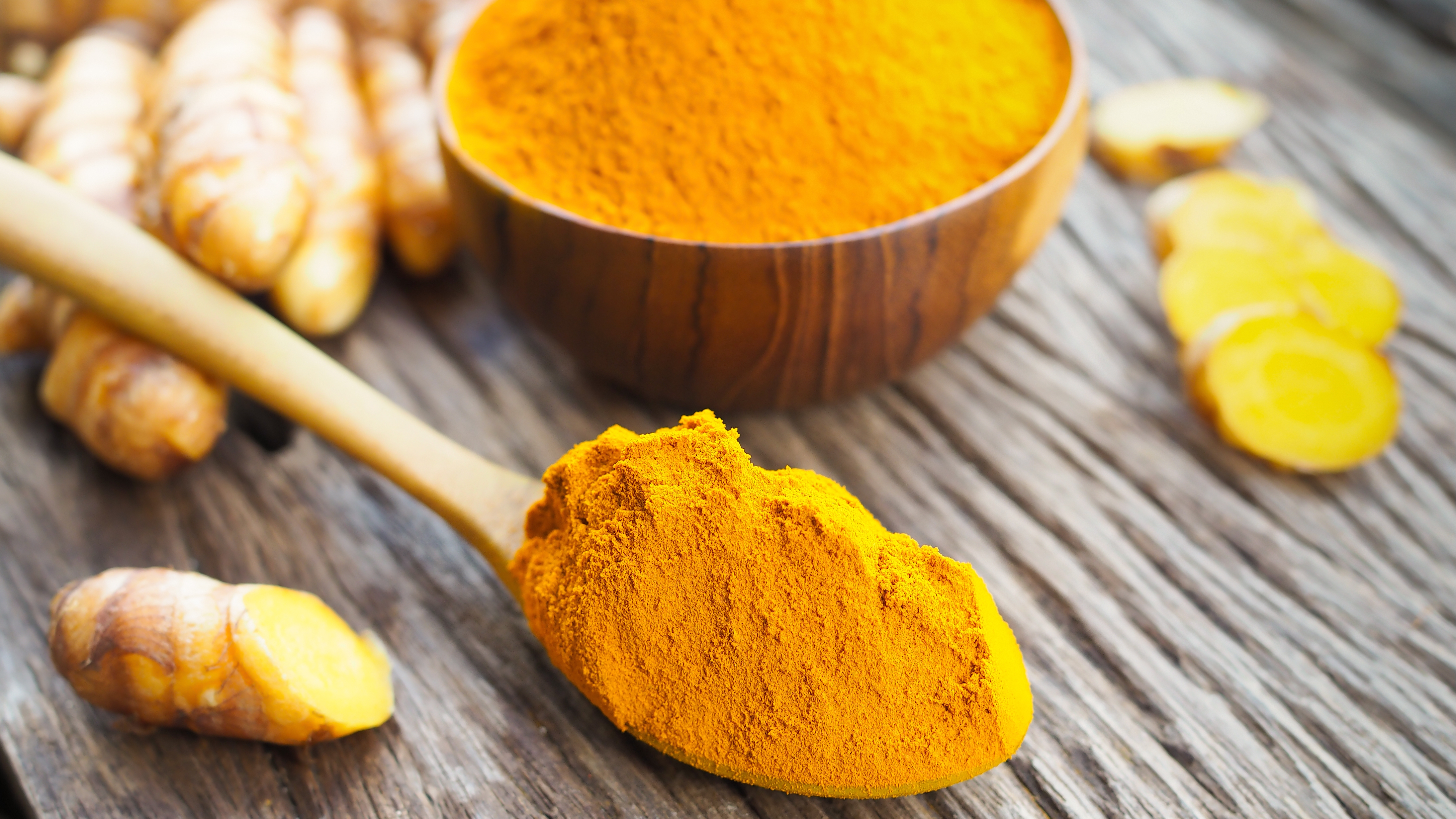
According to the American Cancer Society, over 2 million people in the U.S. are expected to be diagnosed with cancer this year. While age and genetics cannot be controlled, lifestyle choices—like diet, exercise, avoiding tobacco, and limiting alcohol—play a key role in reducing risk. One powerful dietary addition is turmeric.
Why Turmeric?
-
Turmeric has been used for centuries in cooking and traditional medicine.
-
Its active compound, curcumin, has anti-inflammatory, antioxidant, and anti-cancer properties.
How Turmeric Supports Cancer Prevention
-
Reduces Chronic Inflammation
-
Short-term inflammation helps healing, but chronic inflammation increases cancer risk.
-
Curcumin helps lower long-term inflammation, allowing the immune system to identify and clear damaged cells.
-
-
Protects Cells from Damage
-
Antioxidants in turmeric fight free radicals that can damage DNA and lead to mutations.
-
Curcumin may prevent damaged cells from multiplying and forming tumors.
-
-
Supports Gut Health
-
A healthy gut microbiome strengthens the gut lining, improves digestion, reduces inflammation, and boosts immunity.
-
These benefits collectively make the body more resilient against cancer.
-
How to Incorporate Turmeric Into Your Diet
-
Pair with healthy fats: Turmeric is fat-soluble, so combine it with olive oil, avocado oil, or coconut milk.
-
Add to sweet treats: Stir into oatmeal, banana bread, muffins, or desserts for a warm, earthy flavor.
-
Sprinkle on savory dishes: Works well with soups, veggies, scrambled eggs, and pies.
-
Include in drinks: Mix into shakes, smoothies, or golden milk (turmeric with dairy).
Takeaway: Regularly incorporating turmeric into meals and drinks can support immune function, reduce inflammation, protect cells, and promote gut health, all of which may contribute to lowering cancer risk.