
Trump’s proposed ‘peace board’ may cost nations $1 billion to join as Washington rethinks global alliances
What happened: A draft reviewed by officials says President Donald Trump wants countries to pay $1 billion to keep a seat on a new global...
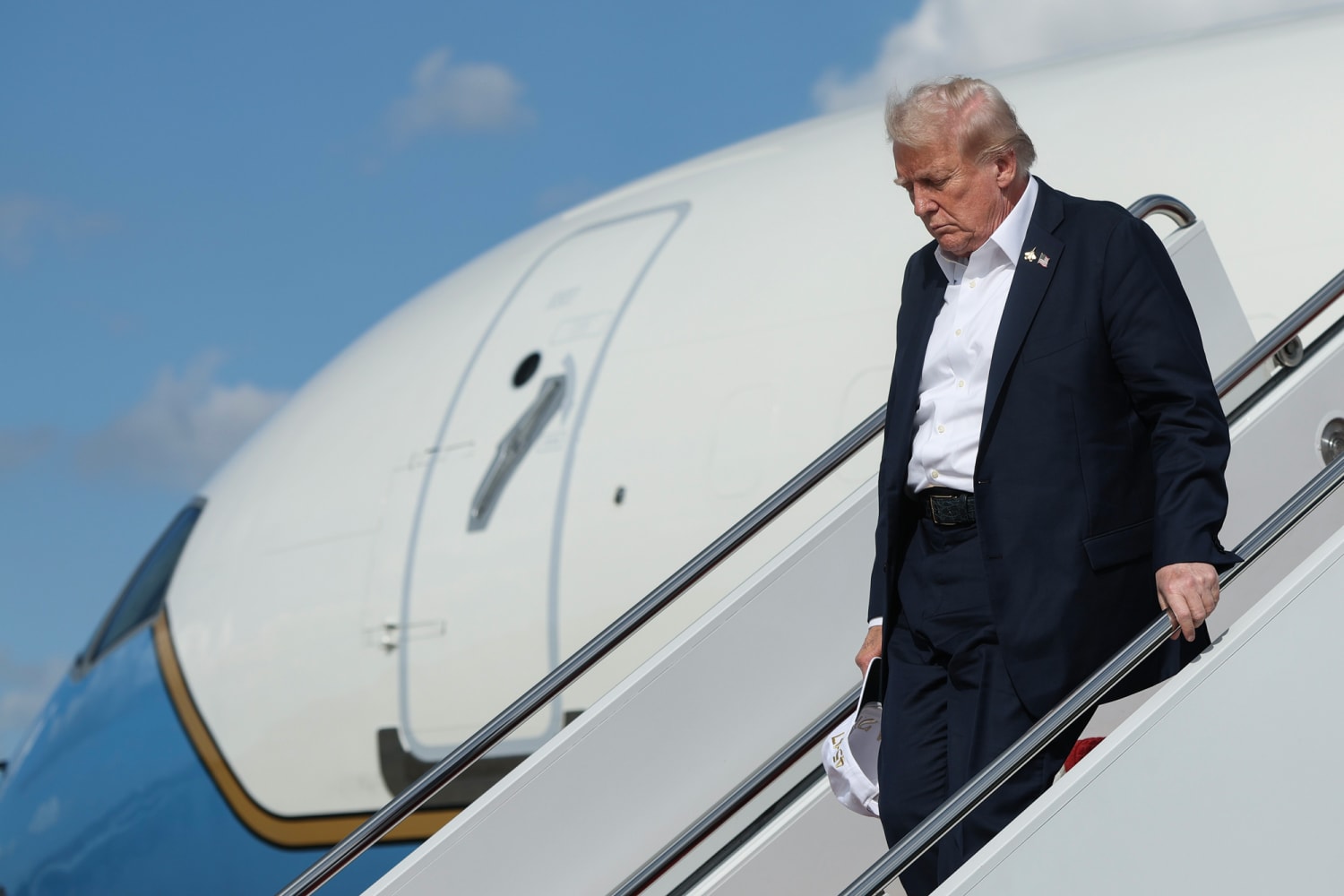
What happened: A draft reviewed by officials says President Donald Trump wants countries to pay $1 billion to keep a seat on a new global “board of peace”.
• Why it matters now: The proposal signals a major shift in how the United States plans to manage alliances and global security.
• What changes for people: It could reshape diplomatic ties, defence commitments, and the way international disputes are handled.
• Who is affected: US partners, developing nations, and any country seeking Washington’s security backing.
The United States is considering a dramatic restructuring of its global role, with President Donald Trump weighing a proposal that would require nations to pay $1 billion for a place on a new peace and security council that some officials say mirrors an alternative to the United Nations. The draft, reported by Bloomberg, outlines a pay-to-participate structure that has already sparked intense global debate.
A bold shift in foreign policy
According to people familiar with the draft charter, the plan aims to create a central platform where countries that financially support Washington’s vision would receive a formal seat. The proposal reflects Trump’s long-held view that US allies must contribute far more toward joint security.
Officials quoted in initial briefings say the concept is still evolving, but the price tag is being discussed as a starting contribution for membership.
Why the proposal matters
If implemented, the move would mark one of the most significant shifts in American foreign policy in decades. A fee-based structure for global cooperation could affect everything from military partnerships to development aid, potentially widening the gap between wealthy nations and those with limited resources.
Experts warn that such a system could undermine multilateral institutions, especially if it is perceived as a replacement for the UN framework. Diplomats who spoke to reporters expressed concern that a cost-based peace board could pressure nations already struggling with economic instability.
How it could reshape global alliances
National security analysts note that the idea aligns with Trump’s earlier statements urging allies in NATO and other blocs to spend more on defence. Under this draft model, influence would be tied directly to financial participation, raising questions about decision-making fairness, conflict resolution, and international legitimacy.
Some government advisers argue that the concept could streamline partnerships by prioritising nations willing to make significant financial and strategic commitments. Others caution that it risks alienating long-standing partners who depend on US leadership but may not be able to meet such steep costs.
Wider impact and uncertainties
The proposal comes at a time when global tensions are high, from Middle East conflicts to renewed strategic competition in the Indo Pacific. Any change in how the US manages alliances could influence trade flows, security guarantees, and geopolitical stability.
Officials familiar with the discussions stress that the draft is not final and may go through multiple revisions. The administration has not issued a public statement, and diplomatic consultations are expected in the coming weeks.