
Trump’s New Security Doctrine Prioritizes Profit Over Promoting Democracy
The administration’s updated National Security Strategy frames global engagement through a commercial lens, signaling a sharp turn from decades of U.S. foreign-policy doctrine. The White...
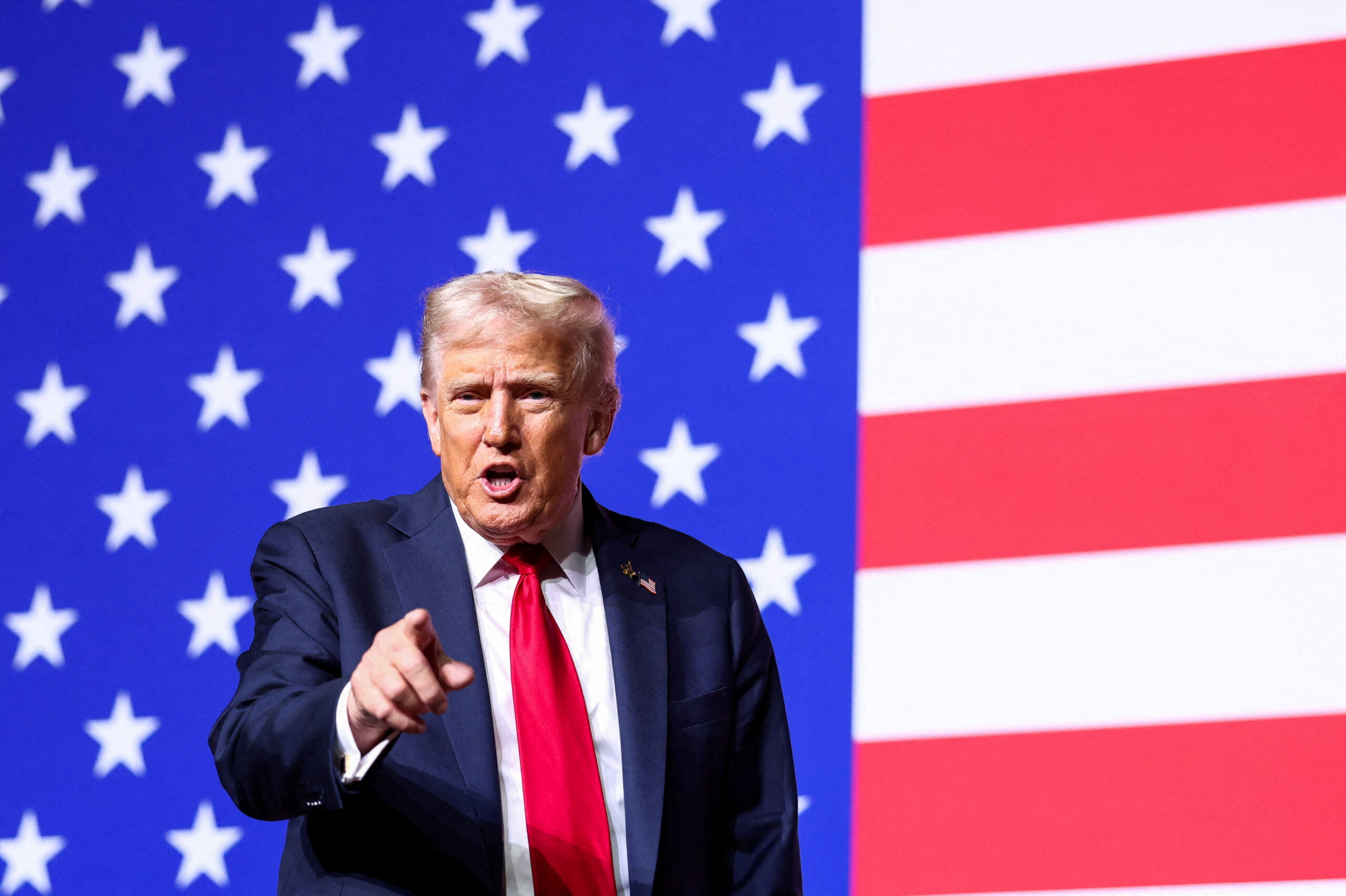
The administration’s updated National Security Strategy frames global engagement through a commercial lens, signaling a sharp turn from decades of U.S. foreign-policy doctrine.
The White House has released a sweeping update to the National Security Strategy (NSS), outlining a worldview in which American power is to be leveraged primarily for economic gain rather than for promoting democratic values or shaping global norms. The document, unveiled late Thursday, shifts the emphasis of U.S. foreign policy toward securing commercial advantages, reducing migration, and striking transactional deals with authoritarian leaders—while downplaying long-standing commitments to democracy-building and human rights.
The revised doctrine offers one of the clearest windows yet into how President Donald Trump plans to wield American influence in his second term.
A Strategy Built Around Transactions and Leverage
Unlike previous NSS documents—which traditionally balance economic goals with diplomacy, alliances, and democratic ideals—the new blueprint frames global engagement around extracting commercial concessions.
According to U.S. officials familiar with the strategy’s drafting, the document asserts that:
-
Latin American governments should reward Washington with no-bid contracts for U.S. firms in exchange for security cooperation and migration control.
-
Taiwan’s importance is described largely in economic and logistical terms, emphasizing semiconductor supply chains and shipping lanes rather than democratic solidarity.
-
The United States should scale back moralizing rhetoric toward Gulf monarchies, arguing that wealthy partners “respond better to mutual business interests than political criticism.”
The strategy represents a break not only from the approaches of presidents like George W. Bush or Barack Obama but even from Trump’s own first-term documents, which still referred to supporting free societies and countering authoritarianism.
Why This Shift Matters
Foreign-policy scholars say the revised NSS could reshape global relationships in several key ways:
1. A Downplayed Democracy Agenda
For decades, U.S. strategy documents have framed democracy promotion as a pillar of national security. The new version treats it as secondary, raising concerns that autocratic governments could find more permissive conditions.
2. A More Strained Alliance System
Allies in Europe, Asia, and Latin America may interpret the new stance as a sign that Washington’s support is no longer rooted in shared values but in short-term economic returns.
3. Intensified Economic Competition
By explicitly demanding commercial advantages in exchange for diplomatic support, the U.S. risks deeper geopolitical competition with China—whose foreign policy already hinges on transactional deals and infrastructure influence.
4. Human-Rights Implications
Human-rights organizations warn that reducing pressure on authoritarian regimes could enable crackdowns abroad without meaningful consequences.
Official Perspective: ‘American Prosperity First’
Senior administration officials, speaking on background, described the new doctrine as an effort to “align national security with the needs of American workers and industries.”
They argue that previous administrations overstated the United States’ responsibility to reshape political systems abroad, often at the expense of domestic priorities.
One official said the strategy formalizes a principle the president has already put into practice throughout the year:
“Our partners need to understand that cooperation with the United States has economic expectations.”
Expert and International Response
Scholars
Experts at leading think tanks say the shift is not entirely unexpected but represents a significant recalibration of U.S. global posture.
-
Dr. Alicia Romero, a Latin America specialist, notes that Washington’s push for no-bid contracts “could provoke strong political backlash” in regional democracies and risk being seen as economic coercion.
-
East Asia analysts warn that reducing Taiwan to a strategic shipping and semiconductor hub “oversimplifies a complex political reality” and may undermine bipartisan congressional support for Taipei.
Foreign Governments
Diplomats in Europe and Asia expressed unease privately, according to officials familiar with the discussions. Several allies fear being pressured into economic concessions as a prerequisite for continued security cooperation.
A Break with Tradition — but a Continuation of Trump’s Approach
While the document formalizes a new approach, it also reflects trends already visible during Trump’s second term:
-
tougher migration demands on Latin American nations,
-
increased pressure on partners to buy American military equipment,
-
and reduced criticism of authoritarian governments that offer commercial or strategic benefits.
The new strategy essentially codifies these priorities into the United States’ most important foreign-policy blueprint.
Social Media Summary (2–3 sentences)
President Trump’s updated National Security Strategy outlines a foreign policy centered on economic leverage rather than promoting democracy. The document emphasizes profit-driven partnerships, transactional diplomacy, and reduced criticism of authoritarian allies. Analysts warn it could strain alliances and reshape U.S. global influence.