
Trump’s 20-Point Gaza Peace Plan Raises Hopes for Ceasefire After Months of Failure
Israel and Key Arab States Back Proposal as Hamas Considers Key Terms, But Political Hurdles Remain After months of stalled negotiations and renewed conflict following...
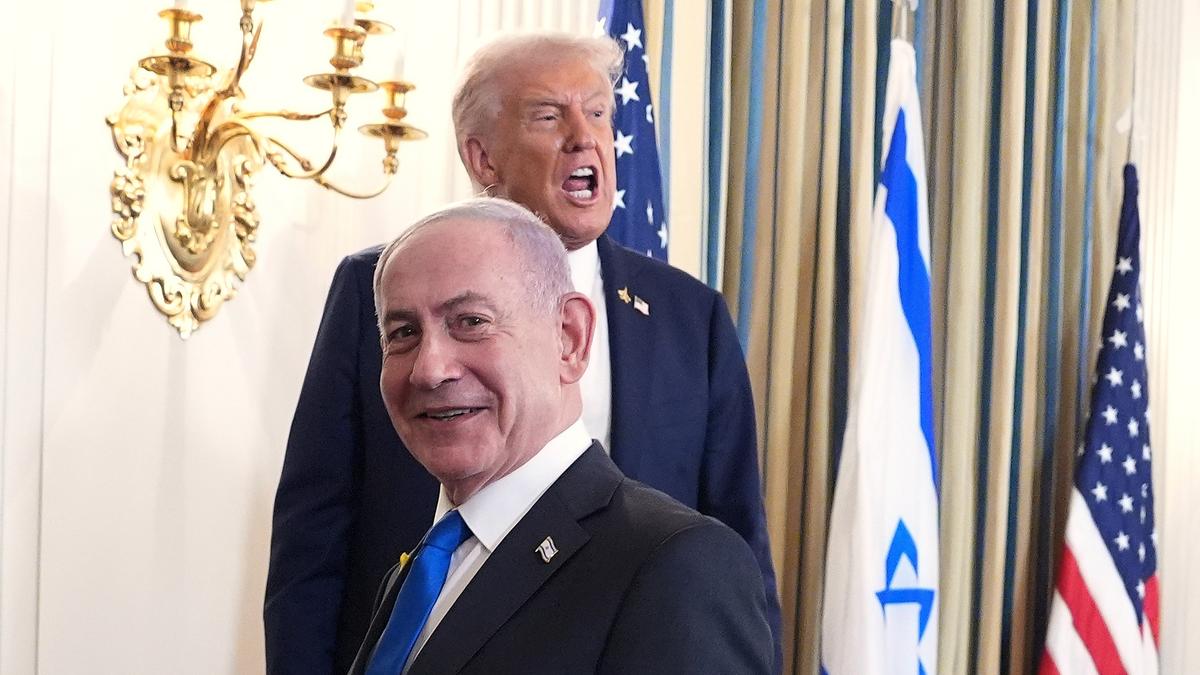
Israel and Key Arab States Back Proposal as Hamas Considers Key Terms, But Political Hurdles Remain
After months of stalled negotiations and renewed conflict following the collapse of the January ceasefire, a 20-point "peace plan" proposed by US President Donald Trump has injected fresh optimism into efforts to end the devastating war in Gaza. The plan has already secured the backing of both Israel and key Arab countries, and significantly, has seen a partial acceptance from Hamas, the group currently controlling the territory.
The latest round of diplomatic efforts had seemingly hit a wall after recent Israeli strikes targeted a Hamas negotiation team in Qatar. Despite this, and a ground offensive launched by Israel in Gaza City last month, Trump's intervention has created what many hope is a path forward for resolution.
Core Elements of the Peace Proposal
The comprehensive plan outlines several critical, phased steps towards a lasting peace:
-
Immediate Ceasefire
-
Exchange of Israeli Hostages and Palestinian Prisoners
-
Phased Withdrawal of Israeli Forces from Gaza
-
Delivery of Humanitarian Aid
-
Interim Governance by a "Board of Peace" to be "headed and chaired" by Trump.
-
Disarmament of Hamas
-
A framework for Gaza’s Reconstruction
-
A "credible pathway to Palestinian self-determination and statehood"—a significant inclusion, departing from earlier proposals.
Notably, the plan stipulates that Palestinians will not be forced to leave Gaza, addressing a major point of regional concern. Hamas has already accepted the proposal for a ceasefire in exchange for the release of hostages and is currently deliberating on the remaining clauses.
Upon the public release of the plan, President Trump used social media to order Israel to "immediately" stop bombing Gaza (though this order was not immediately followed) and expressed optimism: “Based on the Statement just issued by Hamas, I believe they are ready for a lasting PEACE.” This development is being viewed globally as an extremely welcome potential turning point in a conflict that has claimed at least 2,000 Israeli and 66,000 Palestinian lives.
The Critical Stage: Sabotage and Political Future
Historical precedent suggests that the current moment is the most fragile stage of the talks. Previous attempts at peace have often been jeopardized by the Israeli Prime Minister, not just with Hamas but also in regional dealings with Iran.
The immediate challenge now rests on President Trump to ensure the robust implementation of the plan and to resist potential efforts by Prime Minister Netanyahu to sabotage the peace process.
A second, major hurdle involves the future role of Hamas. While the group has agreed to the hostage exchange, it has not committed to full disarmament or a complete withdrawal from Palestinian politics. Instead, Hamas insists that the future governance of the Gaza Strip should be decided based on a "collective national position" and relevant international resolutions.
Several key details regarding the post-war structure remain ambiguous:
-
The composition of the proposed "technocratic, apolitical Palestinian committee" that will govern post-war Gaza, and how many of its members will be Palestinian.
-
The timeline for new elections to the Palestinian Authority.
-
Whether residents of Gaza will be allowed to participate in these new elections.
Global Consensus and the Path Ahead
The international community, coupled with the families of the hostages and large sections of the Israeli public, have been urgently pleading for an end to the nearly two-year-long conflict. Indian Prime Minister Narendra Modi has also joined the global consensus by publicly lauding Trump's plan and advocating for peace.
More than 700 days into the war, the prospect of a resolution has never felt more attainable. The onus is now on Trump, Netanyahu, and Hamas to follow through. As the hard work of diplomacy begins, success will require a sure-footed approach that resists distraction by the "unrelenting demands for spectacle and performance in the social media age." The world is watching to see if this comprehensive 20-point plan truly lights the way to peace.