
Trump claims Iran ready for talks, but Tehran pushes back under threat of force
What happened: Donald Trump said on Friday that Iran is willing to negotiate to avoid a possible U.S. military strike. Why it matters now: Tensions...
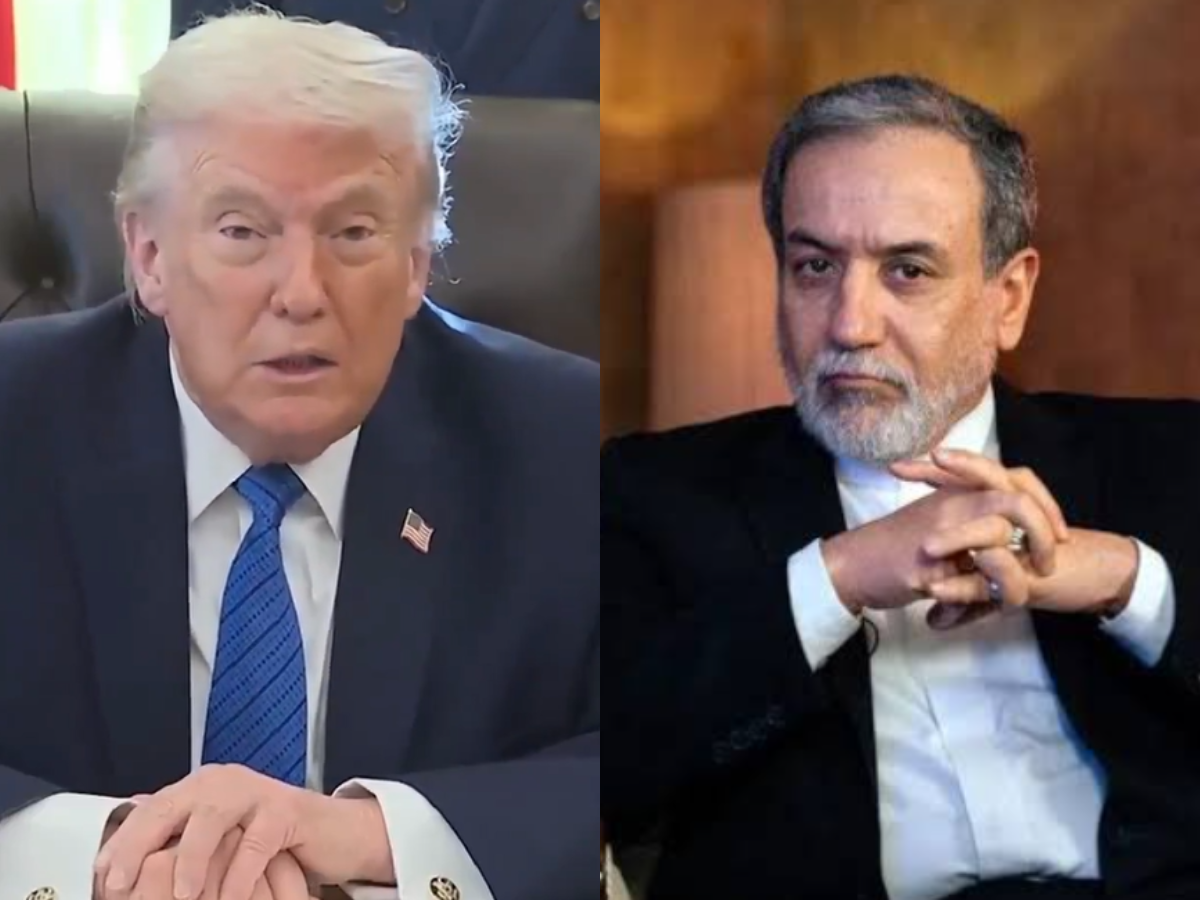
What happened: Donald Trump said on Friday that Iran is willing to negotiate to avoid a possible U.S. military strike.
Why it matters now: Tensions between Washington and Tehran have escalated in recent weeks, raising fears of a wider regional conflict.
What changes for people: A shift toward dialogue could reduce the risk of military escalation that impacts global oil markets and regional stability.
Who is affected: Citizens across the Middle East, global energy markets, diplomatic partners, and U.S.–Iran relations observers.
Former U.S. President Donald Trump claimed that Iran is signalling it wants to strike a deal to avoid potential military action from Washington. His remarks come amid rising friction, repeated warnings to Tehran, and concern from international partners about the direction of U.S.–Iran ties.
Trump signals openness, but warns time is limited
Speaking to reporters on Friday, Trump said that Iran "hopefully won’t require military action", adding that U.S. officials are in communication with Tehran.
He suggested that Iranian leaders want to resolve tensions before any American response is triggered.
However, he repeated that time was “running out”, hinting that the U.S. expects Iran to change its behaviour or face consequences.
Iran’s firm response: No talks under pressure
Iran responded quickly, rejecting the idea of negotiations under military threats.
Tehran said any dialogue must occur without coercion, adding that pressure tactics and ultimatums cannot form the basis of diplomacy.
Officials in Iran reiterated that national sovereignty and regional independence remain non-negotiable.
Why this matters for global stability
The row comes at a sensitive time for the Middle East, already managing the fallout from multiple conflicts and shifting alliances.
A miscalculation between the U.S. and Iran could disrupt:
Oil supply routes, including the Strait of Hormuz
Global energy prices
Diplomatic relations with Gulf nations
Ongoing security operations in Iraq and Syria
A move toward negotiations, even a small one, could lower tensions and give space for diplomacy to resume.
International reaction
Several allied governments have urged both Washington and Tehran to:
Avoid escalation
Open diplomatic channels
Maintain stability in key maritime routes
Experts say Trump’s statement may be aimed at pressuring Iran publicly, while Iran’s response reflects its longstanding position against negotiating under threats.
What to watch next
Monitor whether backchannel talks emerge, if Trump sets a new deadline or condition, and how Iran balances domestic political pressures with international diplomatic needs.