
Trump Claims India Has “Completely Cut Back” on Russian Oil Purchases After New U.S. Sanctions
Washington Tightens Grip on Russian Energy U.S. President Donald Trump on Saturday announced a new wave of sanctions on Russian oil majors Rosneft and Lukoil,...
Washington Tightens Grip on Russian Energy
U.S. President Donald Trump on Saturday announced a new wave of sanctions on Russian oil majors Rosneft and Lukoil, escalating efforts to choke Moscow’s key source of revenue amid the ongoing conflict in Eastern Europe.
The sanctions, unveiled by the U.S. Treasury Department, target the companies’ global trading and shipping operations, restricting access to dollar-based transactions and foreign markets. The move is intended to curb Russia’s ability to finance its military operations through energy exports.
“These sanctions are part of our continued commitment to ensure that Russia’s aggression comes at a heavy economic price,” Trump said in a statement issued from the White House.
Trump Says India Has Halted Russian Oil Purchases
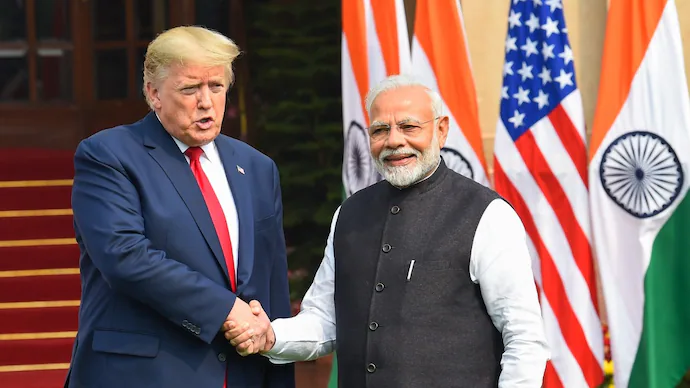
Speaking to reporters ahead of his upcoming visit to South Korea, where he is expected to meet Chinese President Xi Jinping, Trump said India has “cut back completely” on its purchases of Russian crude following the new restrictions.
“I may be discussing it (purchase of Russian oil),” Trump said. “China’s cutting back very substantially on the purchase of Russian oil, and India’s cutting back completely, and we’ve imposed sanctions.”
While the Indian government has yet to officially respond to Trump’s remarks, New Delhi has in recent months defended its oil purchases from Moscow as being driven by energy security and price stability rather than political alignment.
Geopolitical Ripples Across Asia
The announcement comes amid heightened U.S.-China tensions over trade restrictions, technology transfers, and access to critical raw materials. Trump’s meeting with Xi in Seoul is expected to cover a wide range of issues, including agricultural trade, the global fentanyl crisis, and regional security.
Analysts say Trump’s assertion about India could be aimed at reinforcing Washington’s diplomatic narrative that global support for Moscow is waning. However, energy experts caution that a complete halt by India seems unlikely in the short term, given the country’s dependence on discounted Russian crude for its refining sector.
“India’s oil strategy has been pragmatic rather than political,” said Dr. Meera Shankar, a former Indian ambassador and foreign policy commentator. “While pressure from Washington is mounting, India will continue to balance its national interests carefully.”
Background: Rosneft and Lukoil in the Crosshairs
Rosneft and Lukoil together account for nearly 40% of Russia’s oil exports, and both play a crucial role in Moscow’s global energy outreach. The new U.S. sanctions prohibit American and allied companies from doing business with them, effectively restricting their access to international financing and energy infrastructure.
This marks one of Washington’s most severe measures since the first phase of sanctions imposed after Russia’s invasion of Ukraine. Energy analysts say the move could further strain global oil markets, especially if major buyers like India and China reduce purchases.
“Any sustained disruption in Russian oil exports could tighten global supply and push prices higher,” said Gregory West, senior energy strategist at the Brookings Institution. “But Washington is betting that diplomatic pressure on Asian importers will blunt Moscow’s ability to reroute crude.”
What’s Next
Trump’s comments have stirred anticipation ahead of his Seoul summit with Xi Jinping, where both leaders are expected to discuss energy security and global trade dynamics. U.S. officials have also hinted that more sanctions could follow if Moscow continues its military operations.
Meanwhile, the State Department has reiterated that countries continuing to import Russian oil could face secondary sanctions — a warning aimed at both India and China, the two largest non-Western buyers of Russian energy.
Editor’s Note:
This report is based on verified statements from U.S. President Donald Trump, the U.S. Treasury Department, and public data on international energy trade. India’s Ministry of External Affairs has not yet issued a formal comment on Trump’s claim.