
Trump Announces Withdrawal of National Guard Troops From US Cities After Supreme Court Setback
US President Donald Trump has said his administration will withdraw National Guard troops from several major American cities, including Chicago and Los Angeles, following a...
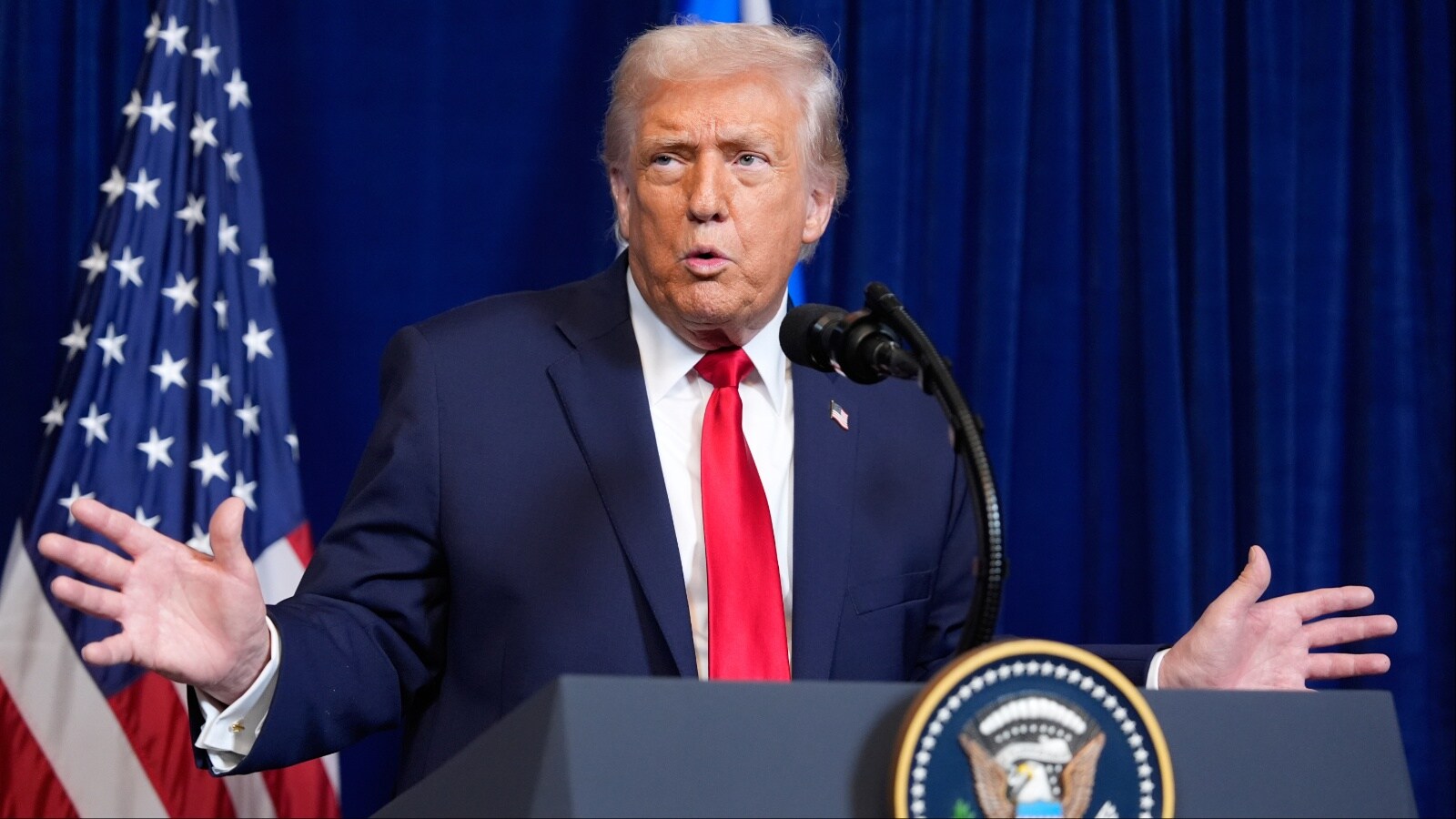
US President Donald Trump has said his administration will withdraw National Guard troops from several major American cities, including Chicago and Los Angeles, following a Supreme Court ruling that significantly curtailed his authority to deploy troops for domestic law enforcement.
In a New Year’s Eve post on his social media platform Truth Social, Trump said the pullback was temporary and warned that the federal government could return with greater force if crime rises again. “We will come back, perhaps in a much different and stronger form, when crime begins to soar again,” he wrote.
Supreme Court Ruling Limits Presidential Authority
The decision follows a landmark Supreme Court judgment delivered last week in Trump v. Illinois, which held that the president does not have the constitutional authority to deploy National Guard troops in Chicago for routine policing without the consent of the state. The ruling dealt a major blow to Trump’s effort to assert federal control over troops traditionally commanded by state governors.
In parallel developments, the Trump administration on Tuesday withdrew a legal motion in California that sought to keep National Guard units deployed in Los Angeles under presidential control. The move effectively cleared the way for the troops’ withdrawal from the city.
Cities Affected, Washington DC Excluded
Trump’s announcement referenced Chicago, Los Angeles, and Portland, Oregon, as cities where troops would be withdrawn. Notably, he did not mention Washington, DC, where National Guard personnel continue to patrol certain areas under federal authority.
Hundreds of troops had been sent to Chicago and Portland earlier, but they were not fully deployed on city streets as multiple legal challenges stalled operational orders.
Political and Legal Fallout
The troop deployments, largely concentrated in Democratic-led cities, sparked immediate backlash from state governments and civil liberties groups, who challenged the move as unconstitutional. Under US law, National Guard forces are generally under the command of state governors unless federalised under specific and limited circumstances.
Trump has consistently defended the deployments, arguing they were necessary to combat violent crime and illegal immigration. His critics, however, accused him of pursuing an “authoritarian” strategy that blurred the line between civilian policing and military force.
State Leaders React
California Governor Gavin Newsom welcomed the administration’s retreat from the courts, calling it an implicit admission of wrongdoing. In a post on X, Newsom said the withdrawal meant that what he described as an “illegal intimidation tactic” would finally end. He added that Trump’s announcement was “the political version of ‘you can’t fire me, I quit.’”
Chicago Mayor Brandon Johnson also praised the Supreme Court’s intervention. Speaking to MS Now, Johnson said the ruling showed that “there is at least another branch of government that recognises that the overreach by the president is a real threat to our democracy.”