
Trump Administration Tightens U.S. Visa Rules for Foreigners With Health or Financial Challenges
Washington’s New Immigration Directive Sparks Concern The Trump administration has introduced a sweeping new directive that could make it harder for foreigners to visit or...
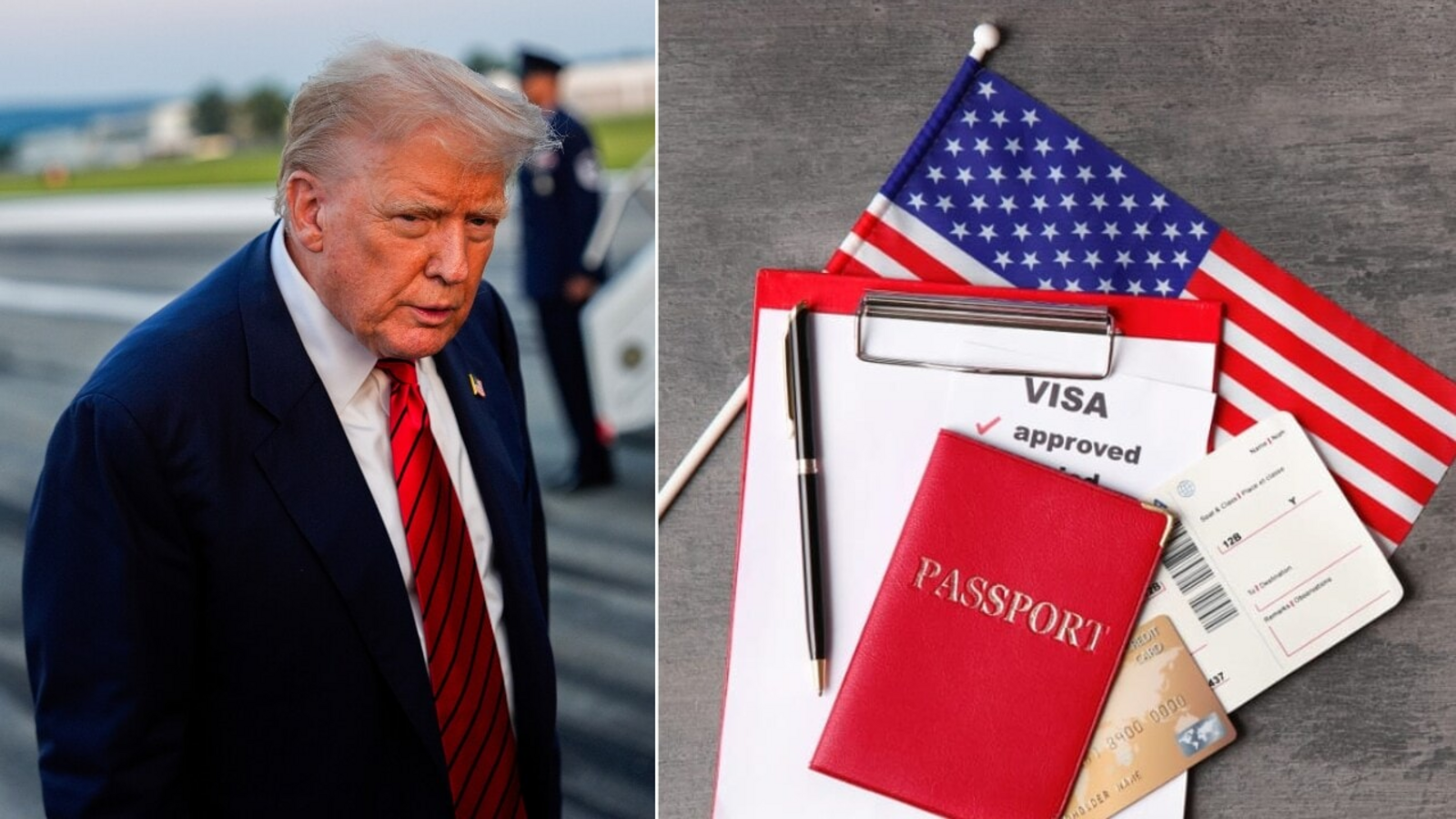
Washington’s New Immigration Directive Sparks Concern
The Trump administration has introduced a sweeping new directive that could make it harder for foreigners to visit or live in the United States if they suffer from certain medical conditions — such as obesity, diabetes, or depression — or lack sufficient financial means.
The policy, outlined in a State Department cable obtained by The Associated Press, instructs U.S. embassies and consulates to apply tougher scrutiny when evaluating whether visa applicants might become a “public charge” — someone likely to depend on U.S. government benefits after entering the country.
Experts say the guidance, which expands on earlier “public charge” rules from Trump’s first term, could drastically reduce the number of people eligible for both immigrant and non-immigrant visas.
A Return to Hardline Immigration Tactics
Since returning to office in January 2025, President Donald Trump has pursued a government-wide immigration crackdown reminiscent of his first term’s restrictive policies. The new directive reinforces his administration’s stance that immigration should not burden U.S. taxpayers.
“The Trump Administration is putting the interests of the American people first,” State Department spokesperson Tommy Pigott said in a statement. “This includes enforcing policies that ensure our immigration system is not a burden on the American taxpayer.”
The cable was circulated globally to all U.S. embassies and consulates, directing officials to apply the guidance immediately.
Health and Financial Scrutiny Deepens
The new rules significantly expand the factors that visa officers must consider when reviewing applications. Consular officials are now required to assess not only an applicant’s health but also their age, family situation, education, job skills, English proficiency, and financial resources.
Among the medical conditions that could lead to denial are chronic illnesses, obesity, hypertension, cardiovascular disease, neurological disorders, depression, and anxiety — ailments that the cable describes as potentially requiring “hundreds of thousands of dollars’ worth of care.”
Applicants may also be asked to present extensive financial documentation, including bank statements, investment portfolios, property records, and retirement accounts, to prove their ability to support themselves.
Immigration Experts Warn of Broader Impacts
Immigration analysts say the policy could disproportionately affect older adults, people with disabilities, and applicants from low-income nations. It may also discourage family members of U.S. citizens and lawful residents from applying for visas out of fear of rejection.
“This could lead to a substantial narrowing of immigration,” said Julia Gelatt, associate director of the Migration Policy Institute’s U.S. Immigration Policy Program. “The Trump administration is trying to revive the public charge framework it pushed during its first term — but with even more reach.”
Immigration attorney Steven Heller said the new rules grant wide discretion to individual officers. “They’re being told to look for reasons to deny rather than approve,” he said. “The ‘totality of the circumstances’ is now being used as a sword, not a shield.”
Humanitarian and Legal Backlash
Immigrant advocacy groups condemned the directive as discriminatory and harmful, warning that it could deter immigrants already living in the U.S. from accessing legal public benefits such as healthcare or food assistance.
“This policy is dangerous,” said Adriana Cadena, executive director of Protecting Immigrant Families. “Its reported breadth and secrecy drive confusion and concern that discourage lawfully present immigrants and U.S. citizens in mixed-status families from getting care they qualify for under federal law.”
Critics argue that the policy effectively redefines self-sufficiency in a way that punishes people for having medical conditions or coming from less wealthy backgrounds — raising ethical and legal questions about whether it violates anti-discrimination provisions in U.S. immigration law.
Official Justification and Limited Exceptions
According to U.S. officials familiar with the guidance, the rule applies primarily to immigrant visas — those seeking to live permanently in the United States — but not to short-term B-2 tourist or medical visas. Still, experts warn that it could indirectly influence consular officers’ attitudes across visa categories.
Applicants already undergo extensive medical screenings, including checks for communicable diseases like tuberculosis, as well as vaccination and mental health history reviews. The new directive, however, extends that assessment to include conditions that could potentially become financial liabilities for U.S. taxpayers.
Broader Policy Context
The latest measure fits into Trump’s broader push to reshape U.S. immigration along economic self-reliance lines. His administration has previously sought to deny entry or legal status to immigrants who lack financial assets, score low on merit-based metrics, or require social assistance.
Immigration scholars say the move underscores Trump’s long-held view of immigration as an economic transaction rather than a humanitarian or family-based policy.
“By making health and wealth key determinants of admissibility, this administration is effectively redefining who is considered a ‘desirable’ immigrant,” said Dr. Asha Raman, a policy researcher at Georgetown University. “That represents a profound shift in how America defines opportunity and inclusion.”