
Trump Administration Preparing to Expand U.S. Travel Ban to More Than 30 Countries, Says Homeland Security Chief
The United States is preparing to significantly broaden its travel restrictions, with Homeland Security Secretary Kristi Noem confirming that the Trump administration intends to expand...
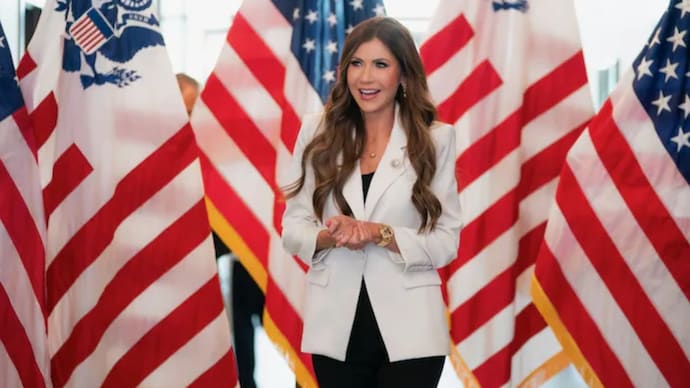
The United States is preparing to significantly broaden its travel restrictions, with Homeland Security Secretary Kristi Noem confirming that the Trump administration intends to expand the current list of 19 restricted nations to “more than 30”.
Noem, speaking on Fox News’ The Ingraham Angle on Thursday, said the administration is reassessing global travel risks and reviewing countries deemed to have weak security systems or inadequate vetting procedures.
Noem declined to identify which countries may be added but noted that “the number will exceed 30” and that President Donald Trump is “actively evaluating” additional nations.
A Major Policy Shift With Global Implications
The move signals one of the most sweeping expansions of immigration and travel controls under Trump’s renewed push to tighten national security and overhaul migration systems.
It comes amid heightened political tension surrounding border control and a recent violent incident in Washington, D.C., where an Afghan national admitted under a previous resettlement program was accused in a shooting that killed one National Guard member and injured another.
The White House has pointed to the case as evidence of what officials call “systemic failures” in earlier vetting processes.
Background: The Existing Travel Restrictions
On June 4, the Trump administration issued a proclamation identifying 19 countries in Africa, the Middle East, and the Caribbean that face either full travel bans or targeted immigration restrictions.
Those measures, according to the Department of Homeland Security (DHS), were based on security assessments including passport integrity, information-sharing standards, and terrorism-related risks.
The pending expansion would represent the administration’s largest single adjustment to U.S. travel restrictions since 2017, when Trump first introduced an executive order temporarily banning travel from several Muslim-majority countries—an order that set off global protests and years of legal battles before being upheld, in part, by the U.S. Supreme Court.
Noem’s Push for Tougher Controls
This week’s discussion follows Noem’s recent social-media post after meeting with Trump, in which she urged “a full travel ban” on countries she described as posing security risks.
Her rhetoric mirrors Trump’s increasingly hardline immigration messaging as he calls for:
-
A “permanent pause” on migration from economically distressed nations
-
A mass deportation initiative that could target even some individuals with legal status
-
A review of all humanitarian and resettlement programs
DHS officials say the department is reassessing entrants from countries already on the restricted list and evaluating whether past approval systems allowed potential security threats to enter the U.S.
Experts Warn of Diplomatic Fallout
Immigration policy analysts say the expansion could have significant geopolitical consequences.
Former DHS officials note that widening the ban could strain relations with affected nations and disrupt international travel, business, and academic exchanges.
Civil-rights groups warn the policy may disproportionately impact families seeking reunification and individuals applying for work or study visas.
However, administration supporters argue that stricter measures are necessary to prevent security lapses and ensure that foreign governments cooperate with U.S. intelligence requirements.
What Happens Next?
The White House has not released the updated list of countries, and its final scope will depend on DHS assessments now underway.
Once issued, the new order is expected to tighten visa procedures, restrict entry for certain categories of travelers, and require additional documentation for applicants from flagged countries.
Officials say the administration aims to announce the final policy in the coming weeks.