
Trott's Afghan Swan Song: From Prayer Breaks to T20 World Cup Dreams
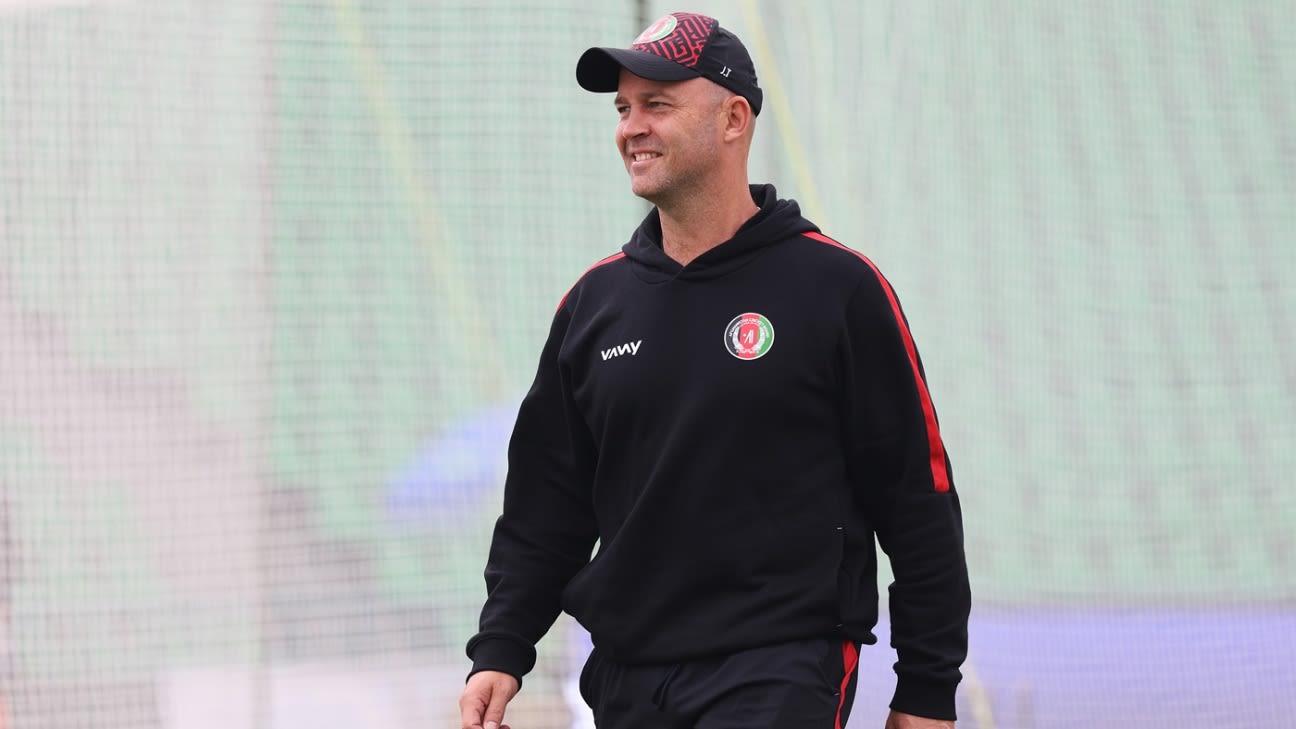
Jonathan Trott reflects on his transformative tenure as Afghanistan's cricket coach.
Top Summary
- What happened: Jonathan Trott is stepping down as Afghanistan's head coach after the 2026 T20 World Cup, reflecting on his transformative tenure.
- Why it matters: Trott's coaching helped develop raw talent into world-class players, impacting Afghan cricket's structure and success.
- What changes for people: Players gained structure, discipline, and financial stability, influencing future generations of Afghan cricketers.
- Who is affected: Afghan cricket players, their families, the Afghanistan Cricket Board, and fans worldwide.
Discovering Raw Talent in Belfast
In August 2022, Jonathan Trott began his journey as Afghanistan's coach in Belfast. He initially knew little about the team.
Trott was struck by the talent of Ibrahim Zadran and Azmatullah Omarzai during net sessions. The sounds of their shots reminded him of legends like Ricky Ponting and Sachin Tendulkar.
He was also impressed by Rahmanullah Gurbaz's powerful hitting.
An Accidental Opportunity
Trott's appointment came unexpectedly. Graham Thorpe was initially selected but couldn't take the role due to personal reasons.
"I interviewed for the batting [coach] role... Then, unfortunately, Graham had a few things going on in his life and couldn't take up the opportunity, so I was offered [the head coach job]. And I gladly accepted," Trott says.
Trott accepted the head coach position, embarking on a challenging but rewarding experience.
Early Challenges and Cultural Differences
The initial assignments were intense, including a series against Ireland and the Asia Cup. Afghanistan beat Sri Lanka and Bangladesh in the Asia Cup.
Trott faced cultural differences, like accommodating prayer times during practice. He quickly learned to adapt his Western coaching style.
Building Structure and Overcoming Barriers
Trott noted the team's immense talent but lack of structure. He focused on instilling discipline and planning.
"There was so much talent but there was no structure. There was no plan. It was just thrown together... In the beginning, I put in place the structure. Things like: let's be on the bus on time, let's make sure we get to practice on time."
He encountered language and education barriers. Many players couldn't read English or Pashto, requiring a translator.
Omarzai's Transformation
Trott praised Azmatullah Omarzai's development. He witnessed him grow from a shy boy into a confident man.
Omarzai now speaks fluent English and plays in major T20 leagues, achieving financial security for himself and his family.
The Human Element and Personal Loss
Trott was deeply affected by the hardships faced by his players. Many experienced loss and grew up in refugee camps.
"All of the players have suffered loss in some way, shape or form... So when you're coaching someone here, there's a different perspective on life."
He learned to consider their personal backgrounds when coaching.
Instilling the Basics
Trott emphasized fundamental cricket skills, such as rotation, soaking pressure, and knowing when to accelerate.
He encouraged players to master the basics like fielding cleanly and running hard between wickets.
He used examples of Virat Kohli and AB de Villiers as models of consistent, fundamental excellence.
Off-Field Discipline
Trott also focused on off-field aspects like sleep and diet. He implemented changes to improve player preparation.
He made sure they were getting up early to get nutrition and hydration.
The Satisfaction of Coaching
Trott found the hands-on coaching aspect particularly rewarding with the Afghanistan team. He felt they were eager to learn.
He contrasted this with his experiences coaching in the Western world, where he felt more like a facilitator.
What to Watch Next
Jonathan Trott will continue to lead Afghanistan through the current T20 World Cup. His departure after the 2026 T20 World Cup will mark the end of a significant chapter for Afghan cricket, but his impact will be long-lasting.