
Thyroid Health Warning: Six Everyday Foods That Could Be Slowing Down Your Metabolism
Millions worldwide struggle with thyroid imbalances that quietly disrupt metabolism, energy levels, and overall health. Yet, few realize that everyday foods—often considered harmless or even...
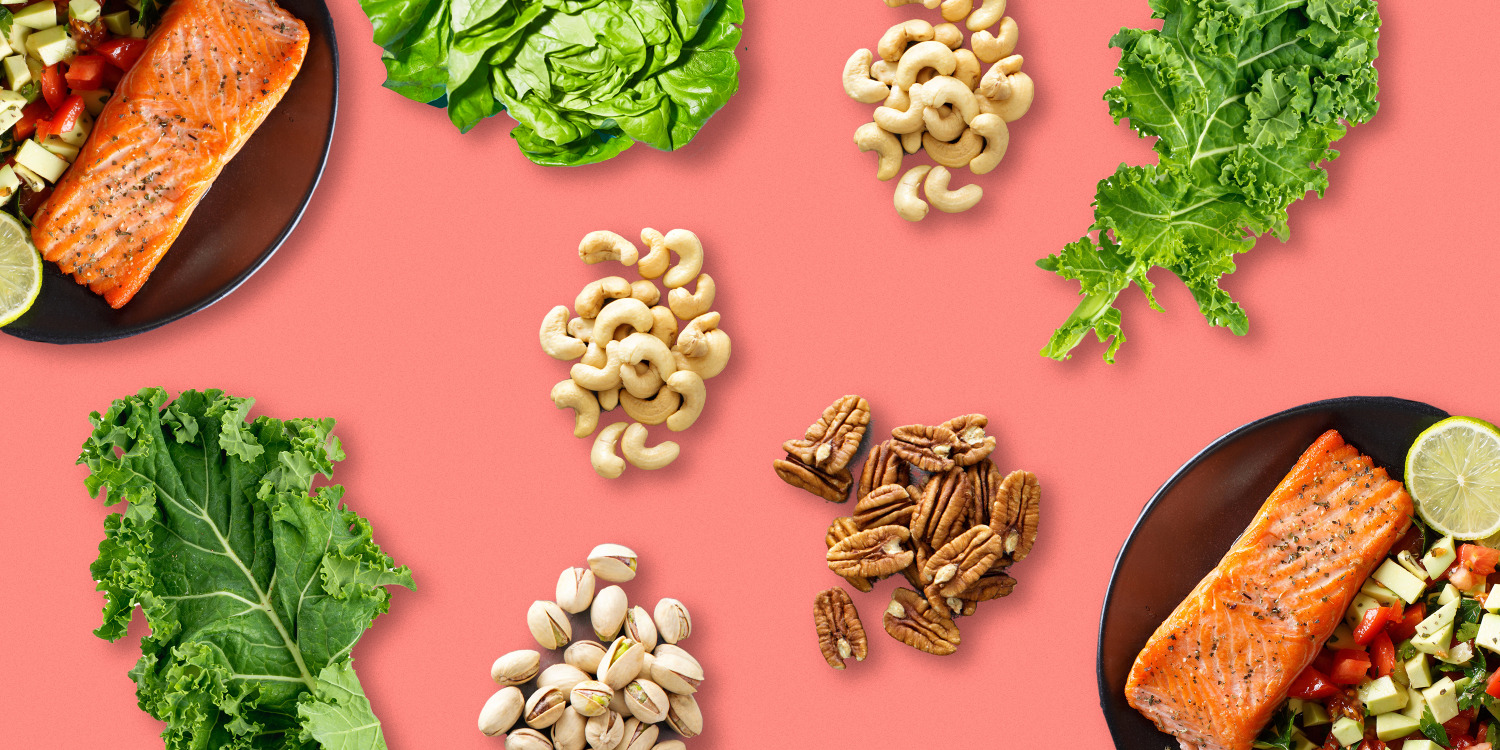
Millions worldwide struggle with thyroid imbalances that quietly disrupt metabolism, energy levels, and overall health. Yet, few realize that everyday foods—often considered harmless or even healthy—can interfere with thyroid function and hormone absorption. Nutritionist LogaPritika Srinivasan sheds light on key dietary choices that may hinder thyroid performance and offers safer alternatives.
Understanding the Thyroid-Food Connection
The thyroid gland, located at the base of the neck, regulates metabolism through the production of hormones like T3 and T4. These hormones depend on iodine and other nutrients for proper synthesis. According to experts, certain compounds found in common foods—known as goitrogens and isoflavones—can block or slow down this process, especially when consumed in excess or too close to thyroid medication.
“A mindful diet can make thyroid management far more effective,” says nutritionist LogaPritika Srinivasan, emphasizing that food timing and moderation are as important as medication adherence.
1. White Bread: Refined but Risky
Refined white bread lacks essential fiber and micronutrients. The high glycemic index of white flour can trigger blood sugar fluctuations, putting additional strain on the body’s metabolism. Many commercial brands also include preservatives and additives that may irritate digestion. Experts recommend switching to whole-grain or gluten-free breads, particularly for individuals with autoimmune thyroid conditions such as Hashimoto’s disease.
2. Potato Chips: High in Fats, Low in Benefit
Though convenient, potato chips combine excessive salt and unhealthy trans fats that can interfere with the body’s ability to absorb iodine—the mineral essential for thyroid hormone production. Frequent consumption can also contribute to unwanted weight gain, worsening metabolic slowdown in those with hypothyroidism. Baked or air-fried alternatives are a better choice for snack cravings.
3. Peanuts: Protein with a Catch
Peanuts contain goitrogens, naturally occurring substances that can inhibit thyroid hormone synthesis. For individuals already on thyroid medication, daily consumption of peanuts or peanut butter may reduce iodine uptake efficiency. Occasional servings are generally safe, but nutritionists suggest opting for almonds, walnuts, or cashews instead, as they pose fewer thyroid-related risks.
4. Cruciferous Vegetables: Healthy but in Moderation
Cabbage, broccoli, and cauliflower are nutrient-dense but can cause issues if eaten raw in large quantities. These vegetables contain thiocyanates, which compete with iodine within the thyroid gland. Cooking, steaming, or boiling these vegetables significantly reduces their goitrogenic properties, allowing for occasional, safe inclusion in the diet.
5. Coffee: The Morning Mistake
For many, coffee is a morning ritual—but for thyroid patients, it can interfere with medication absorption. Studies published in the Journal of Clinical Endocrinology & Metabolism show that consuming caffeine within 30 minutes of taking thyroid medication can reduce drug efficacy. Experts recommend waiting at least 45 minutes after taking thyroid medication before drinking coffee, or choosing caffeine-free herbal teas like tulsi or chamomile.
6. Tofu and Soy Products: Hidden Interference
Soy-based foods such as tofu contain isoflavones, compounds that can suppress thyroid activity and hinder the absorption of synthetic thyroid hormones. While soy doesn’t have to be completely eliminated, timing and moderation are crucial. Health experts suggest maintaining a four-hour gap between soy consumption and thyroid medication.
Expert Insight
Dr. Srinivasan emphasizes that people with thyroid conditions should focus on balanced, whole-food diets rich in selenium, zinc, and iodine, found in fish, eggs, and certain vegetables. “Rather than avoiding all risk foods completely, it’s about knowing how and when to eat them,” she notes.
The Bottom Line
A thyroid-friendly diet requires small but strategic adjustments. Limiting goitrogen-rich foods, managing caffeine timing, and choosing less processed alternatives can significantly improve hormone balance and overall well-being.
Disclaimer:
This article is intended for informational purposes only and should not replace medical consultation. Always seek guidance from a qualified healthcare provider or nutritionist before making dietary or medication-related changes.