
Three Afghan Cricketers Killed in Border Airstrikes During Post-Match Gathering
Tragedy struck Afghan cricket on Saturday when three young club-level players were killed in an airstrike in Urgun District, Paktika Province, near the Pakistan border....
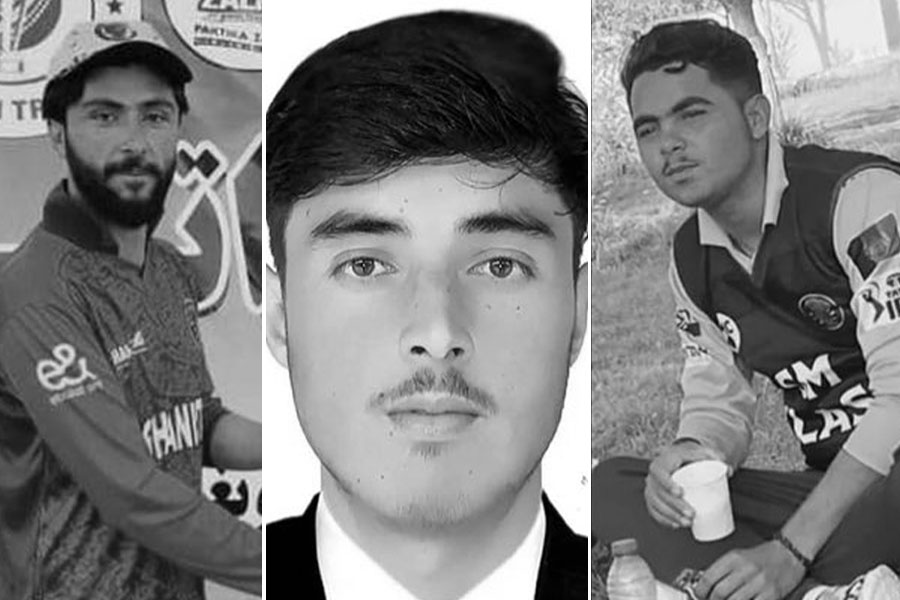
Tragedy struck Afghan cricket on Saturday when three young club-level players were killed in an airstrike in Urgun District, Paktika Province, near the Pakistan border. The players — Kabeer Agha, Sibghatullah, and Haroon — had gathered at a friend’s home for dinner after participating in a friendly match in Sharana, the provincial capital, when the attack occurred in the evening. Five other locals were also killed, and seven were injured, according to the Afghanistan Cricket Board (ACB).
“The players had just returned from a friendly game and were spending time with friends when the airstrike hit,” an ACB official said, emphasizing that the victims were all club-level cricketers. Details remain unclear regarding whether the strike involved Pakistani jets or missiles, with investigations ongoing.
Immediate Impact on Afghan Cricket
In response to the incident, the ACB announced it would withdraw from the tri-nation series scheduled in Pakistan from November 17–29, where Afghanistan was to compete alongside Sri Lanka. The Pakistan Cricket Board (PCB) confirmed that Zimbabwe will replace Afghanistan for the upcoming series in Rawalpindi and Lahore.
The cricketing world expressed shock and condemnation. The International Cricket Council (ICC) called the attack “a devastating loss for families and the cricket community” and affirmed its solidarity with the ACB. Similarly, the Board of Control for Cricket in India (BCCI) expressed sorrow and condemned the attack as “ghastly and unwarranted,” highlighting the loss of promising young athletes.
Human Dimension: Lives Cut Short
According to eyewitnesses, some friends who were supposed to join the dinner stayed back, avoiding the strike. The attack unfolded in three successive waves, striking both the gathering and the host’s residence. Former Afghan cricketers participating in online discussions noted the randomness of the tragedy, emphasizing how young sportspeople became unintended victims in escalating cross-border tensions.
An ACB official indicated that in the future, tournaments might be organized in memory of the deceased players, aiming to preserve their legacy and inspire young cricketers in Afghanistan.
Broader Context: Border Tensions and Security Concerns
The airstrike occurred amid heightened military tensions along the Afghanistan-Pakistan border, with multiple reports of strikes in Paktika and Kabul over the past few days. Urgun District, where the attack took place, has long been a flashpoint given its proximity to the border and history of armed incidents. Afghan and Pakistani officials are scheduled to meet in Doha to negotiate a truce, signaling ongoing diplomatic efforts to de-escalate the conflict.
Security analysts warn that such incidents not only threaten local populations but also have implications for regional stability, travel, and cross-border cooperation, potentially affecting humanitarian access and civilian safety in conflict-prone border areas.
Looking Ahead
While the immediate focus remains on the families and communities affected, experts say the incident highlights the vulnerability of civilian areas during ongoing military operations. For Afghan cricket, the loss is profound: beyond the emotional toll, the withdrawal from international fixtures underscores the wider disruption conflict can cause in sports and youth development.