
TB Breakthrough: Inhalable Nanodrug Targets Lung Infections Directly
New inhalable nanosystem delivers TB drugs directly to the lungs.
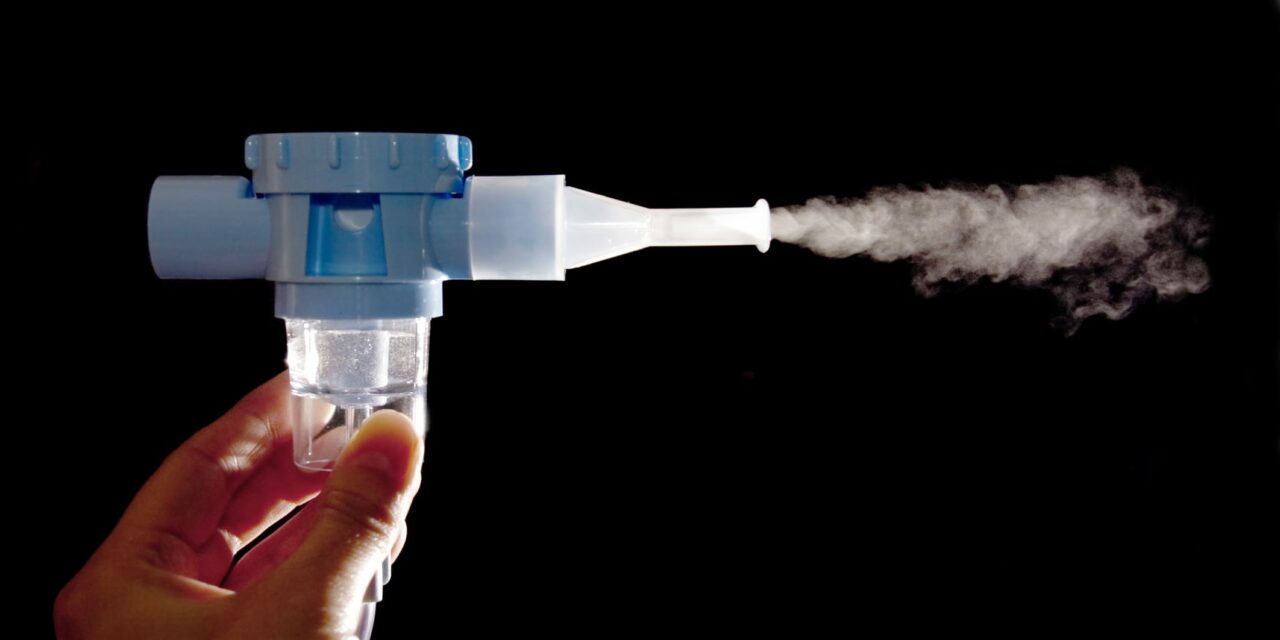
Top Summary
- What happened: Researchers developed an inhalable nanosystem to deliver tuberculosis (TB) medication directly to the lungs.
- Why it matters: This targeted delivery bypasses the bloodstream and liver, increasing drug concentration at the infection site and reducing side effects.
- What changes for people: Shorter treatment times, improved patient adherence, and potentially limited drug resistance could be possible.
- Who is affected: TB patients, particularly those with latent infections and those struggling with current treatment regimens, along with healthcare systems dealing with drug-resistant TB.
Targeting Tuberculosis at the Source
A new approach to treating tuberculosis (TB) is being developed by researchers at the Wits Advanced Drug Delivery Platform (WADDP). The innovative treatment uses an inhalable nanosystem.
This system is designed to deliver TB medications directly to the site of infection in the lungs.
The technology encapsulates the four standard TB drugs—rifampicin, isoniazid, ethambutol, and pyrazinamide—in a single biocompatible nanocarrier.
Improved Drug Delivery and Patient Adherence
By delivering the medicine directly into the respiratory tract, the system bypasses the liver and bloodstream.
This reduces drug loss and increases local concentration in the lung tissue.
"TB is clever," said Lindokuhle Ngema, postdoctoral researcher. "It hides in lung pockets where oral drugs can't reach. Our system is designed to be smarter and to go exactly where it's needed."
Addressing a Global Health Crisis
Mycobacterium tuberculosis remains a significant global healthcare challenge.
It causes approximately 10 million new infections and 1.8 million deaths annually.
In South Africa alone, the disease claimed more than 56,000 lives in 2023.
Overcoming Limitations of Current Treatments
The World Health Organization (WHO) End TB Strategy calls for an 80% reduction in new cases and a 90% reduction in deaths by 2030.
Achieving these targets requires new delivery methods.
"If we want to end TB, we must also address the limitations of one-size-fits-all drug delivery," said Yahya Choonara, director of WADDP. "Precision nanomedicine like this allows us to treat smarter, faster and with greater impact, which is exactly what the WHO's End TB Strategy is calling for."
Combating Drug Resistance
Standard TB treatment involves a six-month regimen of multiple oral drugs.
Side effects often cause patients to discontinue therapy, contributing to the rise of multidrug-resistant (MDR) and extensively drug-resistant (XDR) forms of the disease.
Inhalation therapy could concentrate the drug where it is needed most.
Tracking and Optimizing Drug Delivery
The researchers plan to use nuclear imaging to track how the nanoparticles move through the lungs in real time, working with the Nuclear Medicine Research Institute (NuMeRI).
These studies will confirm if the drug reaches the specific areas where the bacteria thrive.
"The beauty of nanoscale science is that you can design a system that responds to the environment inside the body. We can control where and when the drugs are released," said Ngema.
What to Watch Next
The research team is working to translate these early results into real-world clinical use. Further studies will assess the nanosystem's effectiveness in humans to reduce the burden on patients and healthcare systems.