
Tamil Nadu Set to Introduce Bill Banning Hindi Hoardings, Films, and Songs
The Tamil Nadu government, led by Chief Minister M.K. Stalin and the DMK, is poised to table legislation banning the use of Hindi-language hoardings, advertisements,...
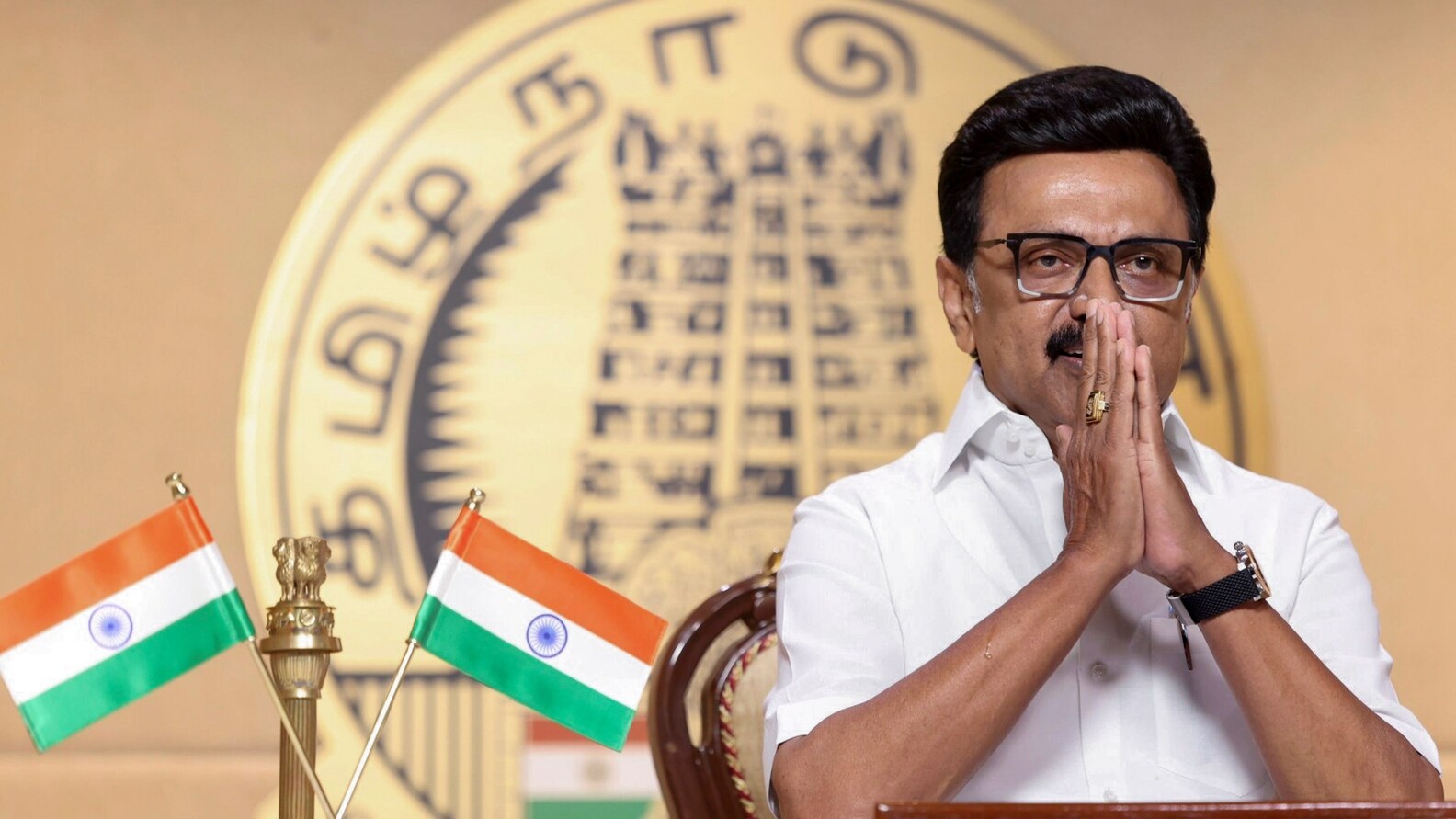
The Tamil Nadu government, led by Chief Minister M.K. Stalin and the DMK, is poised to table legislation banning the use of Hindi-language hoardings, advertisements, films, and songs across the state. The move, aimed at protecting Tamil linguistic heritage, is being framed as a response to what the government calls the “imposition” of Hindi in the southern state.
Protecting Tamil Language and Culture
The proposed law seeks to legally prioritise Tamil in public displays, commercial boards, and entertainment venues, while maintaining the state’s two-language policy of Tamil and English, officials say.
Higher Education Minister K. Ponmudy told reporters, “This is not about isolating anyone; it is about ensuring Tamil is honoured and given precedence.” The legislation includes penalties for non-compliance and bans Hindi-language films and songs at theatres and public events.
DMK leaders emphasise that their opposition is to the forced imposition of Hindi, not the language itself. Senior DMK leader T.K.S. Elangovan said, “We will abide by the Constitution but resist Hindi imposition,” highlighting the party’s long-standing policy to defend Tamil’s primacy in the state.
Historical Context of Tamil Resistance
Tamil Nadu’s resistance to Hindi imposition traces back to anti-Hindi agitations in the 1930s, which intensified during the 1960s, shaping the state’s strong two-language policy of Tamil and English. This policy has been credited with promoting literacy, social development, and employment growth.
In 2025, the state had symbolically replaced the national rupee sign (₹) with its Tamil counterpart ‘ரூ’ on the state budget document, signalling an ongoing emphasis on Tamil cultural symbols. The current bill is being viewed as an extension of these efforts to protect Tamil identity from perceived north-centric linguistic dominance, particularly promoted by the BJP-led central government through the three-language education formula.
Political and Public Reactions
The bill has sparked debate along political lines, coming ahead of the 2026 Tamil Nadu Assembly elections.
-
BJP representatives criticised the move as “stupid and absurd,” claiming it polarises public opinion and distracts from governance issues, including economic controversies and pending court cases.
-
Some cultural and film industry voices support the bill, seeing it as a way to protect local industries and uphold Tamil pride.
-
Legal experts and civil society members urge careful dialogue rather than legislating language restrictions, highlighting the importance of linguistic diversity and minority rights.
Broader Implications
While Tamil Nadu’s initiative reflects legitimate concerns about cultural preservation, experts caution that identity politics intersecting with legislation can deepen societal divides. India’s pluralistic strength lies in its multilingual fabric, where languages serve as bridges rather than barriers.