
Tamil Nadu Parties to Move Supreme Court Against EC’s Electoral Roll Revision
In a rare show of unity, 44 political parties led by Tamil Nadu Chief Minister M. K. Stalin met on Sunday and decided to move...
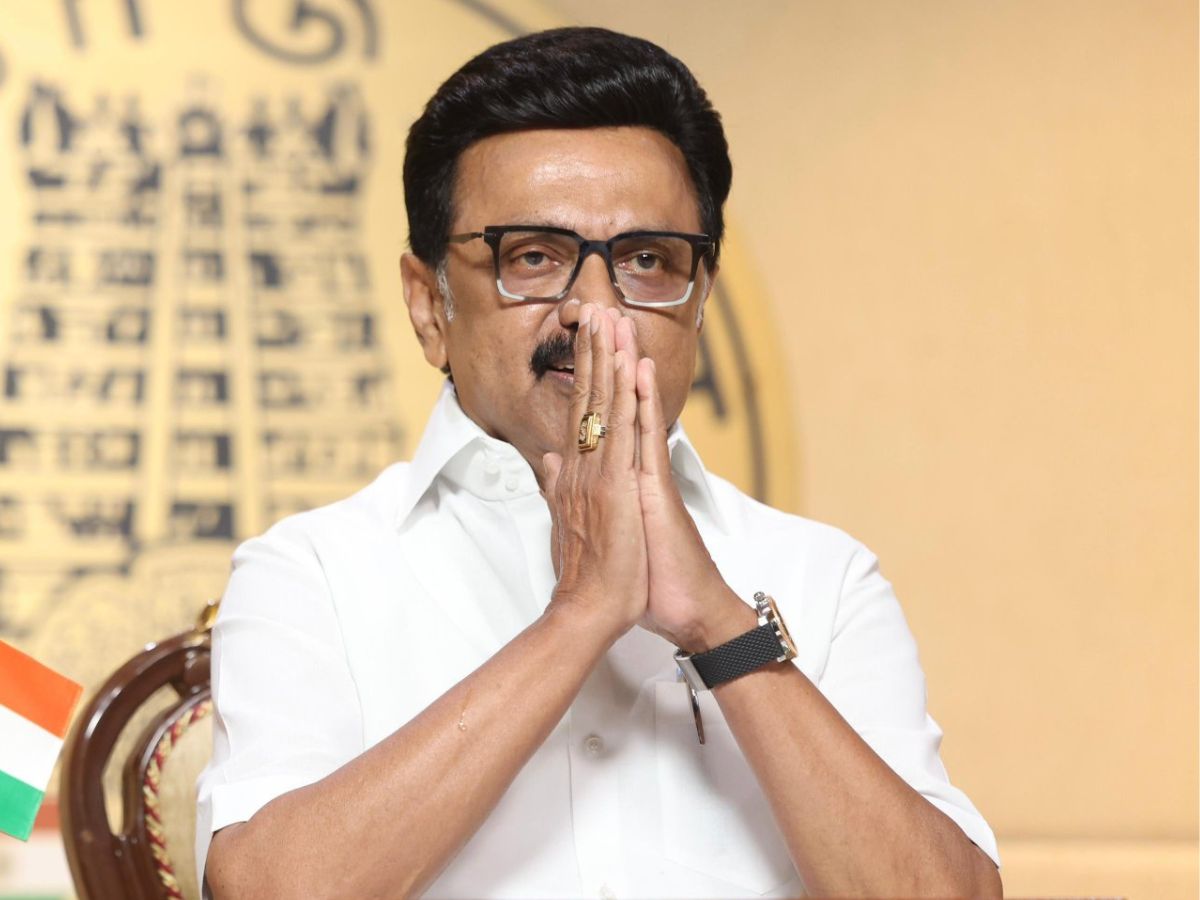
In a rare show of unity, 44 political parties led by Tamil Nadu Chief Minister M. K. Stalin met on Sunday and decided to move the Supreme Court against the Election Commission of India’s Special Intensive Revision (SIR) of the electoral roll, calling it “anti-democratic” and warning that it could disenfranchise voters ahead of the 2026 Assembly election.
The AIADMK and BJP were not invited, while Vijay’s TVK, PMK, and AMMK chose to skip the meeting.
The resolution adopted by the meeting urged the EC to halt the revision until the Supreme Court rules on a similar case in Bihar, accusing the Commission of acting like a “puppet of the BJP-led Centre.”
The DMK and allies argued that the exercise, scheduled between November 4 and December 4, coincides with the North-East monsoon, making voter verification difficult in rural areas. The resolution warned that the SIR could lead to the “mass removal of genuine voters.”
Actor Vijay’s Tamilaga Vettri Kazhagam (TVK) later issued a statement backing the legal challenge but accused the DMK of “political hypocrisy.”
TVK noted that it was the first to oppose the SIR when it was launched in Bihar, alleging that “lakhs of voters, especially minorities, were deleted.”
It also questioned why the DMK government had not passed a formal Assembly resolution, as Kerala has done.
Both the DMK and TVK demanded that the existing revision mechanism—which allows corrections, new additions, and deletions through standard forms—continue instead of the SIR, which they fear could be misused for targeted voter deletions.