
T20 World Cup 2026 Venue Row: ICC Rejects Bangladesh’s Demand to Shift Matches Out of India
What happened: The International Cricket Council (ICC) has rejected Bangladesh’s request to move its T20 World Cup 2026 matches out of India. Why it matters...
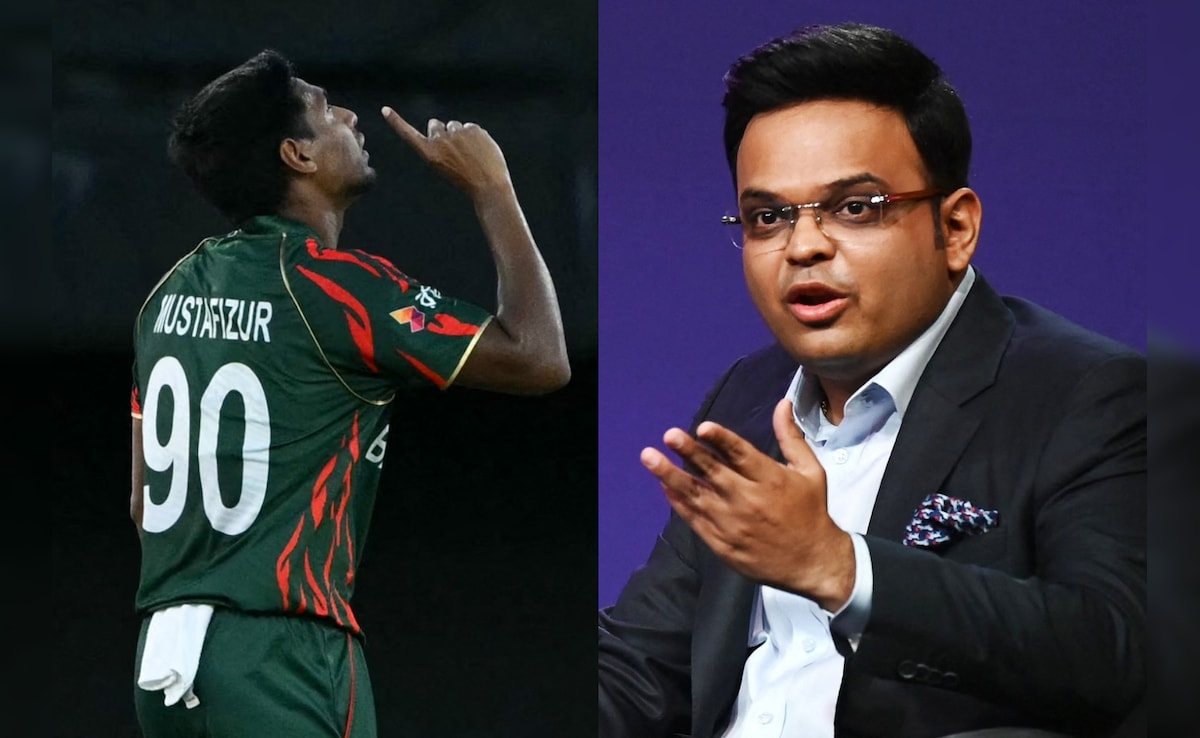
What happened: The International Cricket Council (ICC) has rejected Bangladesh’s request to move its T20 World Cup 2026 matches out of India.
Why it matters now: The decision comes amid rising tensions following the Mustafizur Rahman-IPL controversy, adding a diplomatic edge to cricket governance.
What changes for people: No change in venues. Bangladesh will play its scheduled World Cup fixtures in India as originally planned.
Who is affected: Bangladesh Cricket Board, players, broadcasters, fans, and tournament organisers across India and Sri Lanka.
The ICC, chaired by Jay Shah, has taken a firm stand by turning down a venue change request from the Bangladesh Cricket Board (BCB), reaffirming that the T20 World Cup 2026 schedule will remain intact. According to confirmed NDTV sources, the global body found no grounds to alter venues on security or logistical grounds.
Why Bangladesh Wanted a Venue Shift
The BCB’s demand followed a flashpoint involving pacers Mustafizur Rahman and his abrupt release from the Kolkata Knight Riders (KKR) squad during the IPL 2026 season. In response, Bangladesh reportedly halted IPL telecasts domestically and approached the ICC seeking to relocate its World Cup matches to Sri Lanka, citing security concerns.
However, ICC officials assessed the request and concluded that India’s security framework for the tournament meets all international standards, according to people familiar with the decision-making process.
ICC’s Position: No Exceptional Circumstances
Sources indicated that the ICC was clear that venue changes cannot be driven by bilateral disputes or league-level disagreements. The governing body underlined that any alteration to a World Cup schedule requires extraordinary and verifiable risks, which were not established in this case.
The ICC’s rejection effectively closes the door on any last-minute venue reshuffle.
Tournament Structure Remains Unchanged
The T20 World Cup 2026 is scheduled to be held across India and Sri Lanka from February 7 to March 8, 2026. India is hosting the bulk of the matches, with Sri Lanka serving as the co-host for select fixtures.
Event planners and security agencies have already completed multi-layered safety assessments, particularly for teams travelling across regions. Officials stressed that player safety, fan security, and operational stability remain the top priorities.
Wider Impact on Cricket Governance
Experts see the ICC’s decision as a signal of institutional consistency. Allowing venue changes under political or commercial pressure could set a risky precedent, potentially destabilising future global tournaments.
For broadcasters, sponsors, and fans, the ruling ensures certainty and continuity, avoiding disruptions to travel plans, ticketing, and broadcast schedules.
Bangladesh’s Next Move Unclear
The BCB has not issued a detailed public response following the ICC’s decision. It remains uncertain whether Bangladesh will pursue further diplomatic channels or focus on preparations for the tournament under the existing framework.
Cricket analysts note that prolonged friction could impact regional cooperation within the sport, particularly in South Asia, where bilateral ties often intersect with cricketing calendars.