
Syria Set for First Parliamentary Elections Since Assad’s Fall Amid Concerns Over Inclusivity
Syria is scheduled to hold its first parliamentary elections since the fall of Bashar al-Assad on Sunday, amid concerns about inclusivity, transparency, and executive influence...
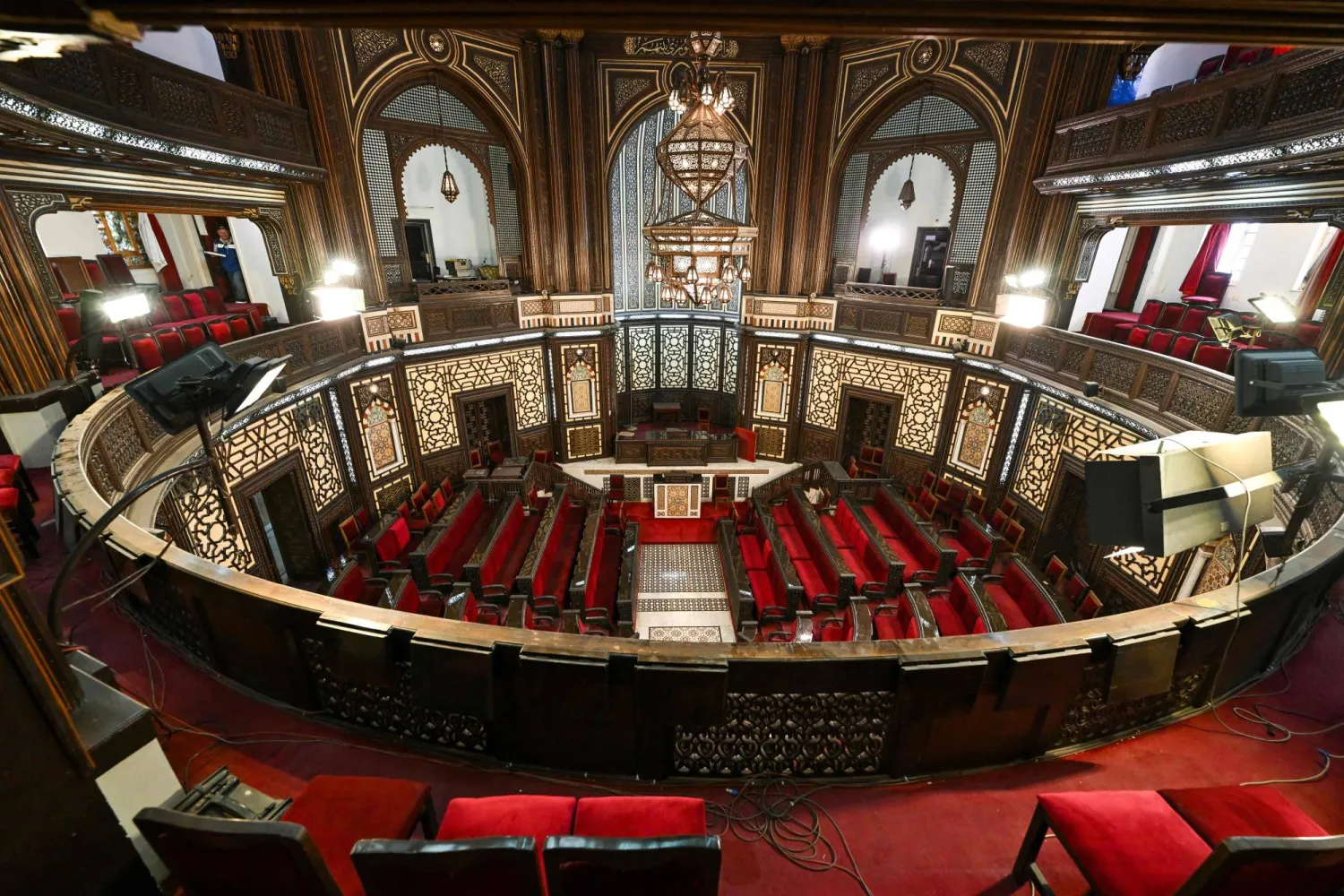
Syria is scheduled to hold its first parliamentary elections since the fall of Bashar al-Assad on Sunday, amid concerns about inclusivity, transparency, and executive influence over the process.
The elections will not feature a direct vote. Instead, representatives for two-thirds of the 210 seats in the People’s Assembly will be chosen by electoral colleges, while Interim President Ahmed al-Sharaa will appoint the remaining one-third.
Sharaa came to power 10 months ago after ousting Assad, following a 13-year civil war that killed over 600,000 people and displaced around 12 million. In his recent address to the UN General Assembly, Sharaa pledged to hold accountable those responsible for past atrocities and to rebuild Syria with institutions and laws protecting the rights of all citizens.
Security concerns have led to postponements in three provinces—Raqqa, Hassakeh, and Suweida—meaning electoral colleges in 50 of 60 districts will elect representatives for about 120 seats on Sunday. The number of seats per district is based on 2010 census data, before the civil war began.
More than 1,500 candidates, all electoral college members, are competing. Individuals associated with the former regime, terrorist organizations, or separatist agendas are barred from participation. While at least 20% of electoral college members are women, there are no quotas for female lawmakers or ethnic and religious minorities.
The president will select representatives for the remaining 70 seats, a move that civil society groups warn could undermine the assembly’s independence. Last month, 14 Syrian organizations stated that the structure made the parliament “susceptible to power balances not reflecting the voters’ will” and called the elections “symbolic at best.”
Observers note that the elections, intended to mark a transition toward representative governance, may instead reflect continuing executive control, raising questions about Syria’s democratic trajectory.