
Supreme Court to rule today on bail for Umar Khalid, Sharjeel Imam in Delhi riots case
The Supreme Court will deliver its verdict today on bail pleas of Umar Khalid, Sharjeel Imam and five other accused in the 2020 Delhi riots...
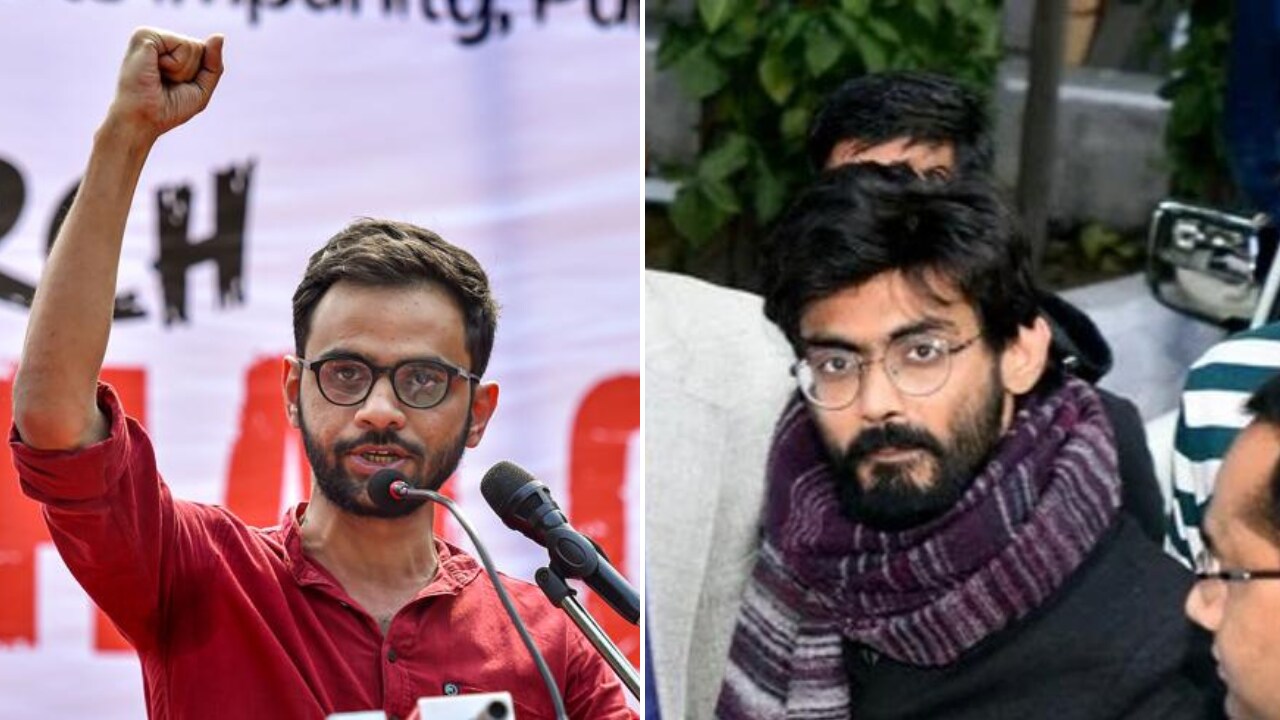
The Supreme Court will deliver its verdict today on bail pleas of Umar Khalid, Sharjeel Imam and five other accused in the 2020 Delhi riots larger conspiracy case.
All accused have been in jail for over five years, raising serious questions on prolonged incarceration without trial.
The decision could redefine bail standards under stringent anti-terror laws, with wide legal and political implications.
Families, civil rights groups and legal experts are closely watching, as the ruling may impact similar pending cases.
The Supreme Court of India is set to pronounce a closely watched verdict on Monday, January 5, on bail applications filed by jailed student activists Umar Khalid and Sharjeel Imam, along with five others, in the alleged “larger conspiracy” case linked to the 2020 Delhi riots.
The ruling will determine whether the accused, who have spent more than five years in prison, will finally be released on bail or remain behind bars as the trial continues.
Why this verdict matters now
The case has become a focal point in the debate over extended pre-trial detention, especially under stringent laws such as the Unlawful Activities Prevention Act (UAPA). The accused have repeatedly argued that lengthy incarceration without conviction violates fundamental rights, while investigating agencies have maintained that the allegations involve serious threats to public order.
Legal experts say the verdict could shape future bail jurisprudence, particularly in cases involving national security laws.