
Supreme Court to Hear CBI Challenge to Suspension of Kuldeep Sengar’s Life Sentence on December 29
The Supreme Court is set to hear a plea filed by the Central Bureau of Investigation (CBI) on December 29, challenging the Delhi High Court’s...
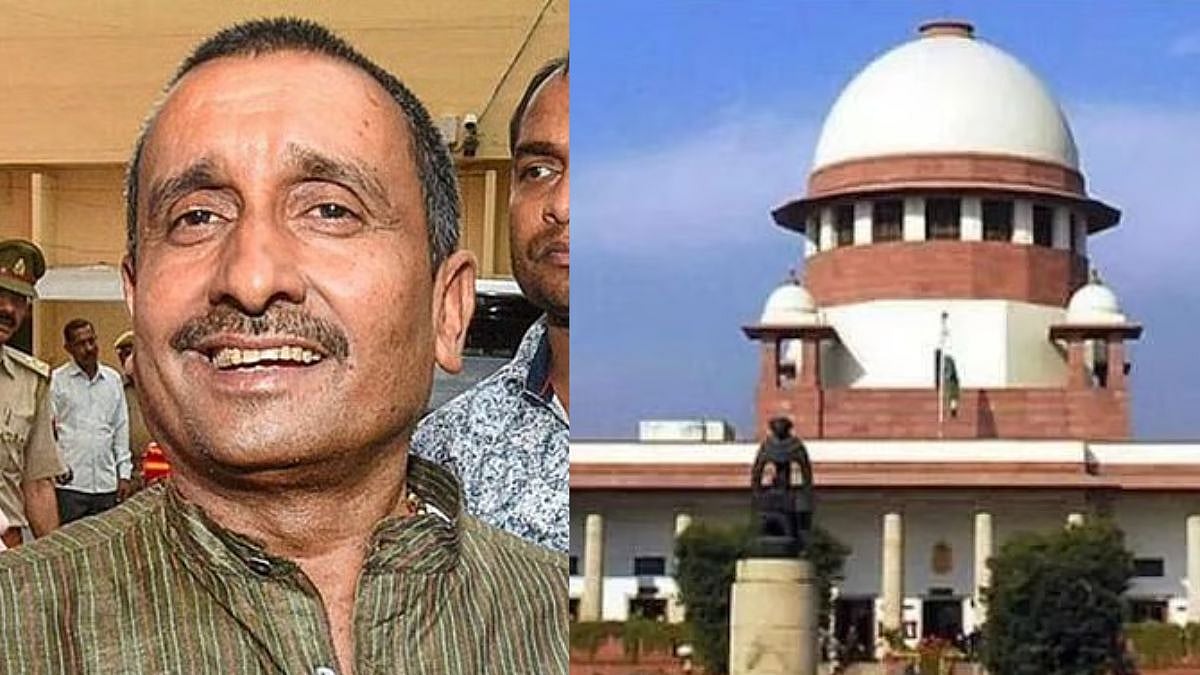
The Supreme Court is set to hear a plea filed by the Central Bureau of Investigation (CBI) on December 29, challenging the Delhi High Court’s decision to suspend the life sentence of former BJP MLA Kuldeep Singh Sengar in the 2017 Unnao rape case. The hearing is expected to be closely watched, given the case’s significance in India’s criminal justice and victims’ rights discourse.
According to the Supreme Court’s official cause list, the matter will be taken up by a Bench comprising Chief Justice Surya Kant and Justices J.K. Maheshwari and Augustine George Masih.
What Is Before the Supreme Court
In addition to the CBI’s plea, the apex court will also hear a separate petition filed by advocates Anjale Patel and Pooja Shilpkar, who have independently challenged the Delhi High Court’s order suspending Sengar’s sentence.
The High Court, on December 23, had suspended Sengar’s life imprisonment pending the disposal of his appeal against conviction. The court noted that he had already spent seven years and five months in custody, which it considered a relevant factor while granting interim relief.
The CBI moved the Supreme Court on December 26, arguing that suspending a life sentence in such a serious crime raises critical questions of law, public interest, and the rights and safety of the survivor.
Why Sengar Will Remain in Jail
Despite the suspension of his life sentence in the rape case, Kuldeep Sengar will not be released from prison. He is currently serving a separate 10-year sentence in the case related to the custodial death of the rape survivor’s father, who was arrested on controversial charges in 2018 and later died in custody.
Sengar has also challenged his conviction in the custodial death case, seeking suspension of that sentence as well. That appeal remains pending before the court.
Conditions Imposed by the Delhi High Court
While suspending the life sentence, the Delhi High Court imposed stringent conditions on Sengar, including:
-
Furnishing a personal bond of ₹15 lakh along with three sureties of the same amount
-
A strict prohibition on entering a 5-kilometre radius of the survivor’s residence in Delhi
-
A clear direction not to contact, threaten, or influence the survivor or her mother
The High Court warned that any violation of these conditions would result in immediate cancellation of the relief granted.
Background: The Unnao Case
The Unnao rape case shocked the country and became a symbol of alleged political influence and institutional failure. In August 2019, the Supreme Court transferred the rape case and related matters from Uttar Pradesh to Delhi, citing concerns over a fair trial and witness safety.
In December 2019, a Delhi trial court convicted Sengar of rape and sentenced him to life imprisonment. The same court later convicted him in the custodial death case of the survivor’s father.
Why the Hearing Matters
Legal experts say the Supreme Court’s decision will have broader implications for how courts balance personal liberty, time spent in custody, and the gravity of offences, especially in cases involving sexual violence and abuse of power.
The outcome may also influence future jurisprudence on the suspension of sentences in serious crimes while appeals are pending, particularly where public confidence in the justice system is at stake.
The Supreme Court’s ruling on December 29 is expected to clarify these legal principles while determining whether the Delhi High Court’s order can stand.